 Bity
Bity
The first time I made this chinese chicken soup I stood over the pot for the first twenty minutes convinced I had made a mistake. There is no water in it. None. A whole bird sits on a bed of cabbage, apples, and carrots, the lid goes on, and you leave it alone over a low flame.
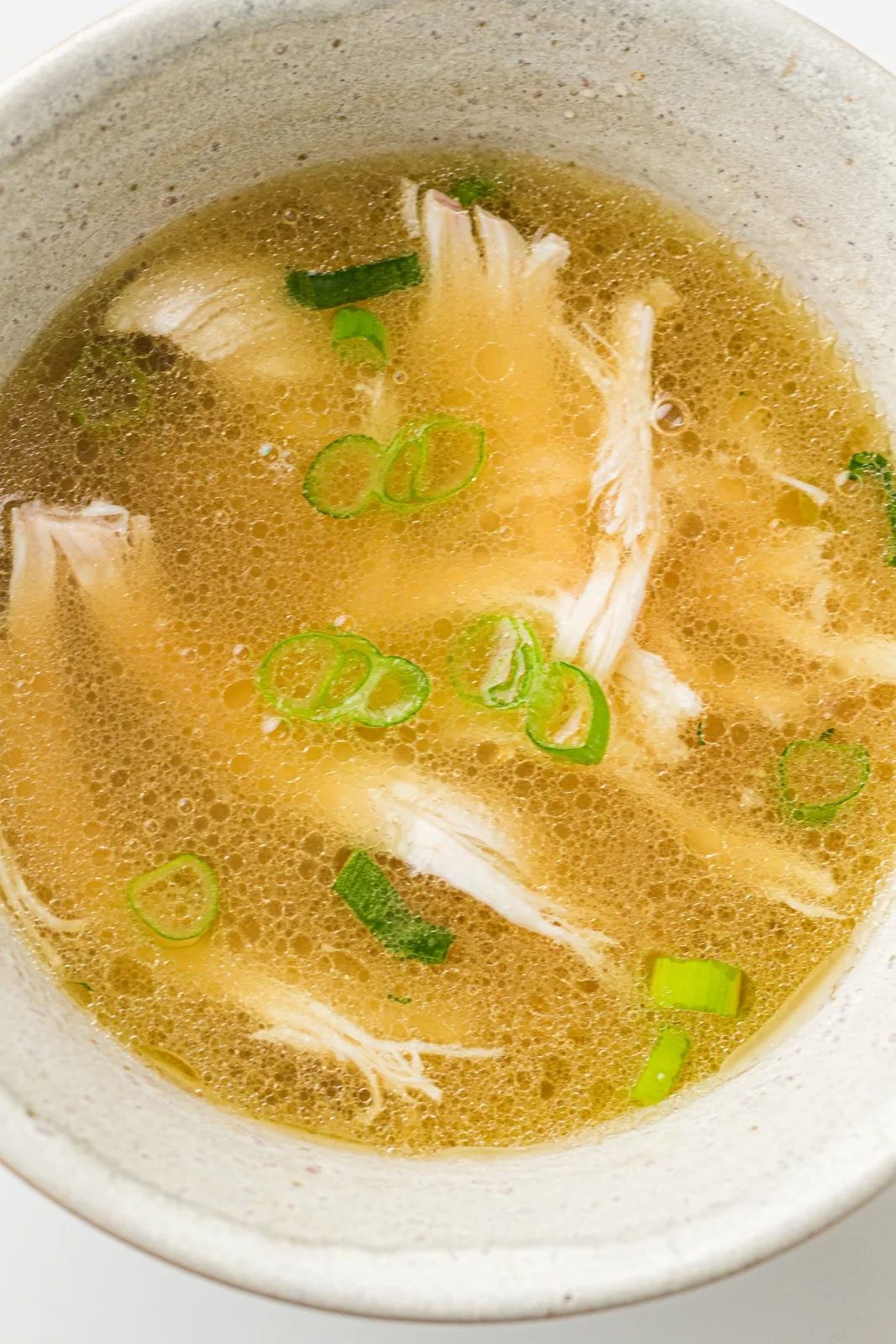
Two and a half hours later the pot is half full of golden, faintly sweet broth that the ingredients made themselves. My mother-in-law, who has opinions about soup, asked what stock I had used. There wasn’t one.
Quick Breakdown
Why You’ll Love This Chinese Chicken Soup
- Seven ingredients, no stock. The bird and the vegetables release everything the bowl needs.
- Nothing to watch. Because the lid stays on, there is no skimming, no topping up, and no stirring.
- The broth tastes concentrated. So there is none of the thin, watery quality you get from a pot you have diluted.
- Apples do something surprising. Meanwhile they break down completely and leave a gentle sweetness behind them.
- It feeds five, twice. In fact the shredded meat usually turns into a second dinner over rice.
Ingredient Notes
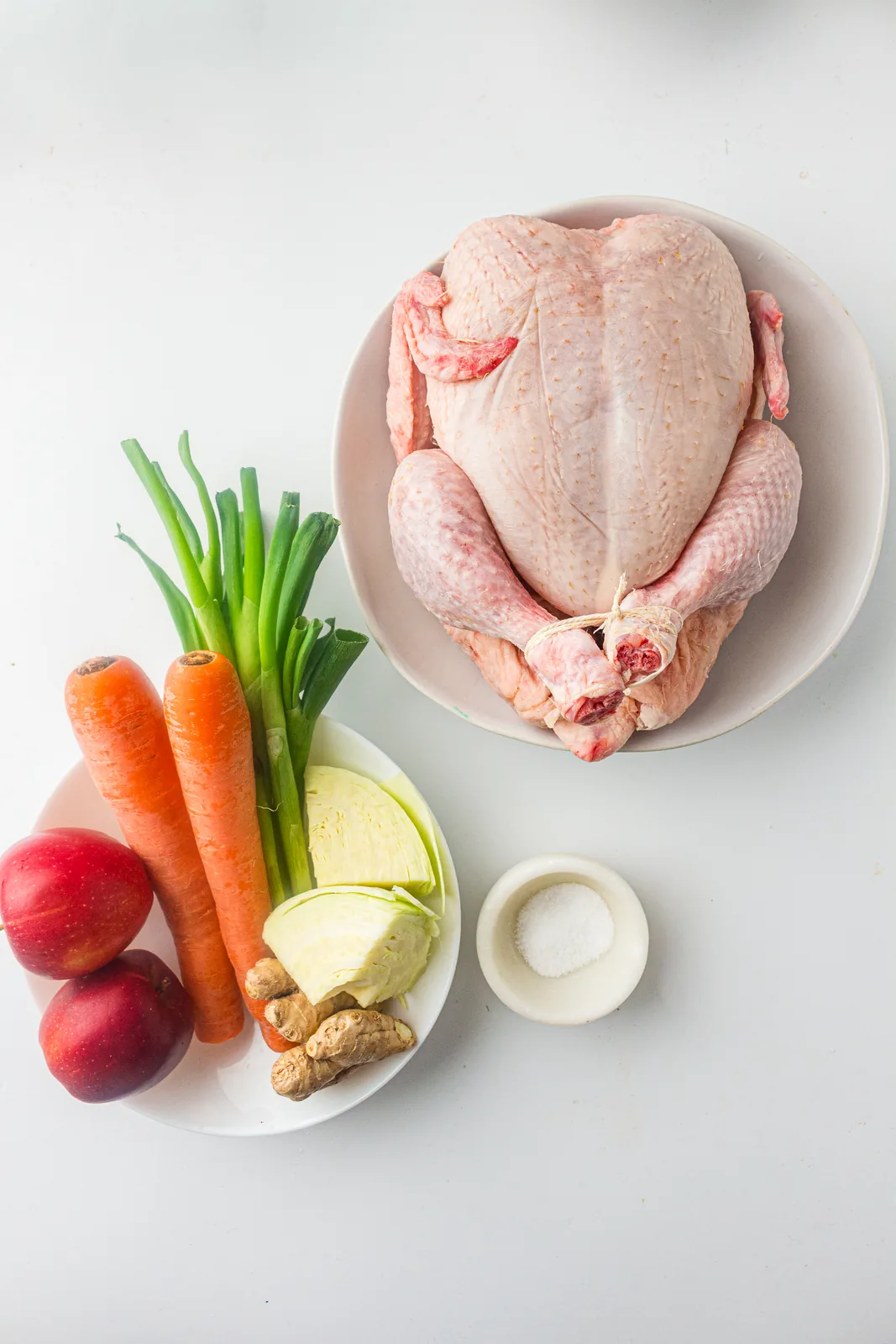
- A whole chicken, 3 to 4 lb. Bones and skin are not optional here, since they are where the body of the broth comes from.
- Napa cabbage. One small head, roughly chopped. Napa holds far more water than a firm green cabbage, and that water becomes your broth.
- Two apples. Any crisp eating apple. They collapse entirely and leave sweetness rather than apple flavour.
- Two carrots. Peeled and chopped. They sit at the bottom as the first layer, where they take the direct heat.
- Six scallions. Trimmed and halved. They go on top so they perfume the steam rather than boiling away.
- Fresh ginger. A thumb-sized piece, peeled and sliced. Ginger is doing real work here, and Cleveland Clinic sets out what the research supports.
- Salt. One to two teaspoons, sprinkled over everything before the lid goes on.
The No Water Method Behind This Chinese Chicken Soup
It sounds like a trick and it is simply physics. Cabbage is roughly 95 percent water, apples are around 85 percent, and a chicken is close to 65 percent. Heat them in a sealed pot and all of that has to go somewhere.
With a tight lid, the steam cannot escape. It condenses on the underside, runs back down, and collects at the bottom as broth that has never been diluted by a single drop from the tap. That is why this chinese chicken soup tastes so much stronger than a pot you filled with water.
The method is an old Cantonese one, sometimes sold as chicken essence, and it went round the internet again a few winters ago. It works with any heavy pot that seals well. A Dutch oven is ideal, and a heavy stockpot with a snug lid is fine.
Why Layer the Vegetables?
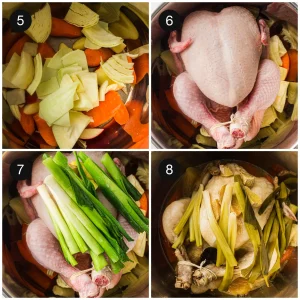
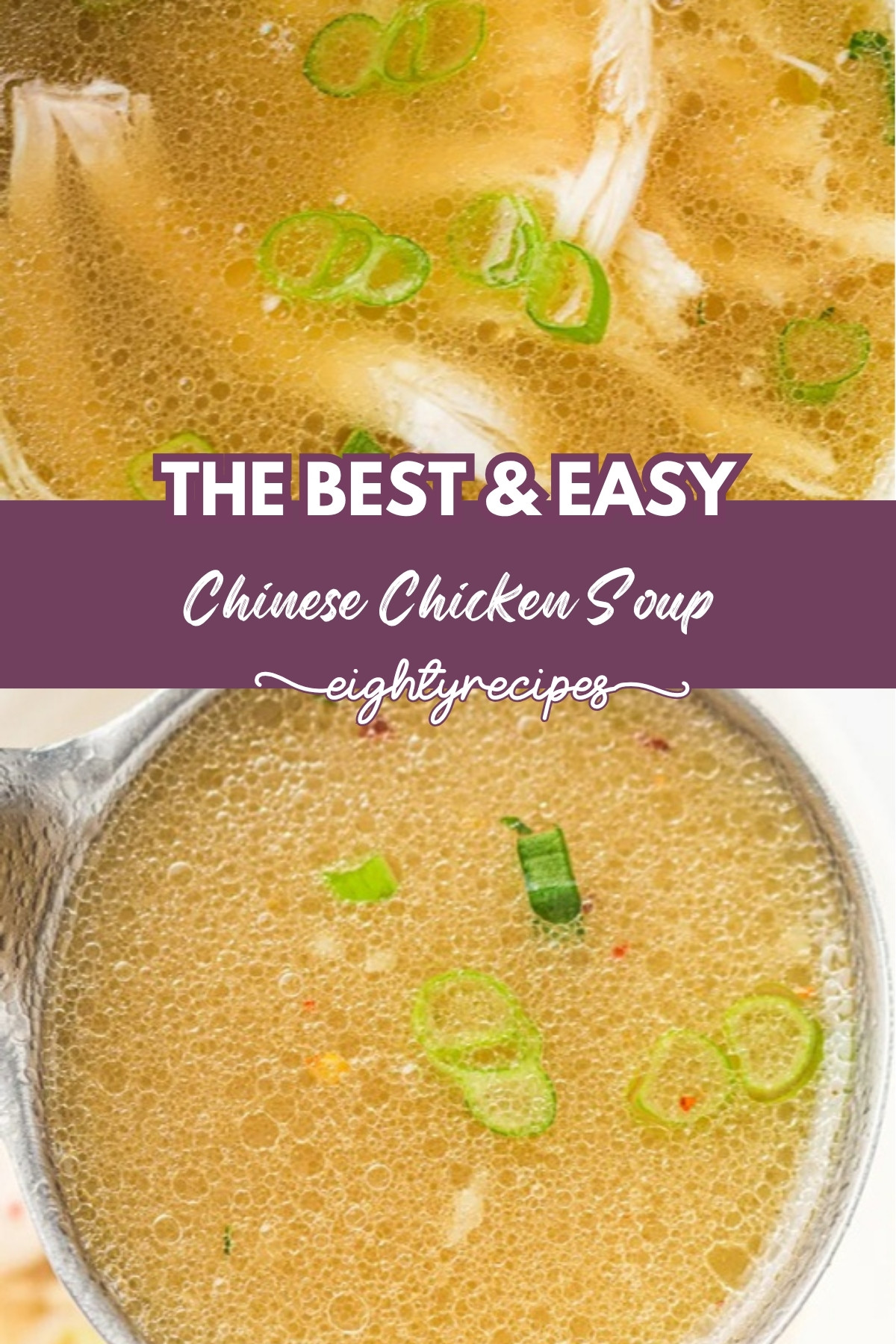
The order is not decorative. Carrots go in first because they are dense and can take the direct heat of the pot base without scorching. Apples follow, then the cabbage.
The cabbage layer is the important one. It sits directly under the bird and starts releasing liquid within the first fifteen minutes, which lifts the chicken clear of the hot metal. Without it, the skin sticks and catches before any broth has formed.
Ginger and scallions go on last, scattered over the top. That way they steam gently and drop their aromatics down through everything, instead of sitting in the base and turning bitter.
How To Make Chinese Chicken Soup
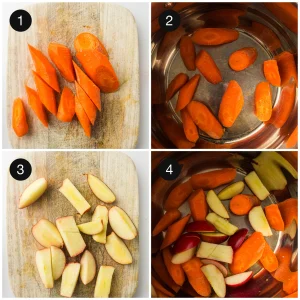
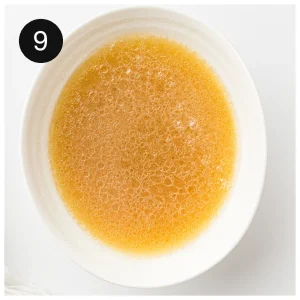
1. Prepare the vegetables. First peel and chop the carrots, cut the apples into chunks, roughly chop the cabbage, halve the scallions, and slice the ginger.
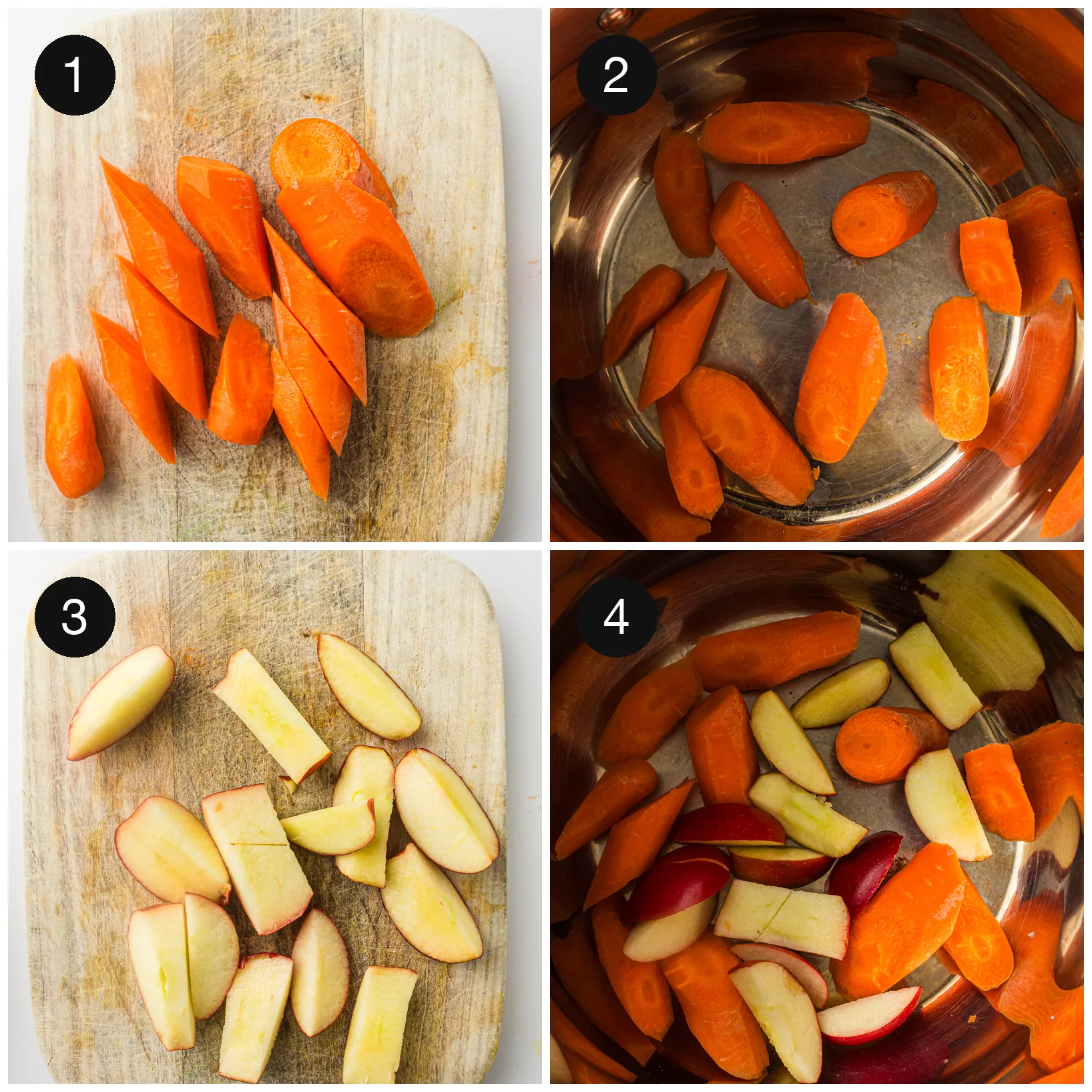
2. Build the base. Then add the carrots to a large heavy pot, followed by the apples, and finish with the chopped cabbage in a thick even layer.
3. Set the bird on top. Next lower the whole chicken onto the cabbage, breast side up. It should sit above the vegetables rather than touching the pot.
4. Scatter the aromatics. After that, tuck the sliced ginger and halved scallions over and around the bird, then sprinkle the salt evenly across everything.
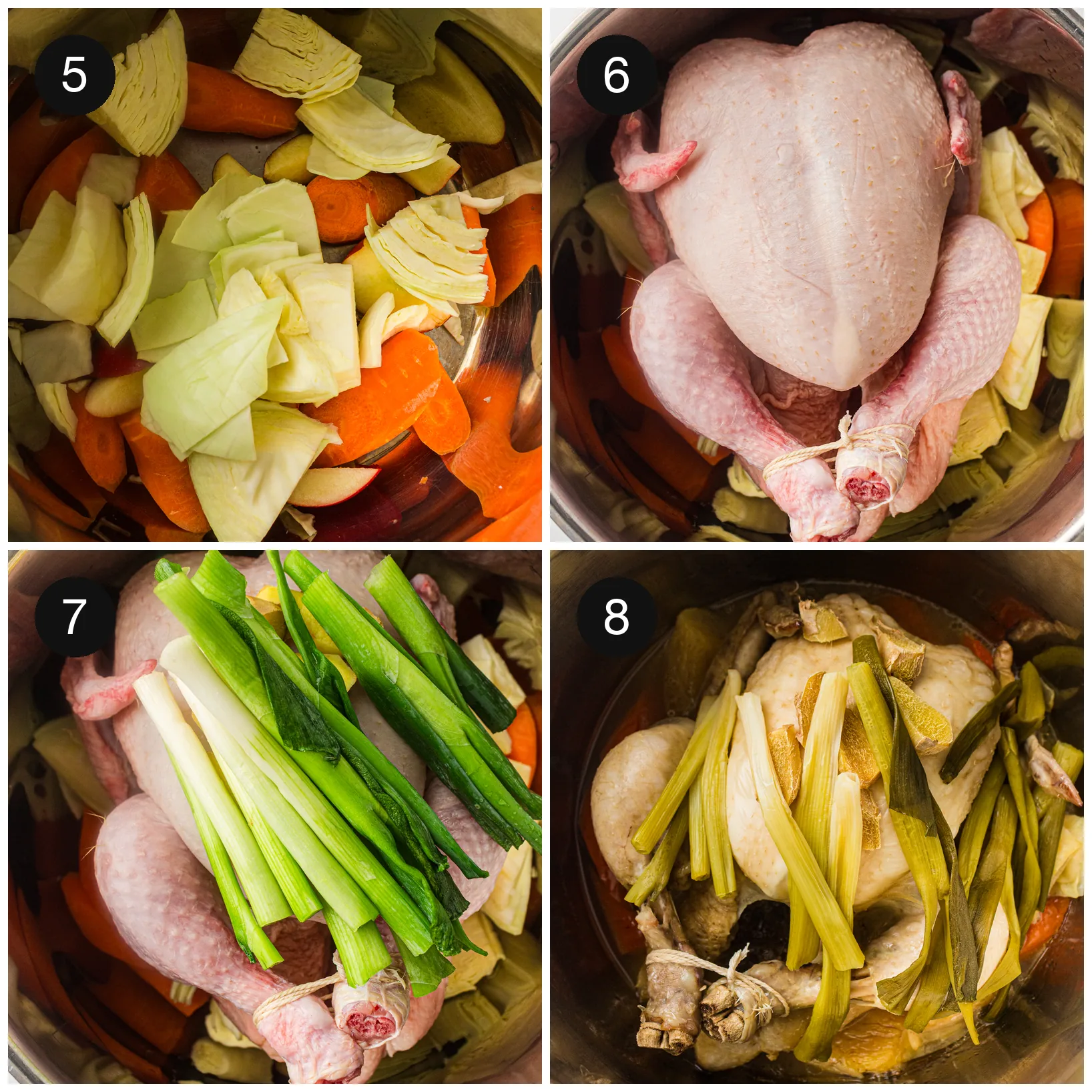
5. Cover and cook low. Put a tight lid on and cook over low heat for two to two and a half hours. Do not lift the lid, because every peek releases the steam you are trying to trap.
6. Check the pot. Then look after the first thirty minutes only if you are nervous. There should already be liquid pooling at the bottom.
7. Lift and shred. Take the chicken out and let it rest. Meanwhile lift out the spent vegetables, which have given up everything they had.
8. Taste and season. Finally stir the broth, taste it, and adjust the salt. Return as much shredded meat as you want and serve it hot.
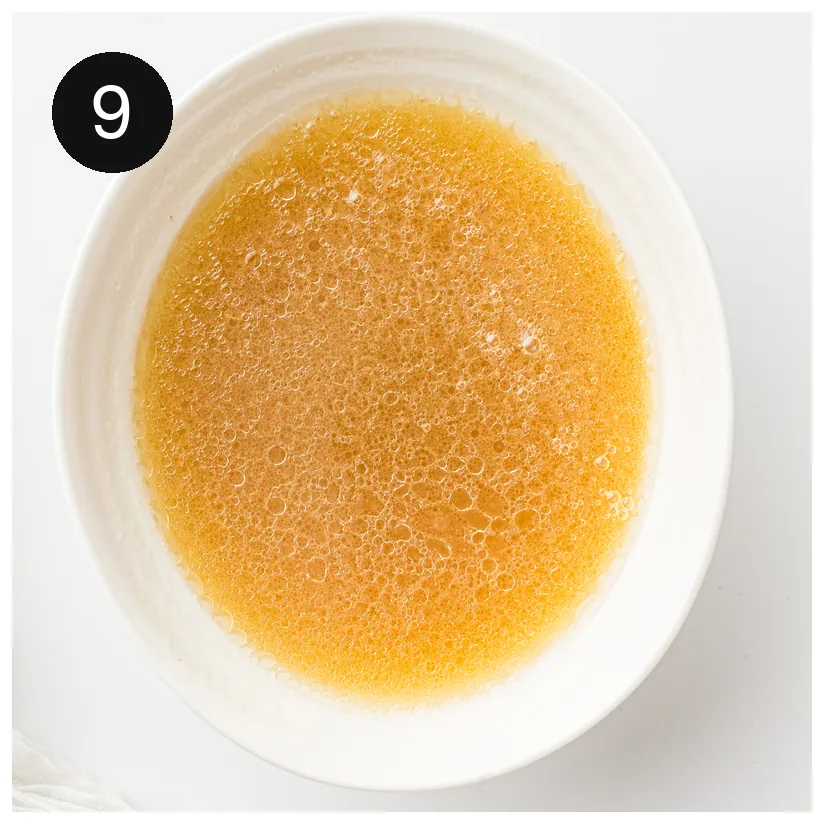
For a clear bowl, pour the broth through a fine mesh strainer once the vegetables are out, to catch the stray bits of cabbage and ginger.
Why Is There Not Enough Broth?
- The lid does not seal. This is the usual culprit. A loose lid lets the steam leave the pot instead of condensing back into it.
- Not enough cabbage. Cabbage is the main water source. A small head is a minimum, not a suggestion.
- The heat was too high. A hard boil drives moisture out past the lid. Low and slow is the whole point.
- You kept checking. Because each lift releases a cloud of steam, three or four peeks cost you a real amount of liquid.
- Firm cabbage instead of napa. A dense green cabbage holds less water and releases it more slowly.
Tips for the Best Chinese Chicken Soup
- Use the heaviest pot you own. Thin pans scorch the carrots before the cabbage has released anything.
- Pat the bird dry first. Of course it makes little difference to the broth, but the skin behaves better.
- Do not salt heavily at the start. The liquid concentrates as it cooks, so season properly at the end.
- Skim the fat if you like a cleaner bowl. Chilling the broth makes it lift off in one sheet.
- Keep the cooked cabbage if you like it. It is soft and sweet, and it is good over rice.
Storage and Reheating
- Fridge. Keep the chinese chicken soup for up to three days in an airtight container. Store the shredded meat separately so it does not dry out.
- Freezer. Two months. The broth freezes better than the meat, so portion them apart if you can.
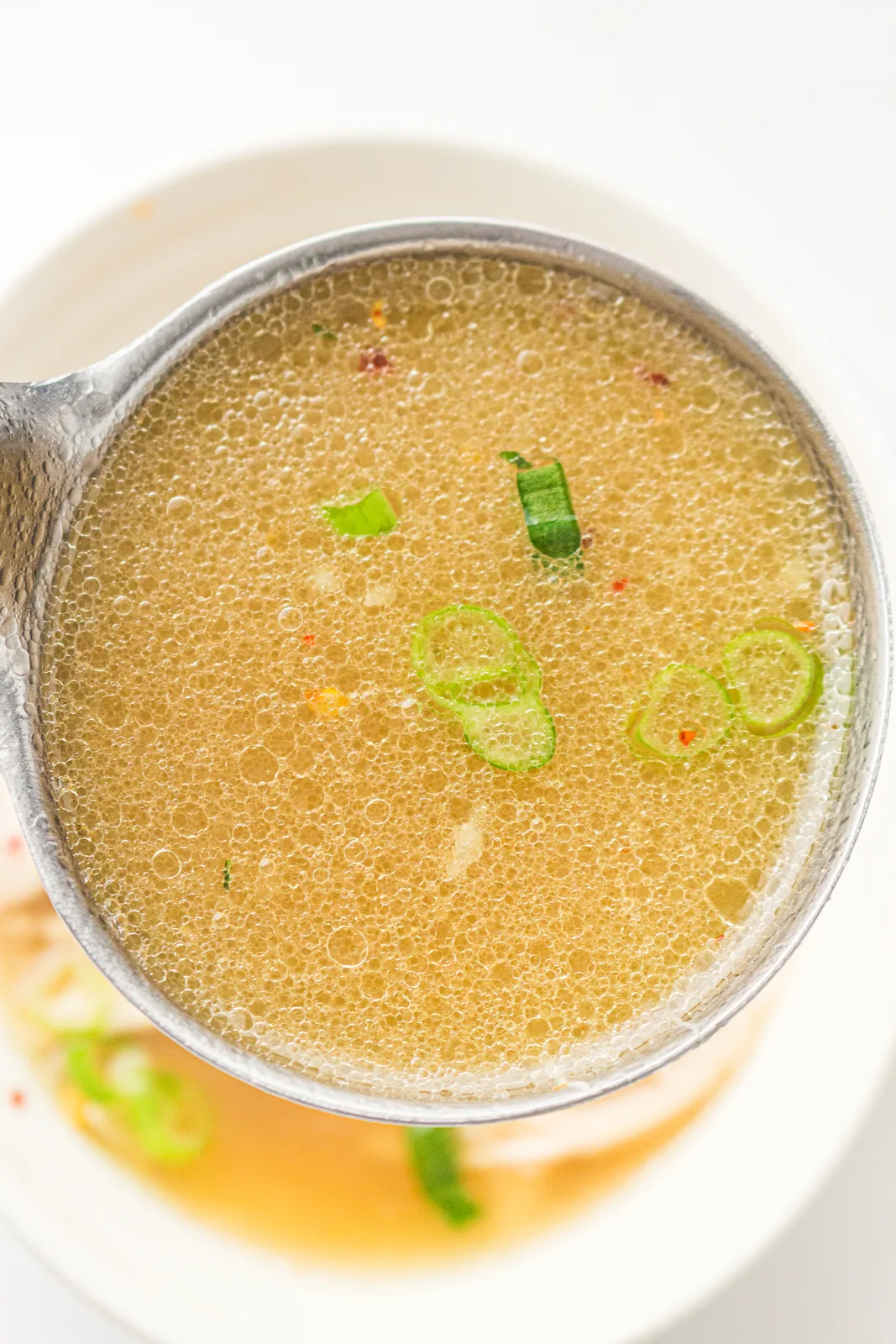
- Reheating. Warm gently on the hob and add a splash of water if it has thickened in the fridge. As a result the flavour stays balanced rather than salty.
Variations and Substitutions
- Goji berries and red dates. A small handful of each, added with the aromatics, is the traditional finishing touch.
- Chicken pieces. Legs and thighs work if a whole bird will not fit. Keep the bones in, since that is where the body comes from.
- Slow cooker. The same layering works on LOW for six hours. My slow cooker whole chicken uses exactly this no liquid principle.
- Ginger scallion sauce. Pour hot oil over minced ginger and scallion, add salt and sesame oil, then spoon it over the meat.
- A cold weather bowl. If you are feeding someone under the weather, Cleveland Clinic has a sensible list of foods worth leaning on.
What to Serve With It
Chinese chicken soup is nearly always served with rice, and a bowl of plain instant pot white rice is the traditional partner, either alongside or spooned straight into the broth. Noodles work too, cooked separately so they do not cloud the bowl.
The carcass still has plenty left in it, so it goes into the pressure cooker for instant pot chicken stock the same evening. For a different kind of comfort on another night, my instant pot chicken noodle soup takes four minutes at pressure.
Frequently Asked Questions
The No Water Method
Do I really need no water at all?
None. A chinese chicken soup made this way gets all its liquid from the cabbage, apples, carrots, and bird. If your lid seals badly, half a cup at the start is reasonable insurance.
Why layer the vegetables in that order?
Carrots take the direct heat, apples sit above them, and cabbage lifts the bird clear of the base while releasing the most water.
Can I use a slow cooker?
Yes. Layer it the same way and cook on LOW for about six hours. The sealed lid does the same job as a Dutch oven.
Can I add other vegetables?
You can, though simple is better. Onion, daikon, or corn all suit it. Anything strongly flavoured will take over the broth.
Serving and Storage
Should I eat the cooked vegetables?
That is up to you. They have given most of their flavour to the broth, but the cabbage and carrots are still soft, sweet, and perfectly good over rice.
Is chinese chicken soup the same as chicken essence?
They are related. Traditional chicken essence is steamed rather than simmered and is far more concentrated, though both rely on cooking without added water.
How long does it keep?
Three days in the fridge and two months in the freezer. Keep the meat and broth in separate containers for the best texture.
Ingredients
- 1 whole chicken about 3 to 4 lb, cleaned
- 2 apples cut into chunks
- 2 carrots peeled and chopped
- 1 small napa cabbage roughly chopped
- 6 scallions trimmed and halved
- 1 piece fresh ginger thumb-sized, peeled and sliced
- 1 to 2 teaspoons salt
Instructions
- Peel and chop the carrots, cut the apples into chunks, roughly chop the cabbage, halve the scallions and slice the ginger.

- In a large heavy pot or Dutch oven, add the chopped carrots first, followed by the apples, then the cabbage.
- Place the whole chicken on top of the vegetables, breast side up.
- Scatter the sliced ginger and scallions over the chicken.
- Sprinkle the salt evenly over everything.
- Cover with a tight-fitting lid.
- Cook over low heat for 2 to 2 1/2 hours without adding any water.
- As it cooks, the chicken will release its own juices and create a natural broth.
- Once done, lift out the vegetables and discard them, or keep them if you like. Remove the chicken and shred if desired.
- Stir the broth, taste, and adjust the salt if needed before serving.