 Bity
Bity
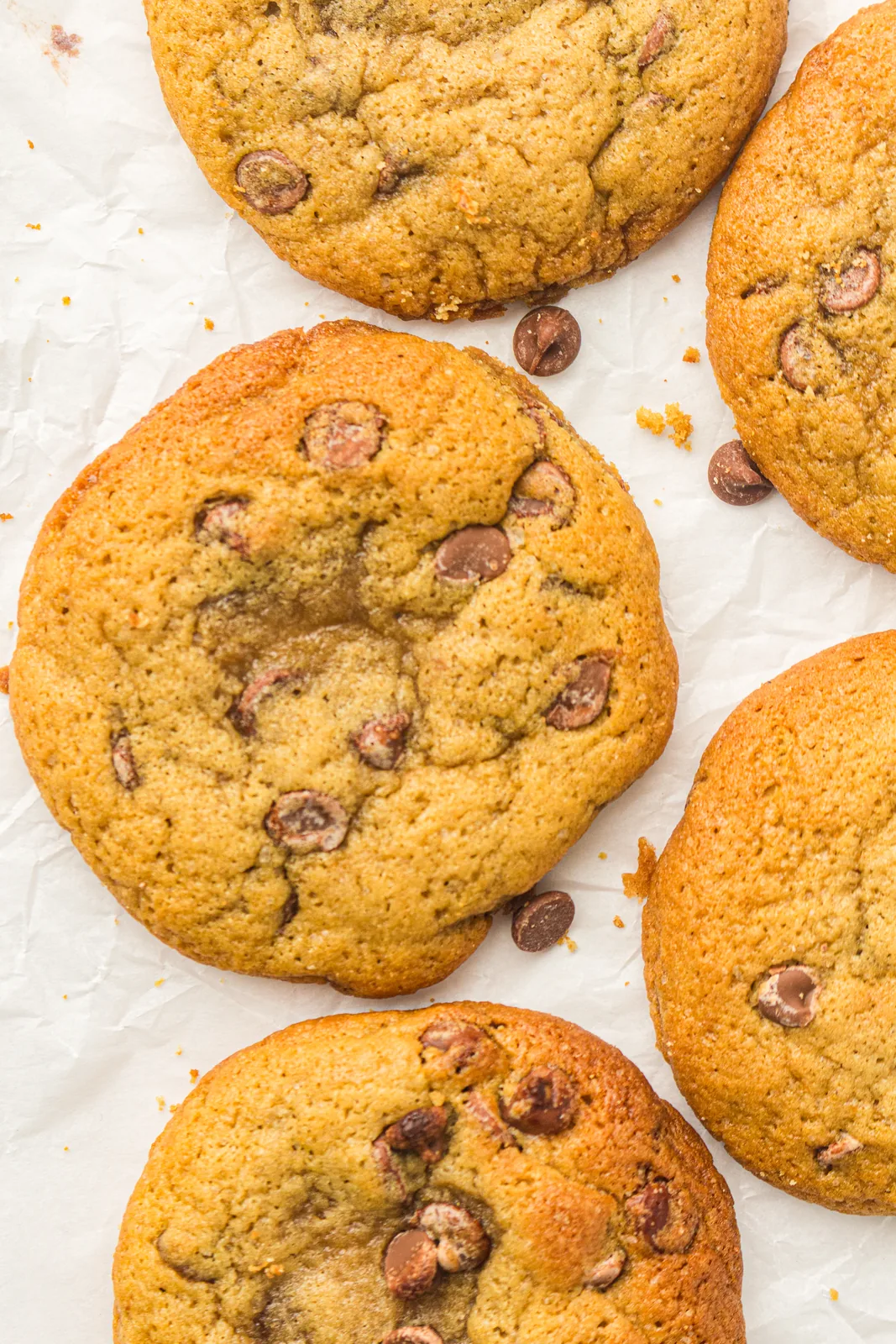
These sourdough discard cookies started as a way to stop pouring half a jar of starter down the sink every week. What I did not expect was that they would become the chocolate chip cookie I actually prefer, thicker in the middle and with a faint sour edge that stops them tasting like pure sugar.
Sourdough discard cookies work for two reasons that have nothing to do with thrift. The acidity tenderises the flour, and the extra hydration means the dough spreads less and stays chewy in the centre. You get a bakery style cookie without doing anything clever.

Quick Breakdown
Why You’ll Love These Sourdough Discard Cookies
- They use up half a cup of discard. Straight from the fridge, unfed, no waiting around.
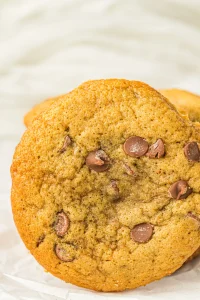
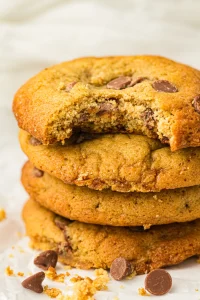
- Thick and chewy, not flat. Because the dough is chilled and scooped tall, the centres stay soft while the edges crisp.
- Sixteen big cookies. In fact, they are properly generous at three tablespoons of dough each.
- The flavour is better on day two. The tang settles and the chocolate mellows.
- The dough freezes raw. Meanwhile you can bake two at a time whenever you want them.
Ingredient Notes
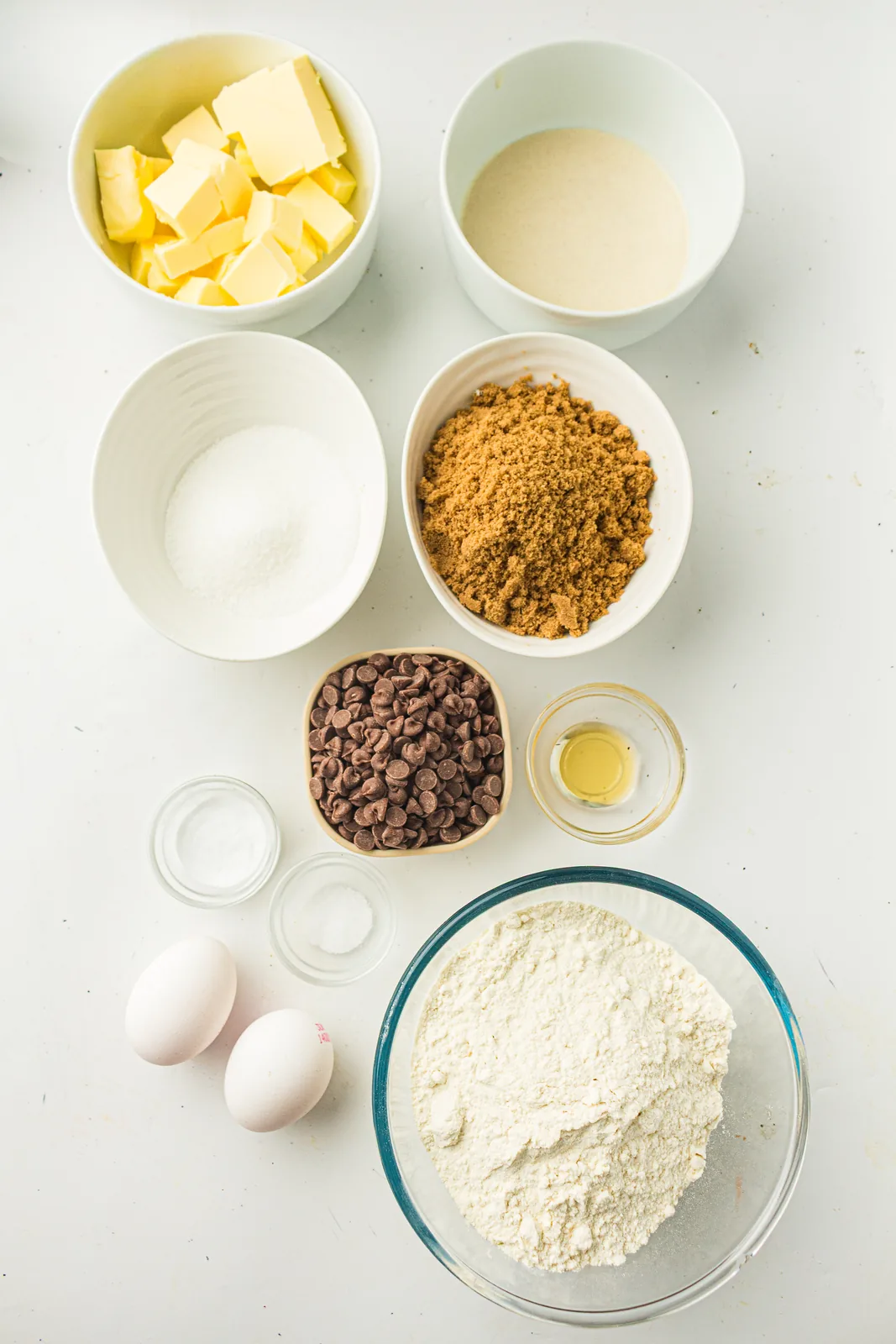
- Sourdough discard. Half a cup, unfed and at room temperature. Cold discard straight from the fridge seizes the butter, so give it twenty minutes on the counter first.
- Butter. One cup, softened but not melted. This matters more than any other detail here, because melted butter is the fastest route to flat cookies.
- Both sugars. A cup of light brown for chew and moisture, half a cup of granulated for crisp edges. The ratio is doing real work.
- Two large eggs. Added one at a time so the mixture stays emulsified rather than splitting.
- Plain flour. Two and three quarter cups. However, weigh it if you can, since a scooped cup can add fifty grams without you noticing.
- Chocolate chips. A cup and a half of semi sweet. Dark chunks work too, and Harvard’s Nutrition Source has an honest look at what dark chocolate does and does not do.
What Sourdough Discard Actually Does in Cookies
People assume it is only about waste reduction, and it is not. Discard is roughly equal parts flour and water, so it changes the dough in three measurable ways.
First, it adds hydration without adding another egg, which is why the centres stay soft. Second, it is acidic, and acid weakens gluten strands so the crumb is tender rather than bready. Third, it brings a faint lactic tang that cuts the sweetness, which is the reason these do not taste sickly on the third cookie.
What it does not do is make them rise. There is no meaningful leavening left in unfed discard, so the baking soda is still pulling its weight.
Why the Dough Has To Be Chilled
Chilling is not an optional refinement for sourdough discard cookies, it is the whole difference between a thick cookie and a puddle. Solid butter takes longer to melt in the oven, so the cookie sets around the edges before it can spread.
An hour is the minimum. Two to three hours gives you noticeably taller cookies, and overnight is better still, because the flour has time to hydrate fully and the flavour deepens.
Scoop the dough into balls before chilling if you have room. Then keep them tall and rounded rather than pressing them flat, since height going in means height coming out.
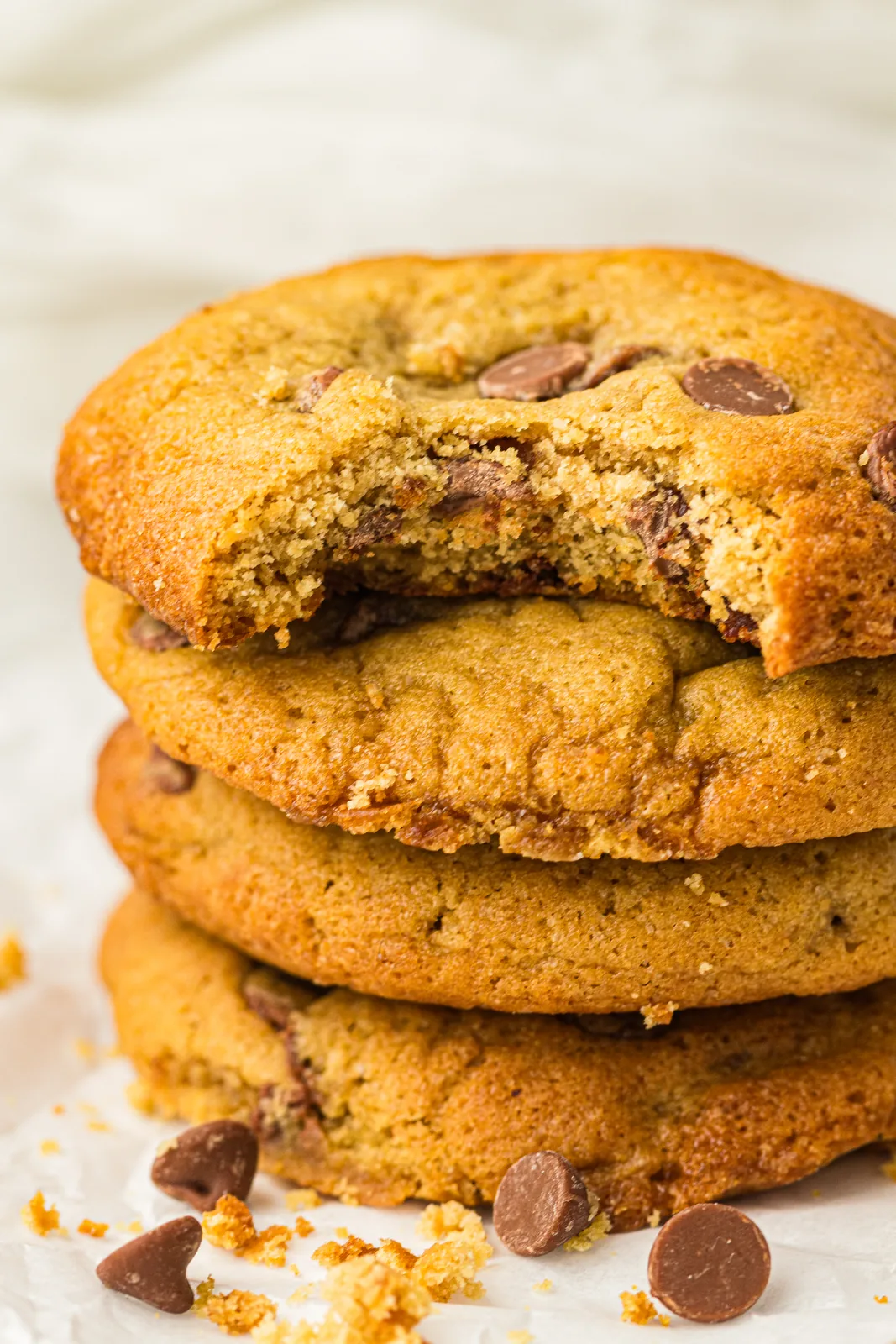
A large cookie scoop makes the tall, even dough balls much easier, and a scoop filled just short of the top lands close to three tablespoons.
How To Make Sourdough Discard Cookies
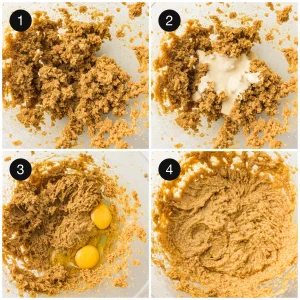
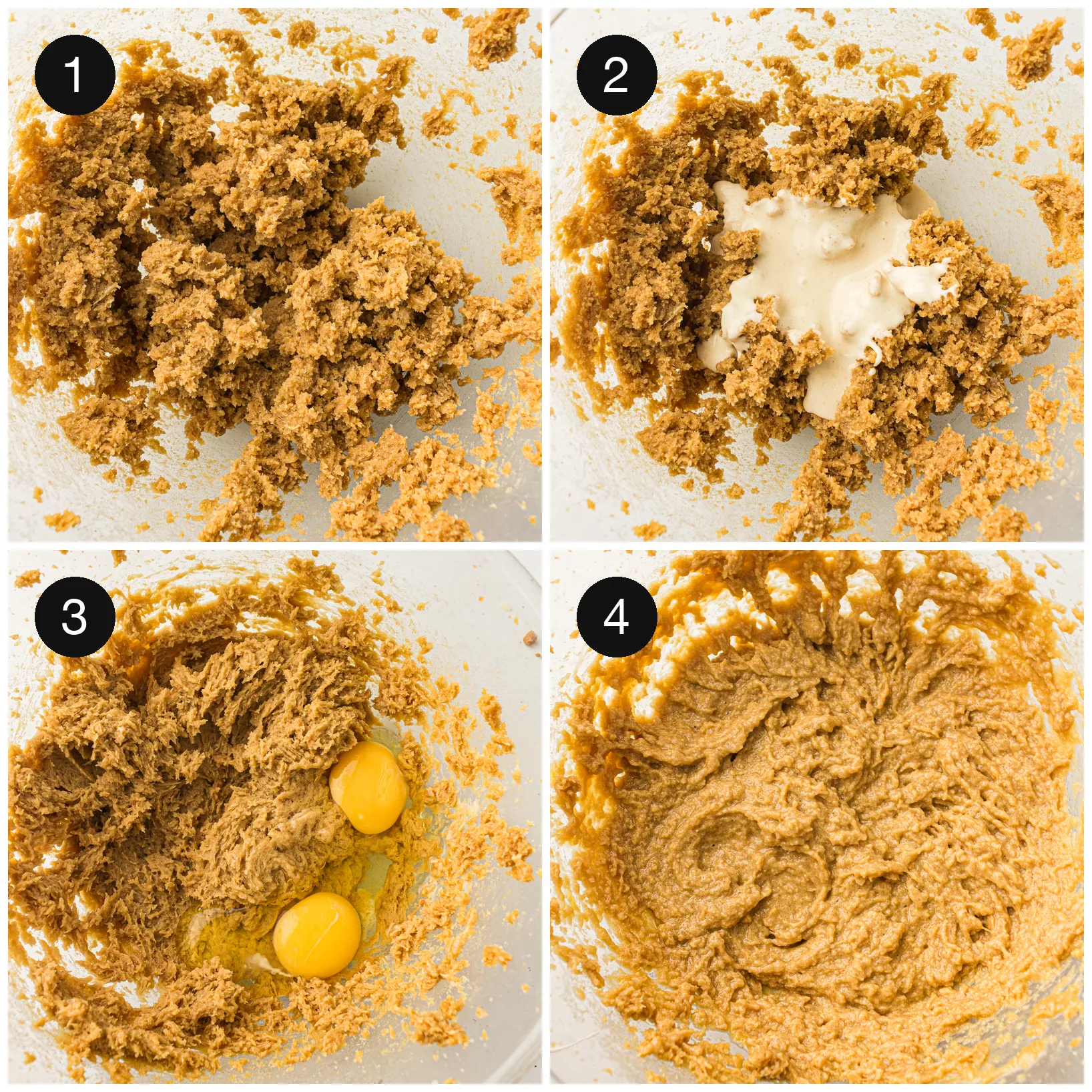
1. Cream the butter and sugars. First beat the softened butter with the brown and granulated sugars for 2 to 3 minutes, until pale and fluffy.
2. Add the discard. Next mix in the sourdough discard until it is fully incorporated and the mixture looks smooth again.
3. Eggs, then vanilla. Then add the eggs one at a time, beating well after each, and stir in the vanilla. It should look thick and creamy.
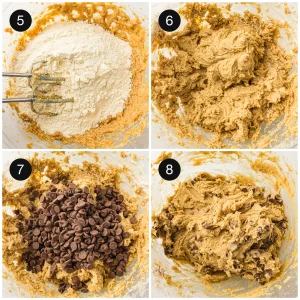
4. Combine the dry. After that whisk the flour, baking soda and salt together in a separate bowl and mix them in gradually, stopping the moment it comes together.
5. Fold in the chocolate. Meanwhile fold the chocolate chips through by hand so you do not overwork the dough.
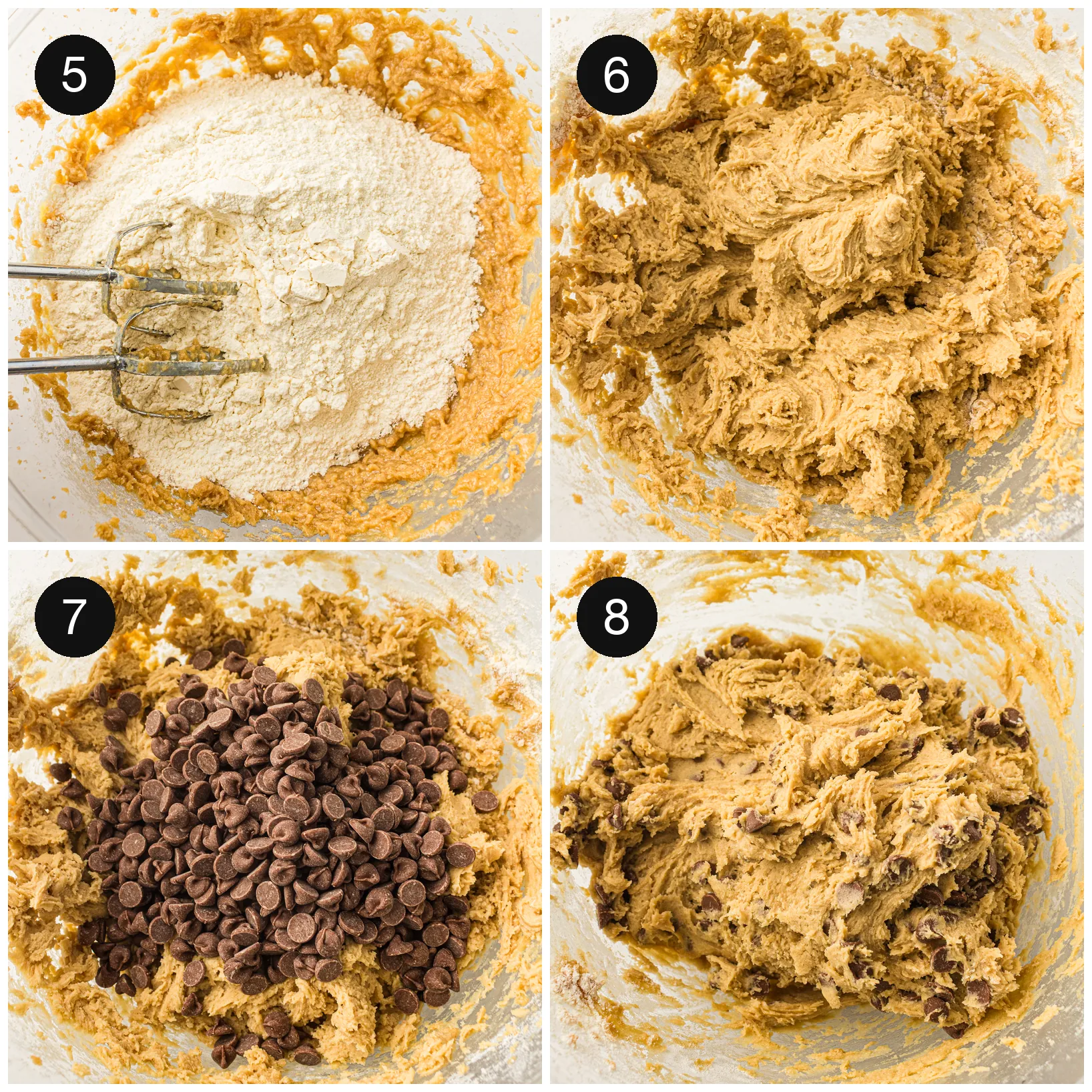
6. Chill it. Cover the bowl and refrigerate for at least an hour, or 2 to 3 hours for properly thick cookies.
7. Scoop and bake. Finally scoop tall balls of about three tablespoons onto lined trays and bake at 350F for 11 to 14 minutes, until the edges are golden and the centres still look soft.
Line the trays with parchment paper sheets so the bases release cleanly and the soft centres do not tear as you lift them.
Sourdough Discard Cookies Mistakes to Avoid
- Melted butter. This is the number one cause of flat cookies. Softened means it dents under a finger, not that it pours.
- Skipping the chill. Because warm dough spreads before it sets, an hour in the fridge is the minimum.
- Cold discard. It seizes the creamed butter into lumps. Let it sit out first.
- Overmixing after the flour. Still, it is easy to do with a stand mixer. Stop as soon as the streaks disappear.
- Baking until the middles look done. They should still look slightly underbaked when you pull them, since they firm up on the tray.
Tips for the Best Sourdough Discard Cookies
- Weigh the flour for your sourdough discard cookies at 345 g. As a result you avoid the dry, cakey batch that a heavy scoop produces.
- If your discard is very wet, add an extra tablespoon or two of flour until the dough holds its shape.
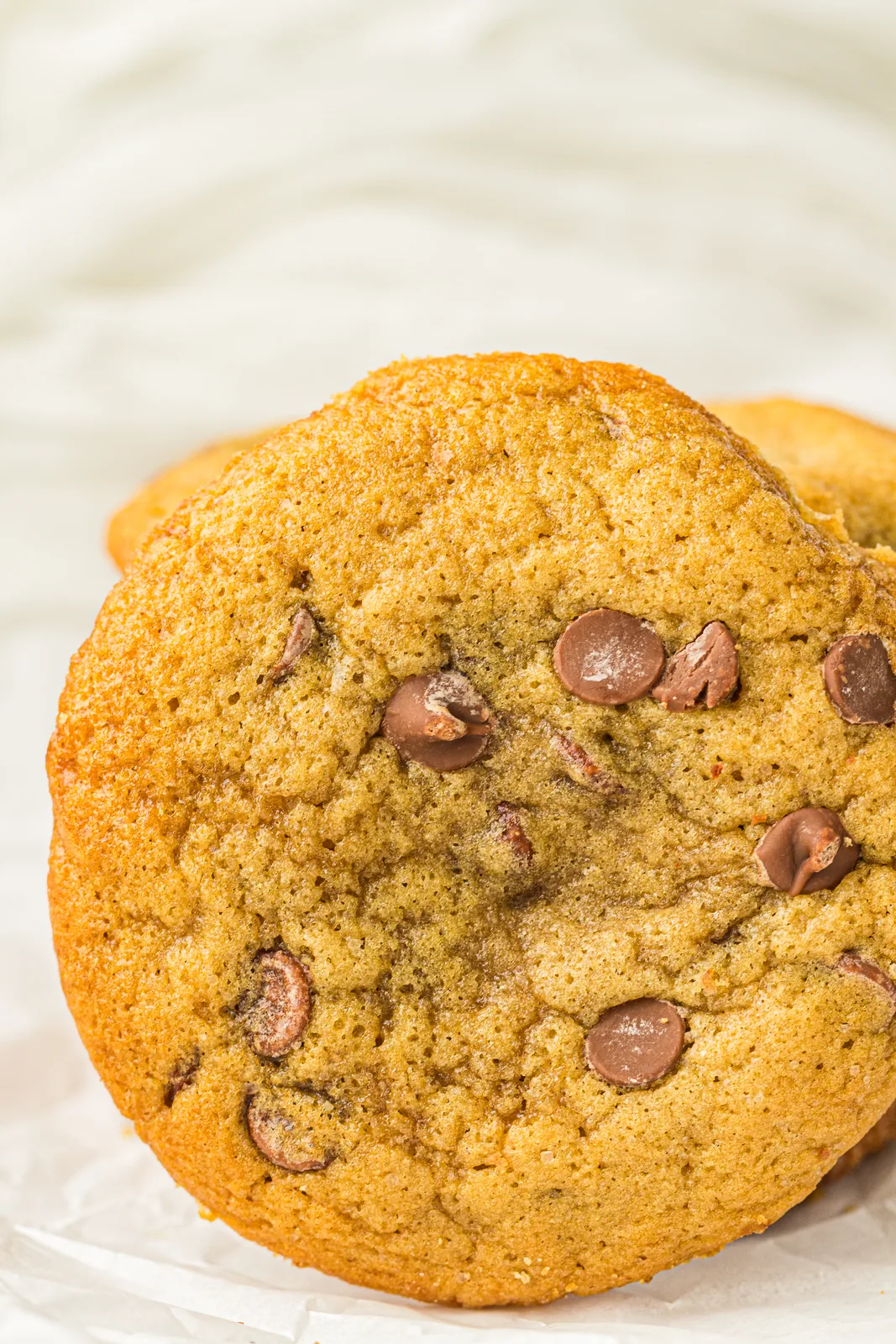
- Press a few extra chocolate pieces onto the tops of the dough balls before baking. In addition, a pinch of flaky salt over the hot cookies is worth it.
- Bang the tray on the counter once as they come out for that rippled bakery look.
- Bake one test cookie first. Ovens vary, and eleven minutes in mine is not eleven in yours.
Storage and Reheating
- Room temperature. Keep the sourdough discard cookies in an airtight tin for up to 4 days. A slice of bread in the tin keeps them soft.
- Raw dough. The dough keeps in the fridge for 3 days, so you can bake a few at a time.
- Freezer. Freeze scooped dough balls for up to 2 months and bake from frozen with 1 to 2 extra minutes. The Academy of Nutrition and Dietetics has sensible guidance on wrapping for the freezer.
Variations and Substitutions
- Active starter instead. It works exactly the same way and will not noticeably change the flavour.
- Smaller cookies. Use one to two tablespoons of dough and bake for 9 to 11 minutes instead.
- Mix ins. A quarter cup of chopped pecans, toffee bits or dried cherries all belong here.
- Dark chocolate chunks. Chopped bars give you molten pools rather than neat chips.
- More discard to use up. When the jar is still full, my sourdough dinner rolls take a whole cup of starter.
What to Serve With Sourdough Cookies
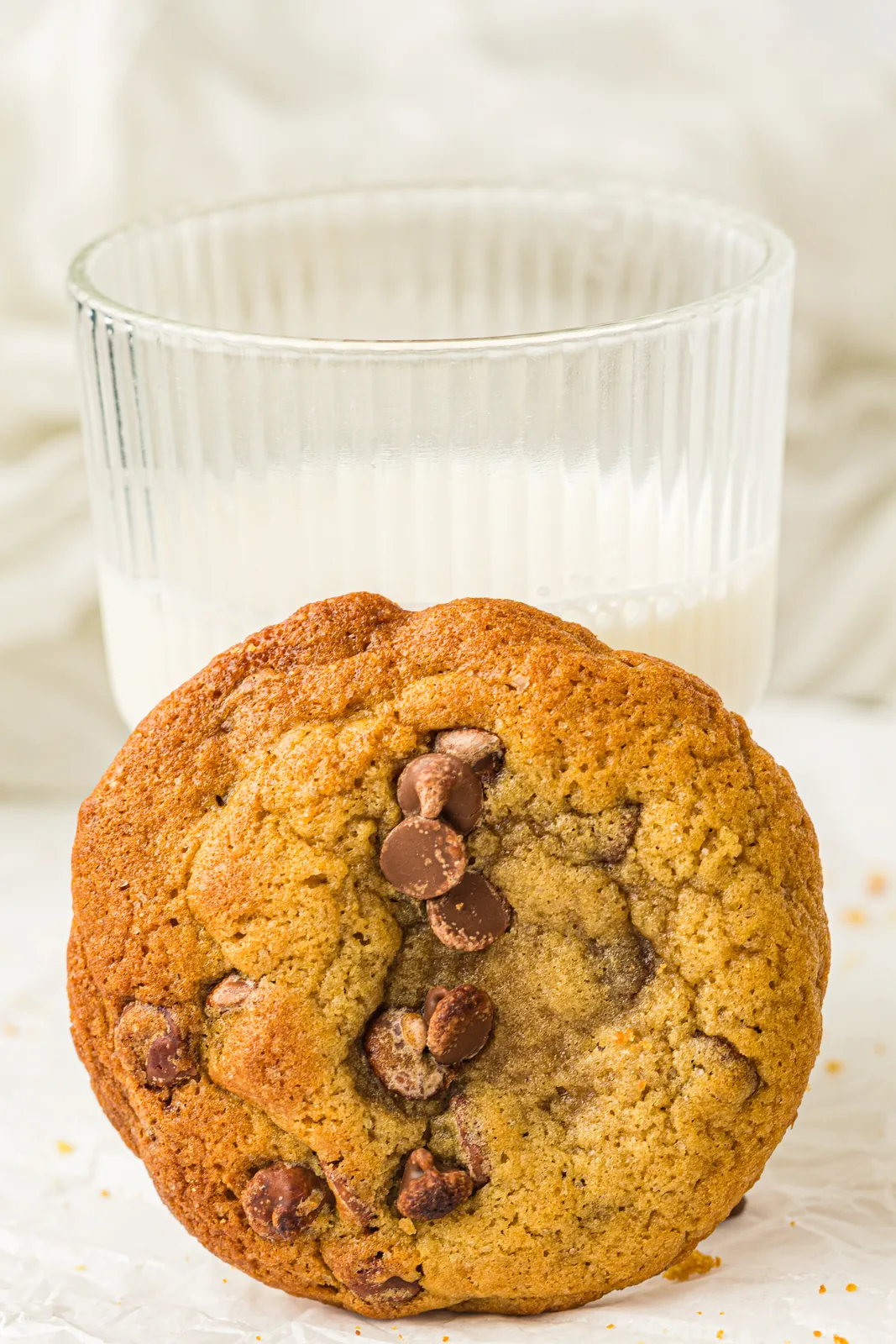
Sourdough discard cookies want cold milk, warm from the tray, and very little conversation. That is the whole serving suggestion and I stand by it.
For something more deliberate, sandwich two around a scoop of cookies and cream ice cream and press gently. If you are building a proper pudding tray, a batch of sheet pan brownies alongside covers everyone, and matcha chocolate chip cookies add a bit of colour.
Frequently Asked Questions
Discard and Dough
What does adding sourdough discard do to cookies?
It adds hydration and acidity. As a result the centres stay soft and chewy, the crumb is more tender, and a faint tang cuts through the sweetness.
Can I use active starter instead of discard?
Yes, and it works just as well. Because there is so much sugar and fat in the dough, any leavening from an active starter makes very little difference.
What is sourdough discard?
It is the portion of starter you remove before feeding, roughly equal parts flour and water. Unfed and slightly sour, it is perfect for baking like this.
Why do I need to chill the dough?
Chilling solidifies the butter and hydrates the flour, so the cookies set before they spread. That is what gives you thick bakery style rounds instead of thin discs.
Troubleshooting and Storage
Why are my cookies spreading too much?
The butter was too soft or the dough was not chilled long enough. So make sure the butter dents rather than pours, and give the dough a full hour minimum.
Why are my cookies dry and cakey?
Almost always too much flour. Weigh it at 345 g rather than scooping, since a packed cup can add a great deal without looking any different.
Can I freeze sourdough discard cookies?
Yes, baked or raw. Scooped dough balls freeze for two months and bake straight from frozen with one to two extra minutes in the oven.
Ingredients
- 1 cup unsalted butter softened but not melted, 226 g
- 1 cup light brown sugar packed, 200 g
- 1/2 cup granulated sugar 100 g
- 1/2 cup sourdough discard unfed, at room temperature, 120 g
- 2 large eggs
- 2 teaspoons vanilla extract
- 2 3/4 cups all-purpose flour 345 g
- 1 teaspoon baking soda
- 1 teaspoon fine sea salt
- 1 1/2 cups semi-sweet chocolate chips 255 g
Instructions
- In a large bowl, beat the softened butter, brown sugar and granulated sugar together for 2 to 3 minutes, until light and fluffy.

- Mix in the sourdough discard until fully incorporated.
- Add the eggs one at a time, mixing well after each addition.
- Stir in the vanilla extract. The mixture should look thick and creamy.
- In a separate bowl, whisk together the flour, baking soda and salt.
- Gradually mix the dry ingredients into the wet mixture until just combined. Do not overmix.
- Fold in the chocolate chips by hand.
- Cover and refrigerate the dough for at least 1 hour, or 2 to 3 hours for extra thick cookies.
- Preheat the oven to 350°F (175°C) and line baking sheets with parchment paper.
- Scoop large dough balls of about 3 tablespoons each, keeping them tall rather than flattened.
- If desired, press chopped chocolate pieces on top of each dough ball.
- Bake for 11 to 14 minutes, until the edges are golden and the centres still look slightly soft.

- Let the cookies cool on the baking sheet for 5 minutes, then transfer to a wire rack to cool completely.