 Bity
Bity
I started making sourdough discard crackers because I felt guilty pouring perfectly good starter down the sink every Tuesday. Honestly, the first batch was a disappointment. They were pale, bendy, and tasted like sad flatbread, and my daughter politely ate one and put the rest back.
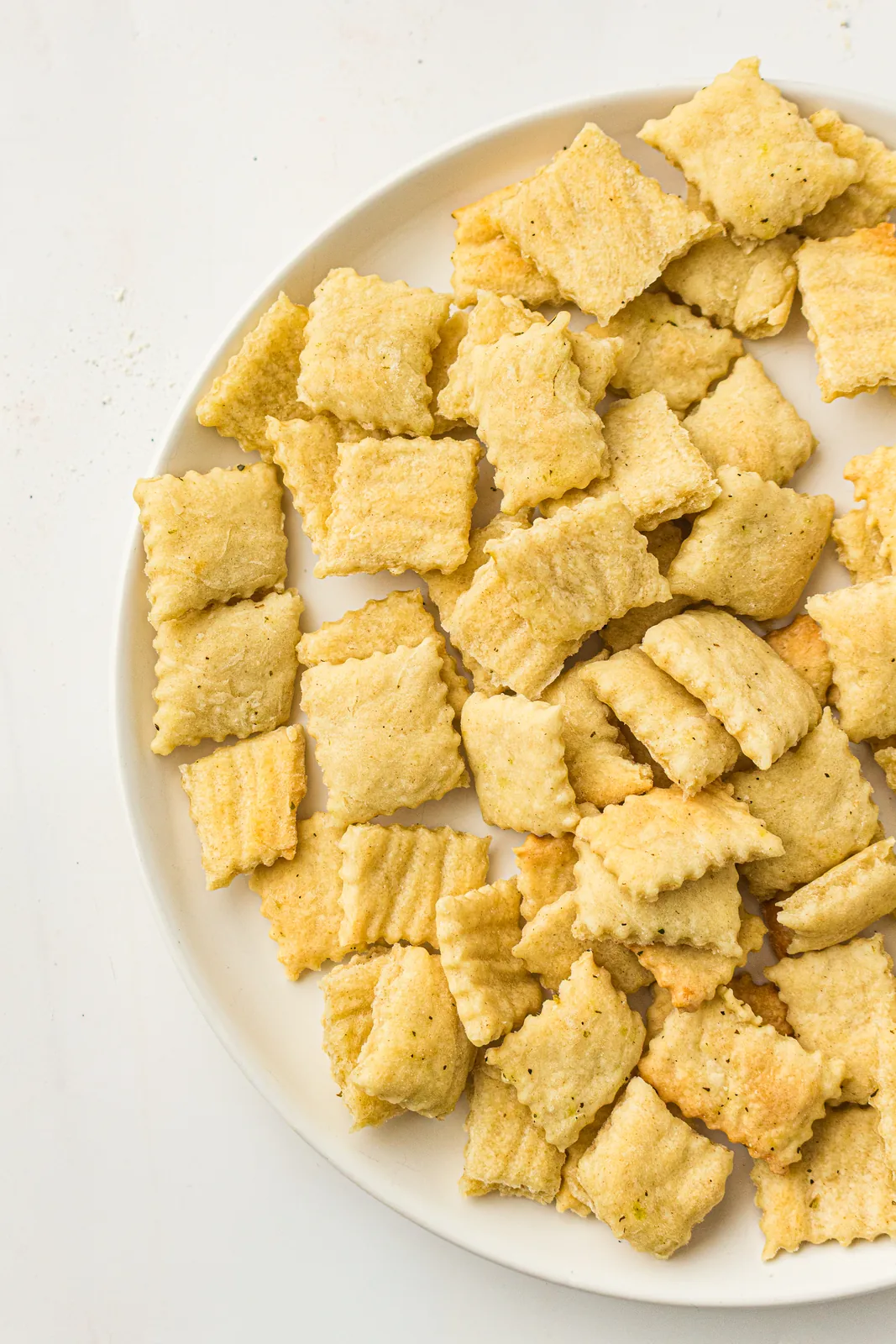
The fix turned out to be almost embarrassingly simple. You have to roll the dough far thinner than feels sensible, thin enough that the parchment pattern shows through. Do that and you get a proper snap, the kind that shatters when you break a sheet along the scored lines.

Quick Breakdown
Why You’ll Love These Sourdough Discard Crackers
- Five things you already have. Discard, flour, olive oil, salt, and whatever dried herbs live at the back of the cupboard.
- No rise, no waiting. Because there is no leavening to worry about, the dough goes straight from the bowl to the rolling pin.
- They use a full cup of discard. So a week of feedings disappears in one tray instead of the bin.
- The tang is the point. Unfed starter brings a savoury, almost cheesy sourness that shop-bought crackers never manage.
- Thirty minutes, start to finish. Meanwhile the kitchen smells like a bakery.
Ingredient Notes
- Sourdough discard. Unfed and at room temperature works best. However, cold discard from the fridge is fine too, as long as you let it sit out for twenty minutes so it loosens.
- All-purpose flour. Plain white flour keeps the texture light and snappy. Wholemeal works, though it drinks more moisture, so expect to add the extra water.
- Olive oil. Two tablespoons is what makes the layers flake rather than turn hard. Olive oil is one of the better studied cooking fats, and the Academy of Nutrition and Dietetics explains why it earns its place.
- Fine sea salt. Half a teaspoon in the dough, then flaky salt on top if you like the contrast.
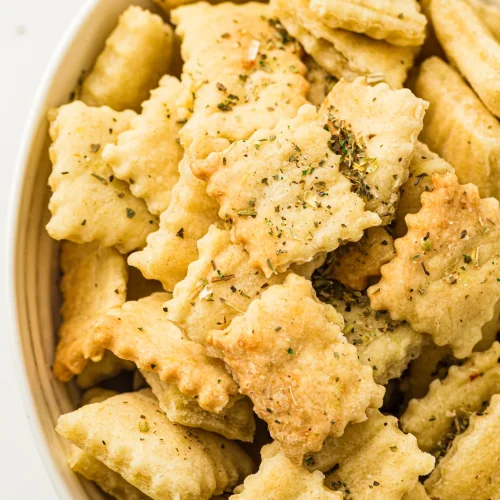
- Dried herbs. Oregano, thyme, rosemary, or a ready-mixed Italian blend. Because dried herbs are pressed into the surface, they toast rather than burn.
- A splash of water. Only if the dough feels dry and crumbly. Add it a tablespoon at a time.
How Thin Should You Roll Sourdough Discard Crackers?
This is the whole recipe in one sentence. Aim for about one sixteenth of an inch, which is roughly the thickness of a beer mat pressed flat. If you hold the parchment up and can see a shadow of your hand through the dough, you are there.
Rolling between two sheets of parchment makes it far easier. The top sheet stops the pin sticking, and it lets you push harder than you would dare on a floured worktop. Peel the top sheet away slowly once you have finished, and if the dough tears at the edges, just press it back together.
Thickness also explains why sourdough discard crackers brown unevenly. The edges are always a fraction thinner than the middle, so they colour first. Pull the browned ones off the tray and give the pale centre squares another few minutes on their own.
Using Discard Straight From the Fridge
Most discard lives in a jar in the fridge, growing more sour by the day, and that is exactly what you want here. Cold discard is stiff and hard to stir into flour, so give it twenty minutes on the counter first.
Discard keeps well for a week or two in a sealed jar. In fact, older discard makes tangier crackers, which is the opposite of what you want in bread. A grey liquid on top is just hooch, the alcohol the yeast throws off, so stir it back in or pour it away.
That said, if the jar smells of nail varnish rather than yoghurt, or shows any fuzz, start again. Whole grains and their ferments are a genuinely useful part of a mixed diet, and Harvard’s Nutrition Source sets out what the bran and germ actually contribute.
How To Make Sourdough Discard Crackers
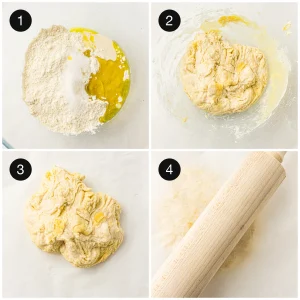
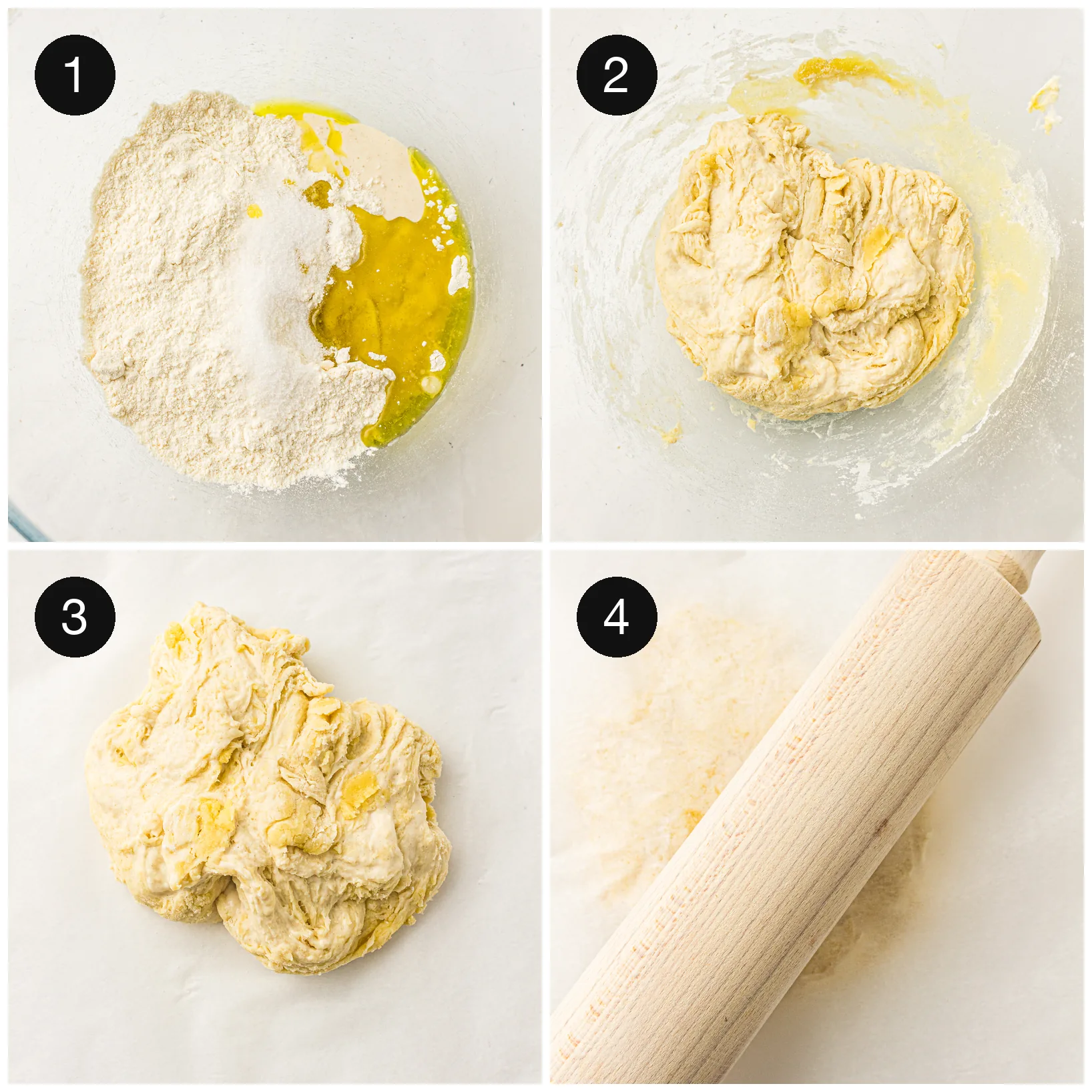
1. Mix the dough. First heat the oven to 350F (175C). Then stir the discard, flour, olive oil, and salt together in a bowl until a soft, pliable dough forms. It should feel like play dough rather than batter.
2. Adjust the feel. Next check it with your hands. If the dough is dry and cracking, work in water a tablespoon at a time until it comes together smoothly.
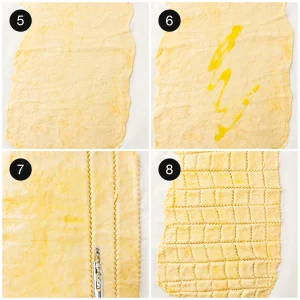
3. Roll it very thin. After that, put the dough between two sheets of parchment and roll from the centre outward. Keep going past the point where you think it is thin enough.
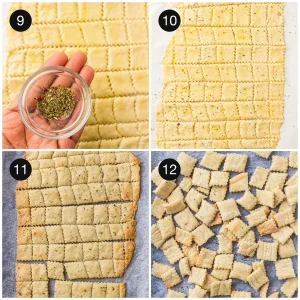
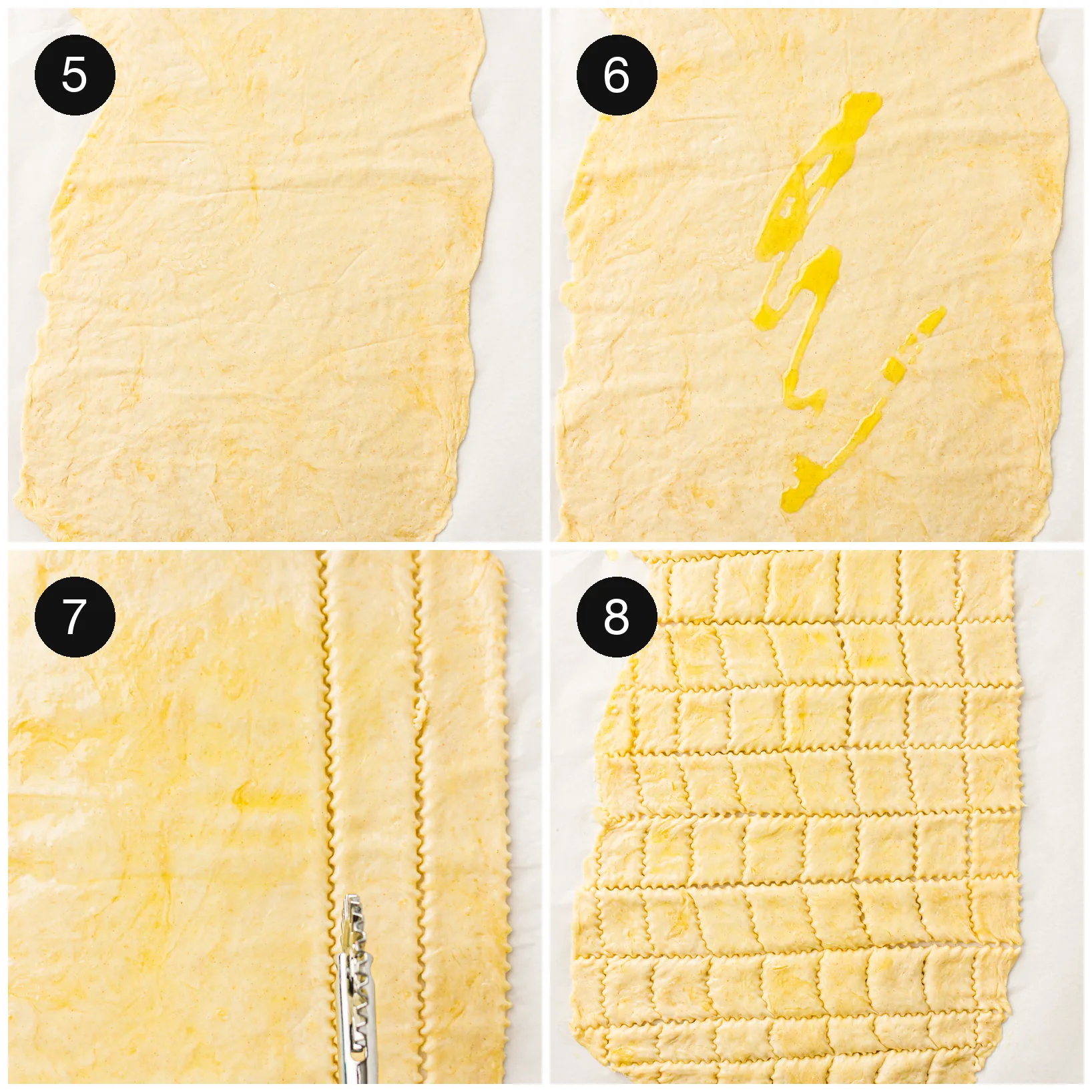
4. Oil and season. Then peel off the top sheet, brush the surface with a little more olive oil, and scatter the dried herbs evenly across it.
5. Press and score. Press the herbs in gently with your palm so they stick. Meanwhile run a pizza wheel across the sheet in both directions to mark squares.
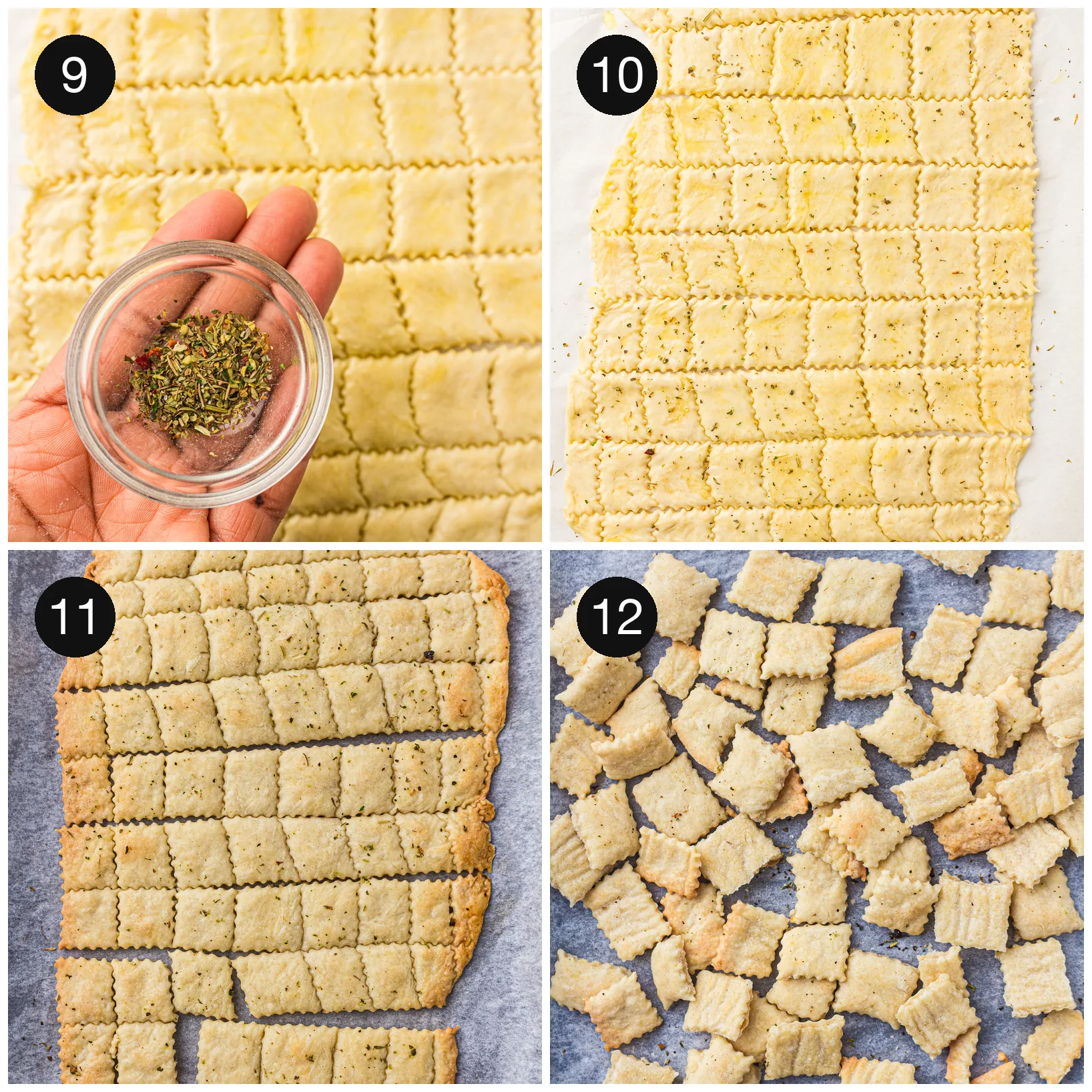
6. Bake until golden. Slide the parchment onto a baking sheet and bake for 18 to 22 minutes. The squares should be deep golden at the edges and firm in the centre.
7. Cool completely. Finally leave them on the tray until stone cold, then snap along the scored lines. They crisp up as they cool, so resist judging them warm.
Why Are My Crackers Not Crispy?
- The dough was too thick. This is the culprit nine times out of ten. Roll thinner and the problem disappears.
- You judged them warm. They firm up dramatically in the last few minutes of cooling, so wait.
- The tray was crowded. Two thin sheets bake better than one thick one. Split the dough if you need to.
- Too much oil on top. A brush, not a pour. Excess oil steams the surface instead of crisping it.
- They sat out uncovered. Humidity softens them overnight. Because of that, an airtight tin matters more than you would think.
Tips for the Best Sourdough Discard Crackers
- Weigh the discard if you can. A cup is roughly 240 g, but starters vary in hydration.
- Rotate the tray halfway through baking. In fact, most home ovens run hotter at the back.
- Score deeply. Shallow lines mean the sheet breaks wherever it likes rather than where you asked.
- Flaky salt goes on after the herbs, not before, so it stays visible.
- If a few squares come out pale, return them to a 300F oven for five minutes on their own.
Storage and Refreshing
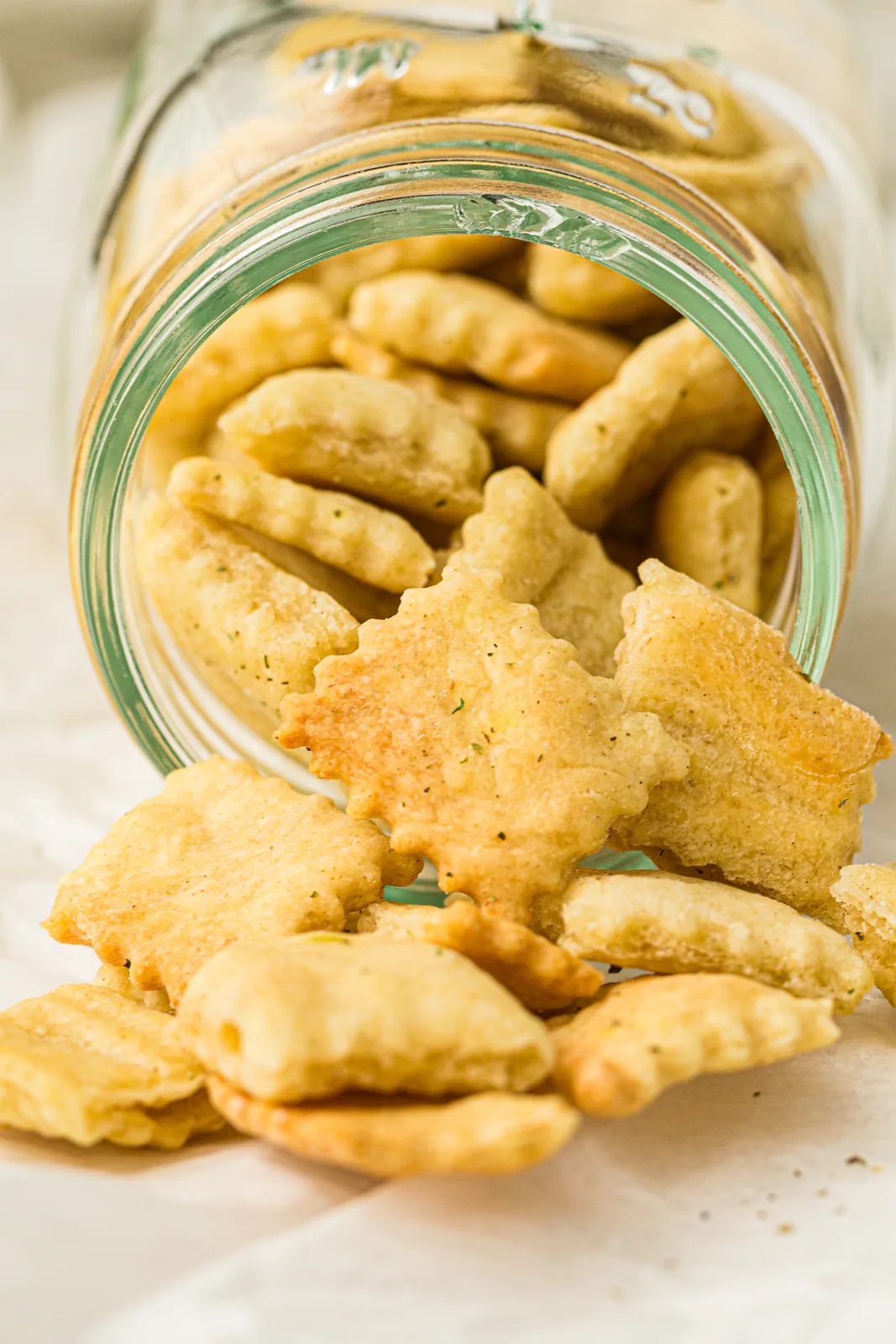
- Room temperature. Keep the sourdough discard crackers in an airtight tin or a jar with a tight lid for up to a week.
- Gone soft? Spread them on a tray and warm at 300F (150C) for about five minutes. As a result they come back almost as good as new.
- Freezing. Baked crackers freeze poorly, so freeze the raw dough instead, wrapped tightly, for up to a month.
Variations and Substitutions
- Cheese. Scatter finely grated parmesan over the oil before baking. Still, use a light hand or the squares turn greasy.
- Everything bagel. Swap the herbs for everything bagel seasoning. This is the version my husband hides from everyone else.
- Seeded. Sesame, poppy, or nigella seeds press in beautifully and toast as they bake.
- Softer and thicker. Roll to twice the thickness and you have something closer to a flatbread. For a proper high-protein version, try my cottage cheese flatbread instead.
- Fresh herbs. Chop rosemary or thyme very finely, since larger pieces scorch.
What to Serve With These Crisp Squares
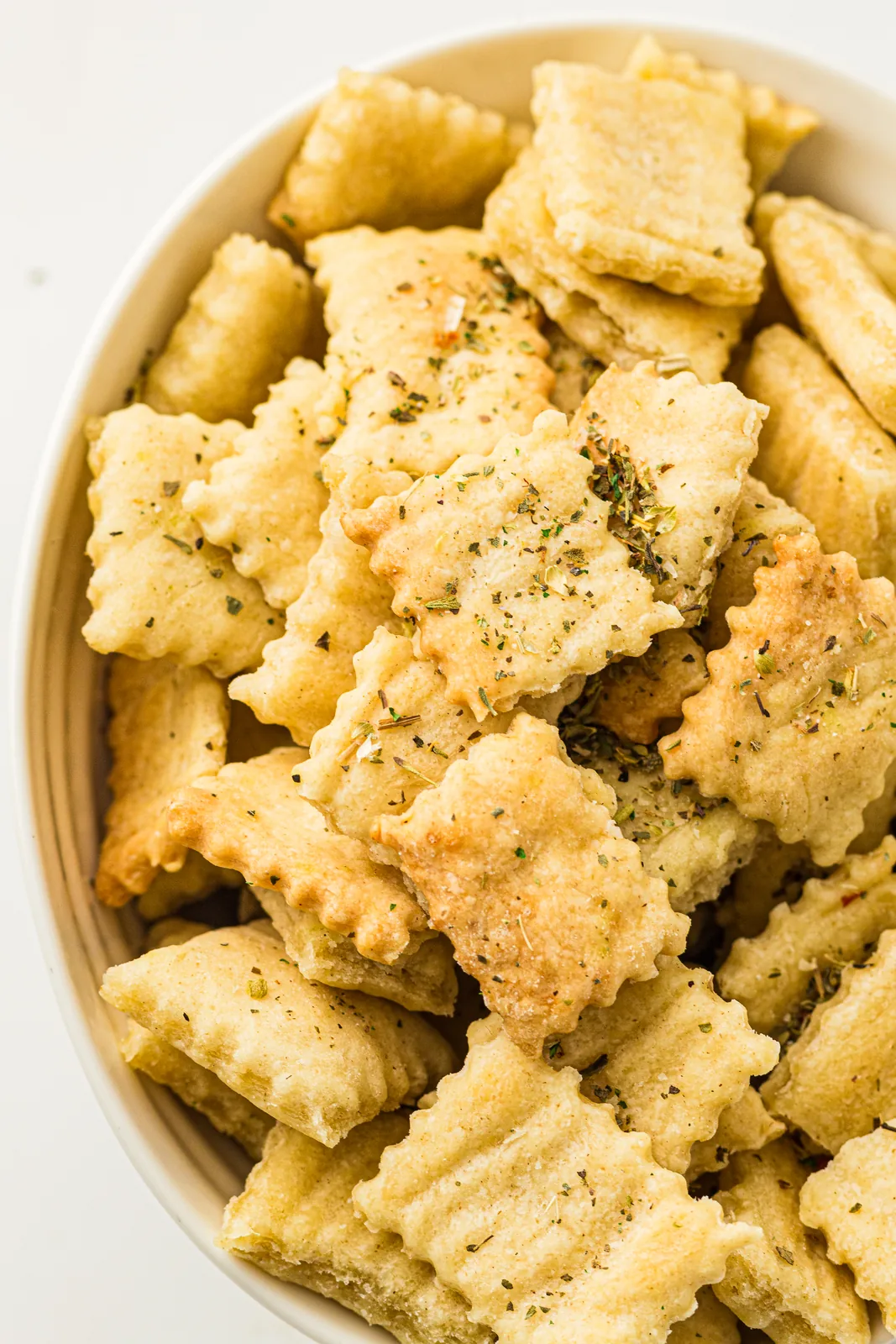
These sourdough discard crackers were born for dips. A bowl of smooth homemade hummus and a plate of these disappears faster than any crisp packet in our house. Soft cheese works just as well, especially a tangy homemade cream cheese with a crack of black pepper over it.
On a board with olives, cured meats, and grapes they look like you tried much harder than you did. For a soup night, serve them instead of bread alongside something rich, or put out a tray of cheesy garlic bread if you want both.
Frequently Asked Questions
Discard and Dough
Can I use active starter instead of discard?
Yes, though discard is better here. Because active starter is full of gas, it puffs slightly in the oven and gives you a lighter, airier square rather than a dense snap.
Can I use sourdough discard straight from the fridge?
You can, but let it warm on the counter for twenty minutes first. Cold discard is stiff and drags flour streaks through the dough.
How long does discard keep in the fridge?
Two weeks in a sealed jar is comfortable. In fact, older discard makes better crackers, since the extra acidity is exactly the flavour you want.
Can I make the dough ahead?
Of course, and sourdough discard crackers are better for it. Wrap the dough and refrigerate for up to two days, then let it sit out for half an hour before rolling so it stretches rather than tears.
Baking and Storage
Why did my crackers puff up in the oven?
Usually because the dough was rolled thick, or the discard was young and still active. Docking the sheet with a fork before baking sorts it out.
Can I add cheese to sourdough discard crackers?
Yes. A thin dusting of finely grated parmesan over the oiled surface is lovely. Avoid soft cheeses, which release water and stop the squares crisping.
How do I bring soft ones back?
Five minutes in a 300F oven, then cool completely on the tray. That drives off the moisture they picked up from the air.
Ingredients
For the Dough
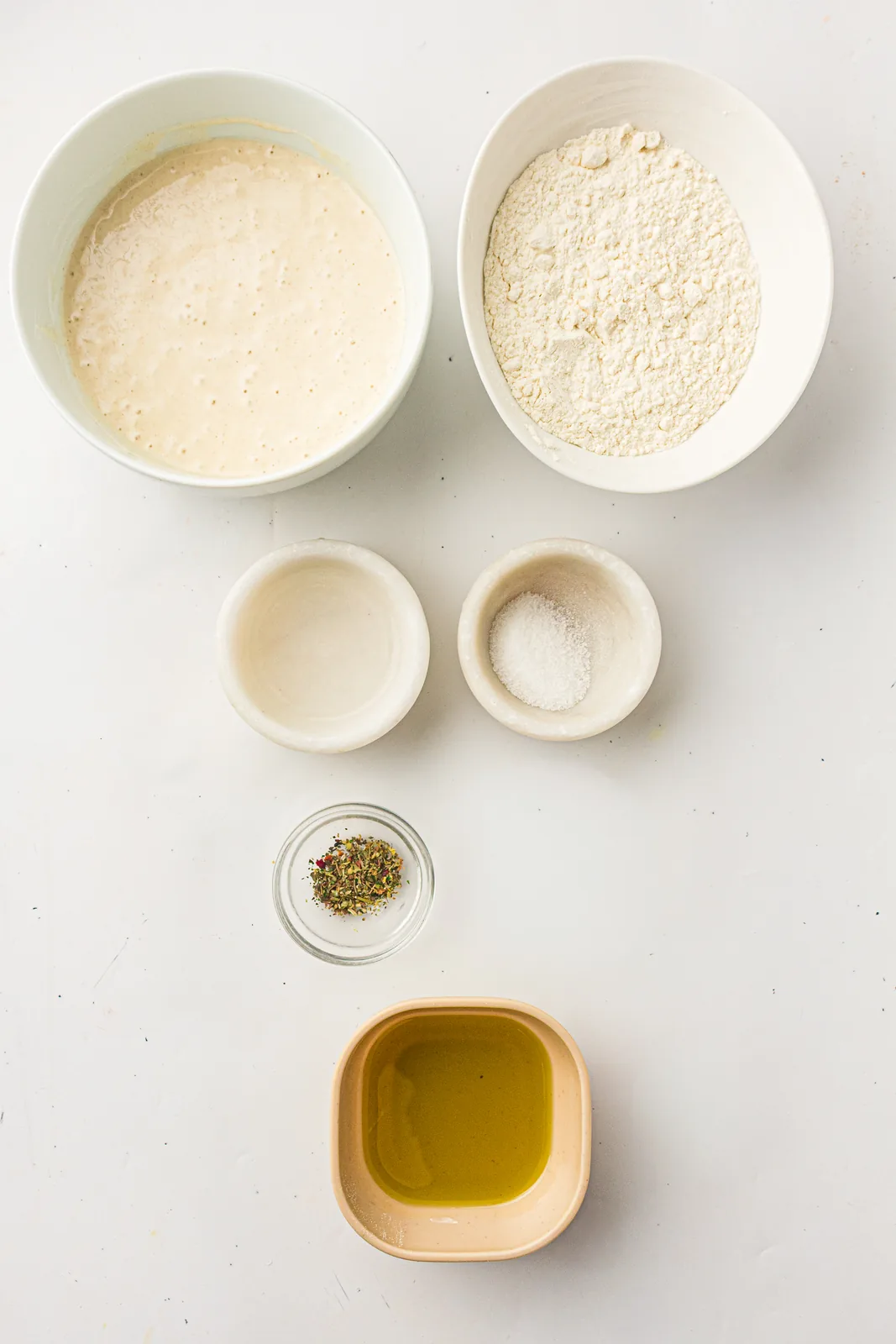
- 1 cup sourdough discard 240 g, unfed and at room temperature
- 1 cup all-purpose flour 125 g
- 2 tablespoons olive oil plus a little more for brushing
- 1/2 teaspoon fine sea salt
- 1 to 2 tablespoons water only if the dough feels dry
For the Topping
- 1 tablespoon mixed dried herbs oregano, thyme, rosemary or an Italian blend
- flaky salt optional, for finishing
Instructions
- Preheat the oven to 350°F (175°C).
- In a bowl, stir together the sourdough discard, flour, olive oil and salt.

- Mix until a soft dough forms. It should feel smooth and pliable but not sticky.
- If the dough feels dry, add water one tablespoon at a time until it comes together.
- Place the dough between two sheets of parchment paper.
- Roll the dough as thin as possible, almost paper thin. The thinner the dough, the crispier the crackers.
- Remove the top sheet of parchment paper.
- Lightly brush the surface of the dough with a small amount of olive oil.
- Sprinkle the mixed herbs evenly across the dough.
- Gently press the herbs into the dough so they stick.
- Use a knife or pizza cutter to score the dough into cracker-sized squares.
- Bake for 18 to 22 minutes until the crackers are golden and crisp.
- Allow the crackers to cool completely before breaking along the scored lines.