 Bity
Bity
A good lemon pound cake should be dense in the nicest possible way, close-grained and buttery, with enough citrus to make your jaw tingle slightly. Mine took a while to get there, because for years I kept treating it like a sponge and wondering why it came out dry.
The fix was patience at the creaming stage and rather more lemon than felt sensible. Zest from two whole lemons goes in, plus juice in the batter and more juice in the glaze, and none of it is too much.

Quick Breakdown
Why You’ll Love This Lemon Pound Cake
- A proper buttery crumb. Because there is a full cup of butter in here, the texture is rich and tight rather than airy.
- Real lemon, twice over. Zest and juice in the batter, then a sharp glaze poured over the cooled loaf.
- One bowl and a loaf tin. No layers, no frosting, no piping bag.
- It keeps beautifully. In fact, day two is better than day one, once the crumb has settled.
- Ten generous slices. Meanwhile it freezes well unglazed, so half can disappear into the freezer.
Ingredient Notes
- Unsalted butter, softened. Properly soft, so a finger leaves a dent easily. However, do not let it get greasy or melty, because it will not hold air when you beat it.
- Eggs at room temperature. Cold eggs seize the creamed butter and curdle the batter. Still, twenty minutes in a bowl of warm water fixes forgotten fridge eggs.
- Lemon zest from two lemons. The zest carries most of the aroma, since the oils live in the peel, and Cleveland Clinic notes how much of the fruit’s value sits in the skin. Rub it into the sugar with your fingers before you start.
- Fresh lemon juice. Bottled juice tastes dull and slightly bitter here. So squeeze the lemons you have already zested.
- Whole milk. It keeps the crumb tender. Meanwhile buttermilk or sour cream works too if you want a slight tang.
- Plain flour and a little baking powder. Traditional pound cake uses none, but half a teaspoon here stops the loaf being heavy going.
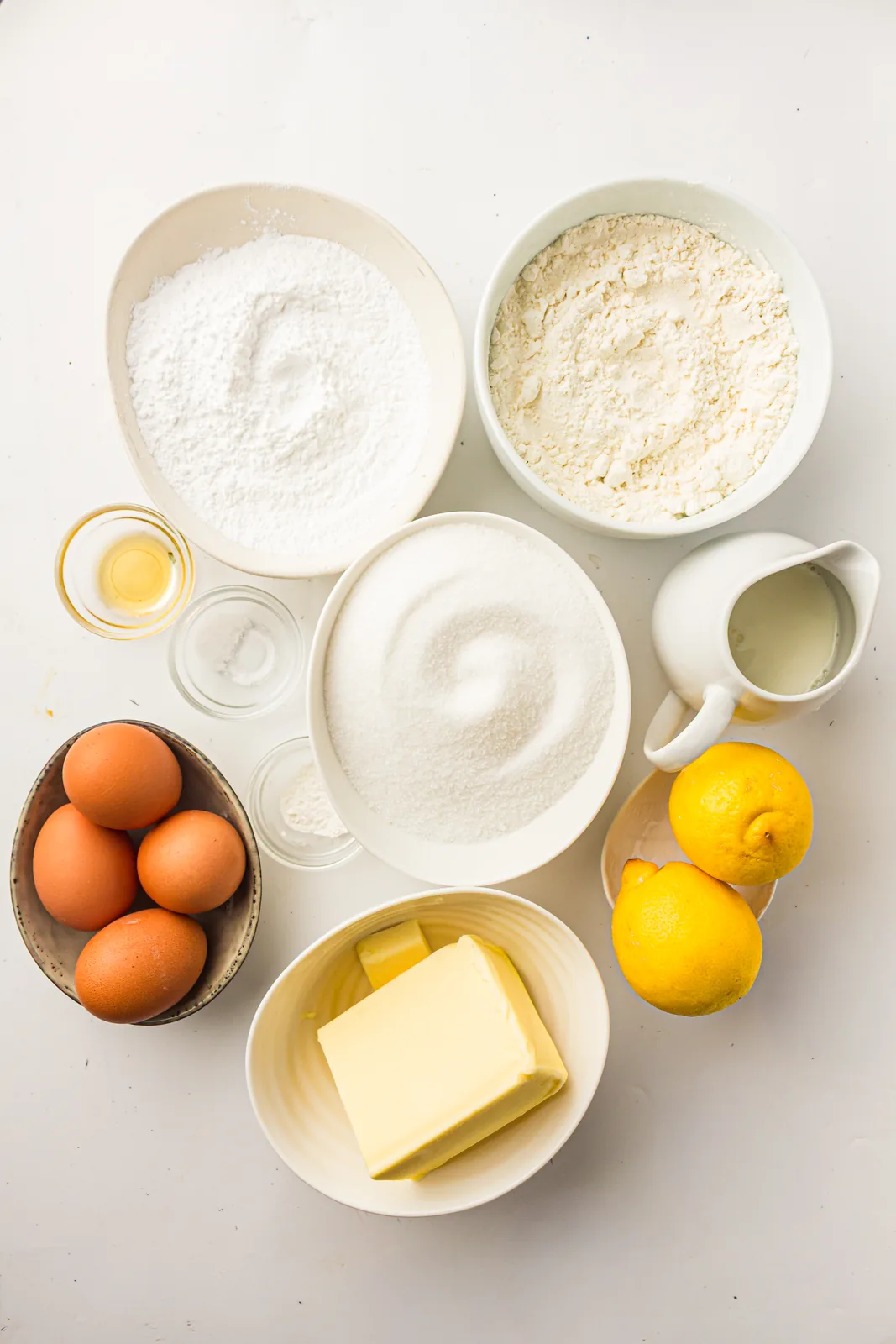
A fine rasp style zester takes off just the yellow peel and leaves the bitter white pith behind, which matters when you are zesting two whole lemons.
Lemon Cake or Lemon Pound Cake, What Is the Difference
People use the two names interchangeably and they are not the same thing. A classic pound cake is built on equal weights of butter, sugar, eggs, and flour, which gives a dense, close crumb and a fine, almost velvety texture.
A lemon cake is usually lighter. It leans on more raising agent, less butter, and often oil, so it rises higher and eats softer. Neither is better, though they suit different moments.
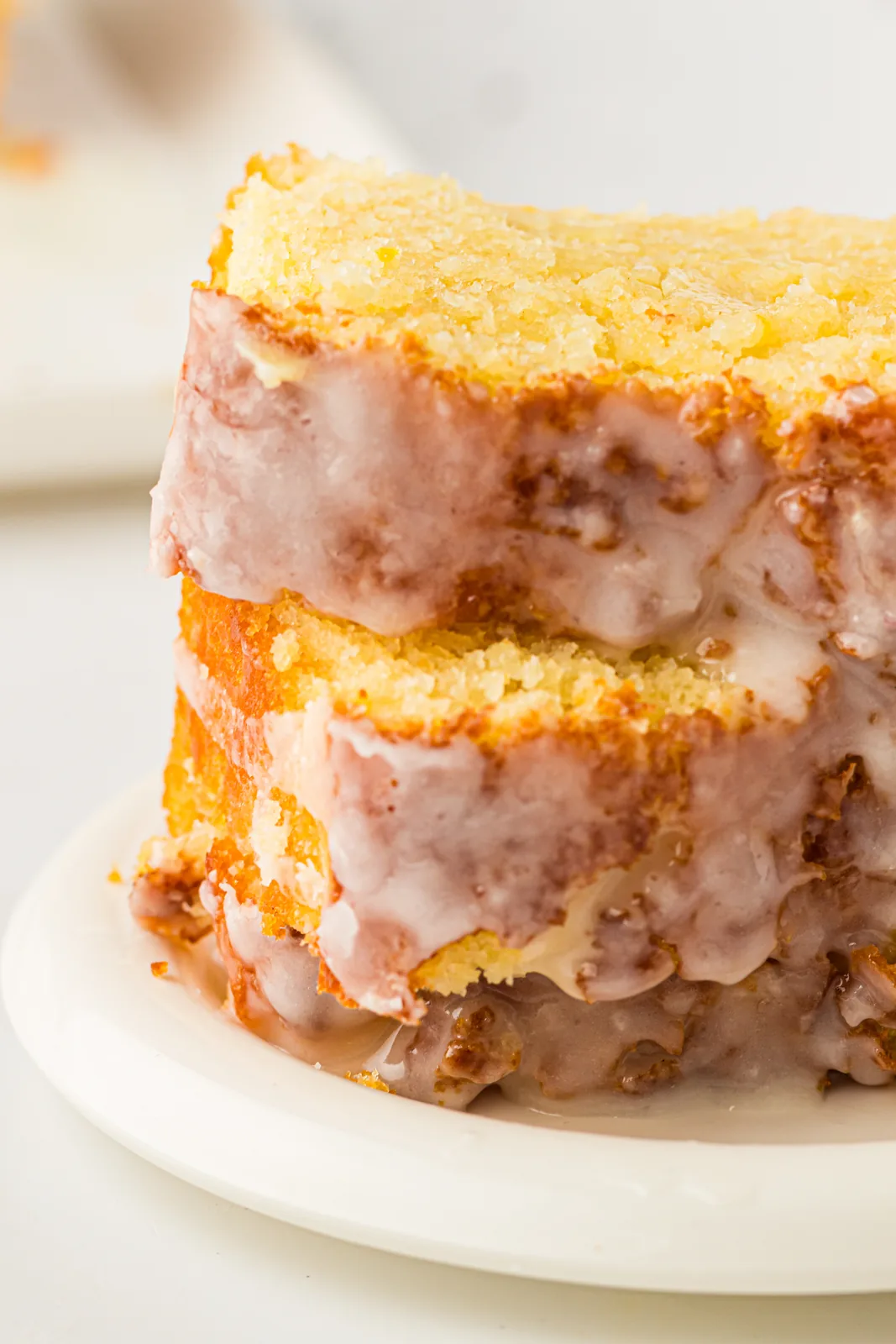
This lemon pound cake sits firmly on the traditional side of that line. As a result the slice holds its shape, it toasts well, and it takes a thick glaze without collapsing under it.
Why the Creaming Stage Decides the Crumb
There is no baking soda doing heavy lifting in a lemon pound cake, so most of the lift comes from air you physically beat into the butter and sugar. That is the whole secret, and it is why five minutes of creaming is not a suggestion.
You are looking for a mixture that has gone noticeably paler and increased in volume. Sugar crystals cut tiny pockets into the fat, and those pockets expand in the oven. Because of that, a rushed two minute cream gives a squat, greasy loaf every time.
After that, add the eggs one at a time and beat well between each. Meanwhile keep the mixer on medium rather than high, so you are folding air in steadily rather than whipping the fat warm.
How To Make Lemon Pound Cake
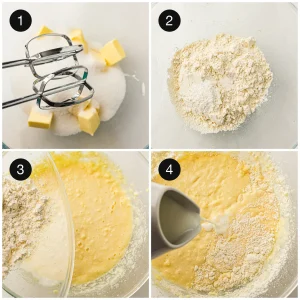
1. Prepare the tin and oven. First heat the oven to 175C and line a standard loaf tin with parchment, leaving an overhang so you can lift the cake out later.
2. Cream the butter and sugar. Next beat them together for a full five minutes until pale and fluffy. Then add the eggs one at a time, beating well after each.
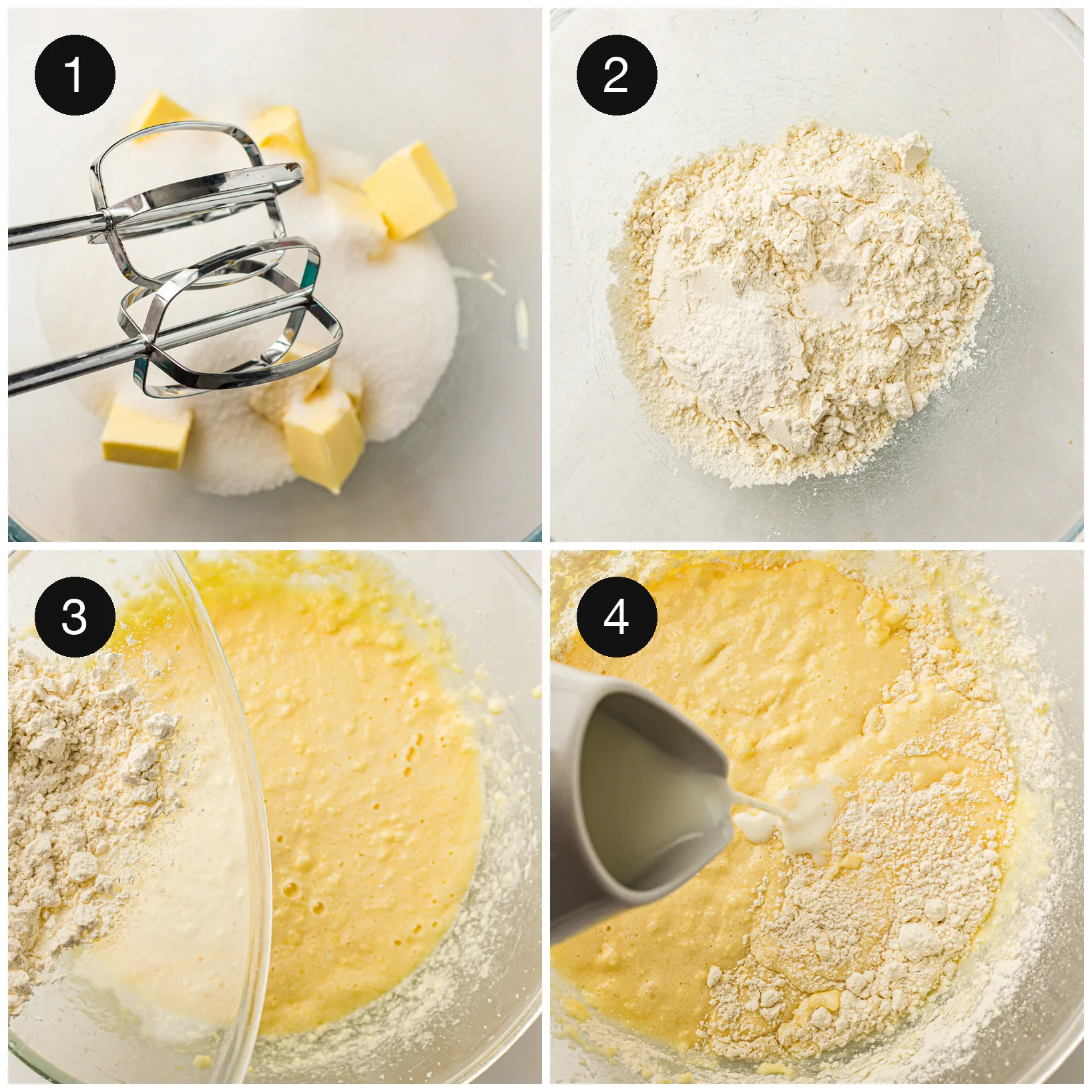
3. Combine the dry ingredients. Meanwhile whisk the flour, baking powder, and salt together in a separate bowl.
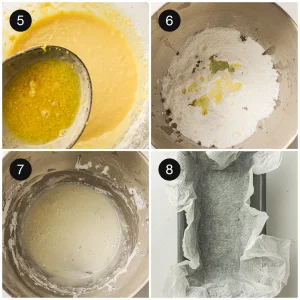
4. Alternate dry and wet. Then add the flour mixture to the batter in three goes, alternating with the milk, and mix only until each addition disappears.
5. Fold in the lemon. After that stir through the zest, the lemon juice, and the vanilla. The batter may look slightly split, which is normal and sorts itself out in the oven.
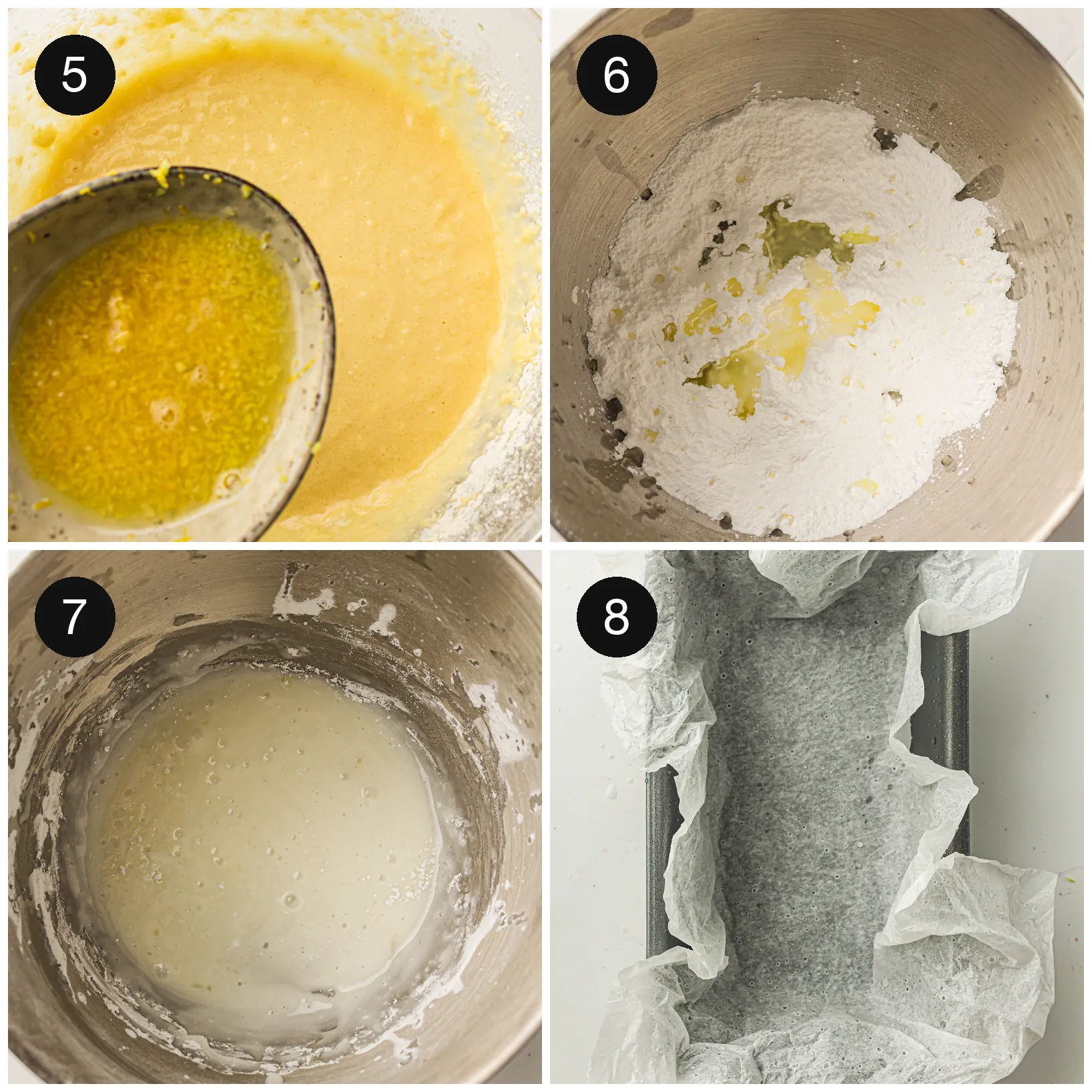
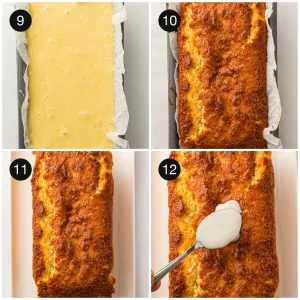
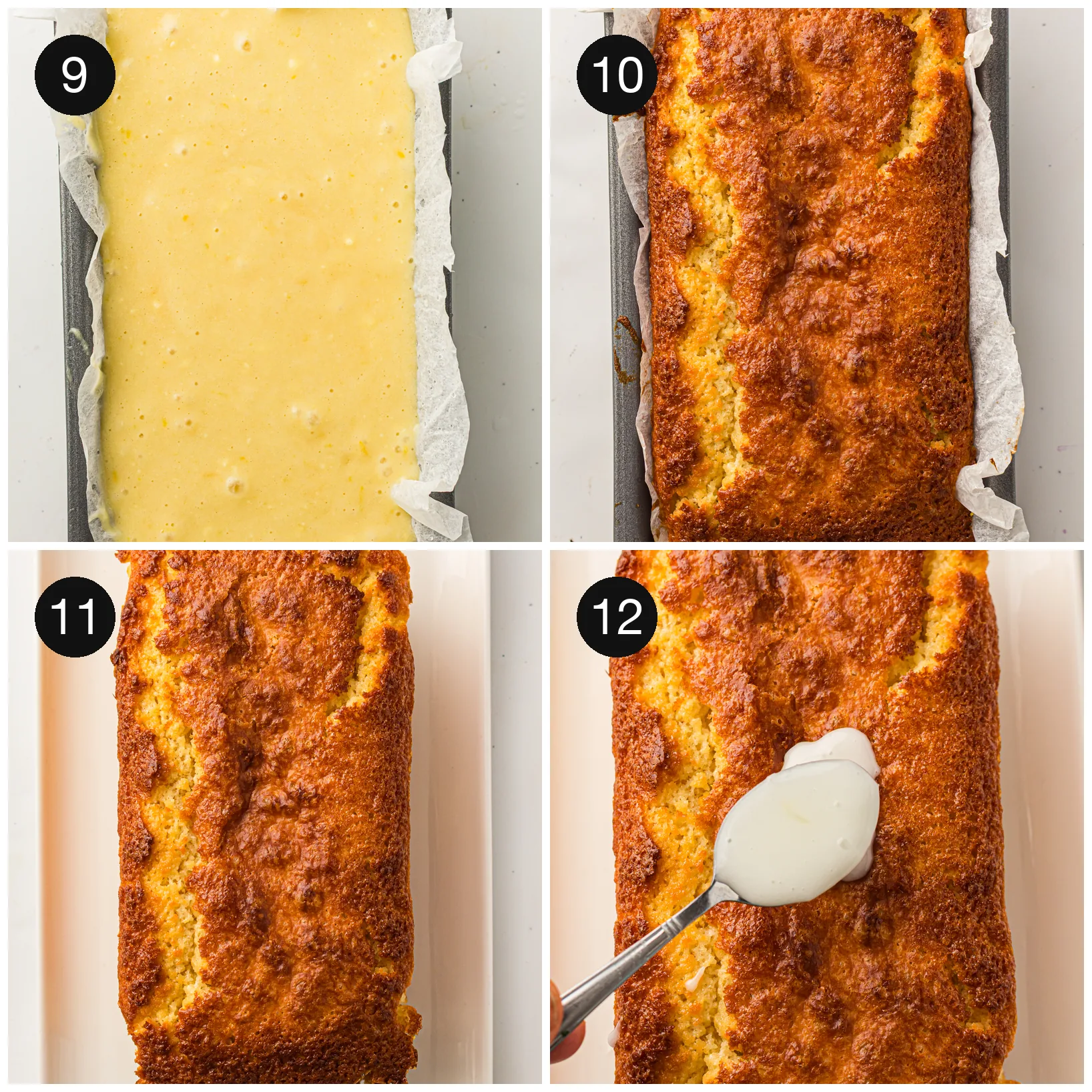
6. Bake and glaze. Finally pour the batter into the tin, smooth the top, and bake for 50 to 60 minutes until a skewer comes out clean. Cool in the tin for 15 minutes, turn out onto a rack, and only glaze once the loaf is completely cold.
Why Is My Pound Cake Dense or Dry
- Overmixing after the flour. This is the usual culprit. Flour develops gluten the moment it meets liquid, so stop as soon as it disappears.
- Under-creaming. Because the air you beat in is the lift, a short creaming stage gives a heavy, tight loaf.
- Cold eggs. They split the batter, and a split batter bakes unevenly.
- Overbaking. Five extra minutes dries a pound cake noticeably. Start checking at 50 minutes.
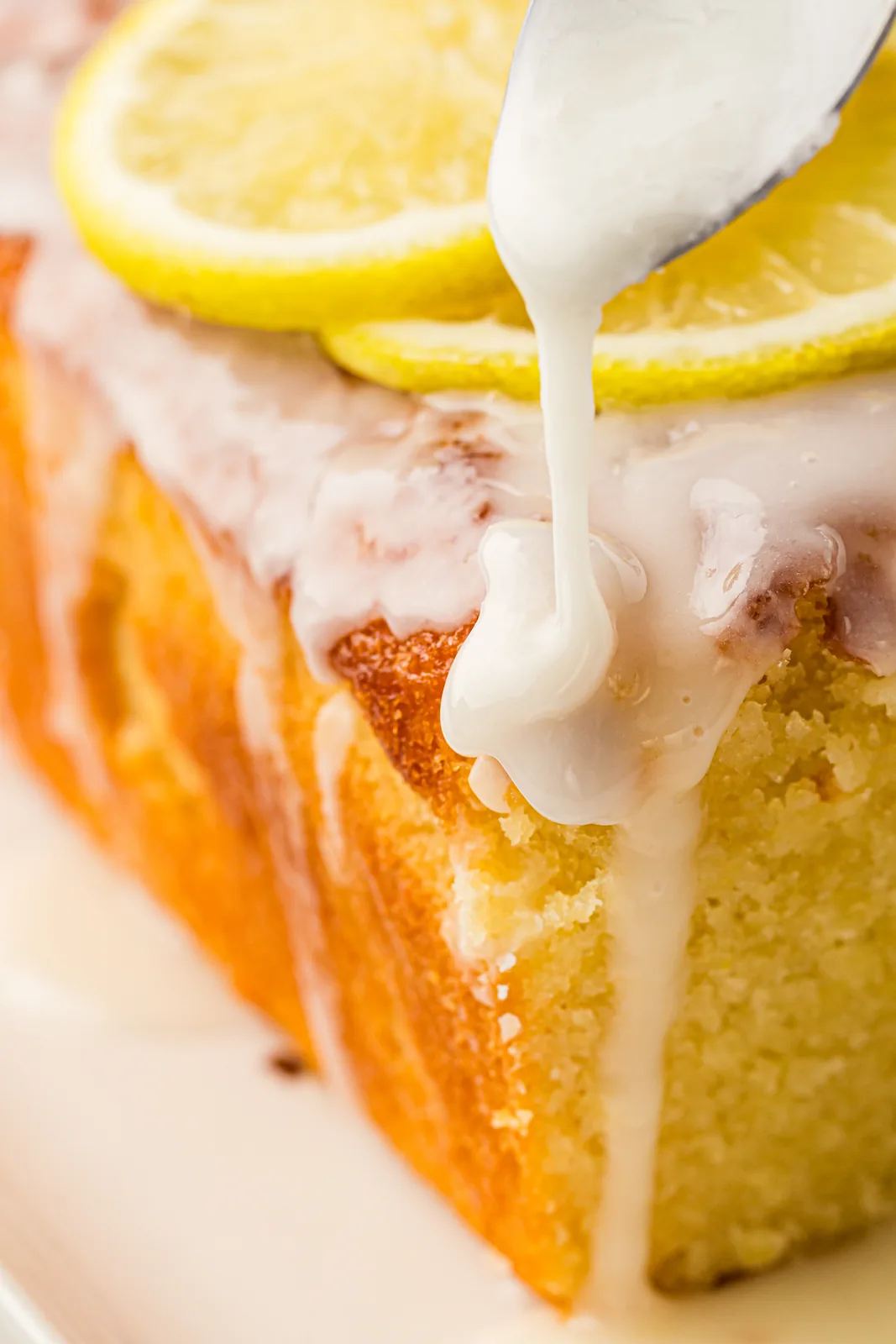
- Glazing while warm. The glaze soaks straight in and vanishes instead of setting into a white crust.
Tips for the Best Lemon Pound Cake
- Rub the zest into the sugar with your fingertips first. In fact, this one step roughly doubles how lemony the finished cake tastes.
- Weigh your flour. Otherwise a heavy hand with the cup adds 30 g and tightens the crumb.
- Tent the loaf with foil if the top browns before the centre sets. As a result you get an even bake without a dark crust.
- For a sharper glaze, use lemon juice only and no water. Meanwhile a pinch of salt in the glaze stops it tasting purely sweet.
- Let it cool completely before slicing. Still warm, the crumb tears rather than cuts.
Storage and Reheating
- Room temperature. Wrapped tightly, lemon pound cake keeps for 2 days on the counter. However, the glaze softens slightly in a warm kitchen.
- Fridge. Up to 5 days in an airtight container. Meanwhile take slices out half an hour before serving, since cold butter tastes waxy.
- Freezer. Freeze the unglazed loaf whole or in slices for up to 2 months, then glaze after thawing.
Variations and Substitutions
- Lemon and poppy seed. Stir two tablespoons of poppy seeds into the dry ingredients for texture and a little bitterness.
- Bundt tin. Double the recipe for a 10 cup bundt and check for doneness around 55 to 65 minutes.
- Lighter swaps. Yoghurt in place of some of the butter changes the texture but works, and the Academy of Nutrition and Dietetics runs through which baking substitutions actually hold up.
- Gluten free. A good cup-for-cup blend works here. My gluten free banana bread uses the same loaf tin approach.
What to Serve With This Loaf
A slice of lemon pound cake with strong coffee is the whole point, in my opinion. That said, it also turns into a proper pudding with cream and macerated berries piled on top, in the same spirit as my strawberry shortcake.
Toast a day-old slice in a dry pan with a little butter and the edges caramelise. In addition, it sits nicely on a table beside easy peach cobbler or a tray of sheet pan brownies when you are feeding a crowd.

Frequently Asked Questions
Ingredients and Method
What is the secret to a good pound cake?
Creaming the butter and sugar for a full five minutes, then not overmixing once the flour goes in. Because there is very little raising agent, those two steps decide the texture.
Can I use bottled lemon juice?
You can, though fresh is noticeably better. Instead of bottled, use the juice from the lemons you have already zested, since you need the zest anyway.
Why did my batter look curdled?
Cold eggs or a lot of lemon juice at once. Still, it almost always bakes out fine, so carry on rather than starting again.
Can I make this in a bundt pan?
Yes. Grease it thoroughly, bake at the same temperature, and start checking around 55 minutes.
Baking and Storage
Why is my cake dry?
Usually overbaking, sometimes too much flour. Of course, an oven that runs hot will do it too, so a cheap oven thermometer is worth having.
When should I add the glaze?
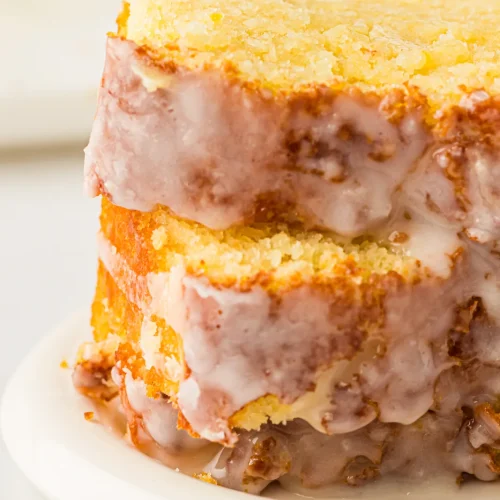
Only once the lemon pound cake is completely cold. Glaze on a warm cake soaks straight in and you lose the white finish entirely.
How long does it keep?
Two days at room temperature, five in the fridge, and two months in the freezer unglazed. Meanwhile the flavour actually improves on day two.
Ingredients
For the Cake
- 1 cup unsalted butter softened, 227 g
- 1 3/4 cups granulated sugar 350 g
- 4 large eggs room temperature
- 2 cups all-purpose flour 250 g
- 1/2 teaspoon baking powder
- 1/2 teaspoon salt
- 2 lemons zest only
- 1/4 cup fresh lemon juice 60 ml
- 1/2 cup whole milk 120 ml
- 1 teaspoon vanilla extract
For the Glaze
- 1 cup powdered sugar 120 g
- 2 to 3 tablespoons fresh lemon juice 30 to 45 ml
Instructions
- Preheat the oven to 350°F (175°C). Grease and line a standard loaf pan with parchment paper.
- In a large bowl, beat the butter and sugar together for a full 5 minutes until pale and fluffy.

- Add the eggs one at a time, beating well after each addition.
- In a separate bowl, whisk together the flour, baking powder, and salt.
- Add the dry ingredients to the batter alternately with the milk, mixing just until combined.
- Stir in the lemon zest, lemon juice, and vanilla extract.
- Pour the batter into the prepared pan and smooth the top.
- Bake for 50 to 60 minutes, until a skewer inserted into the centre comes out clean.
- Cool the cake in the pan for 15 minutes, then transfer to a wire rack to cool completely.
- In a small bowl, whisk together the powdered sugar and lemon juice until smooth and pourable.
- Drizzle the glaze over the completely cooled cake.
- Garnish with lemon slices or extra zest before slicing and serving.