 Bity
Bity
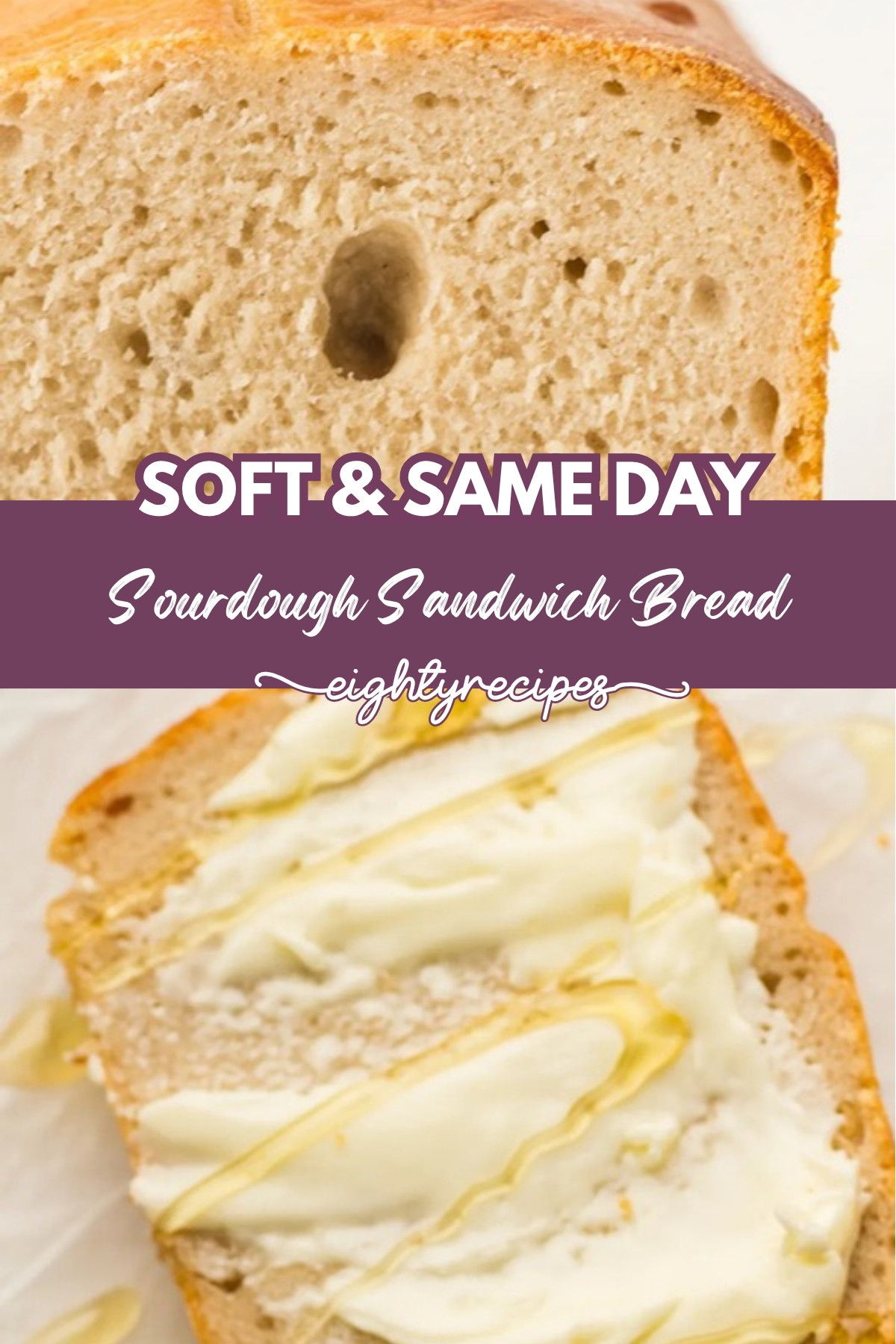
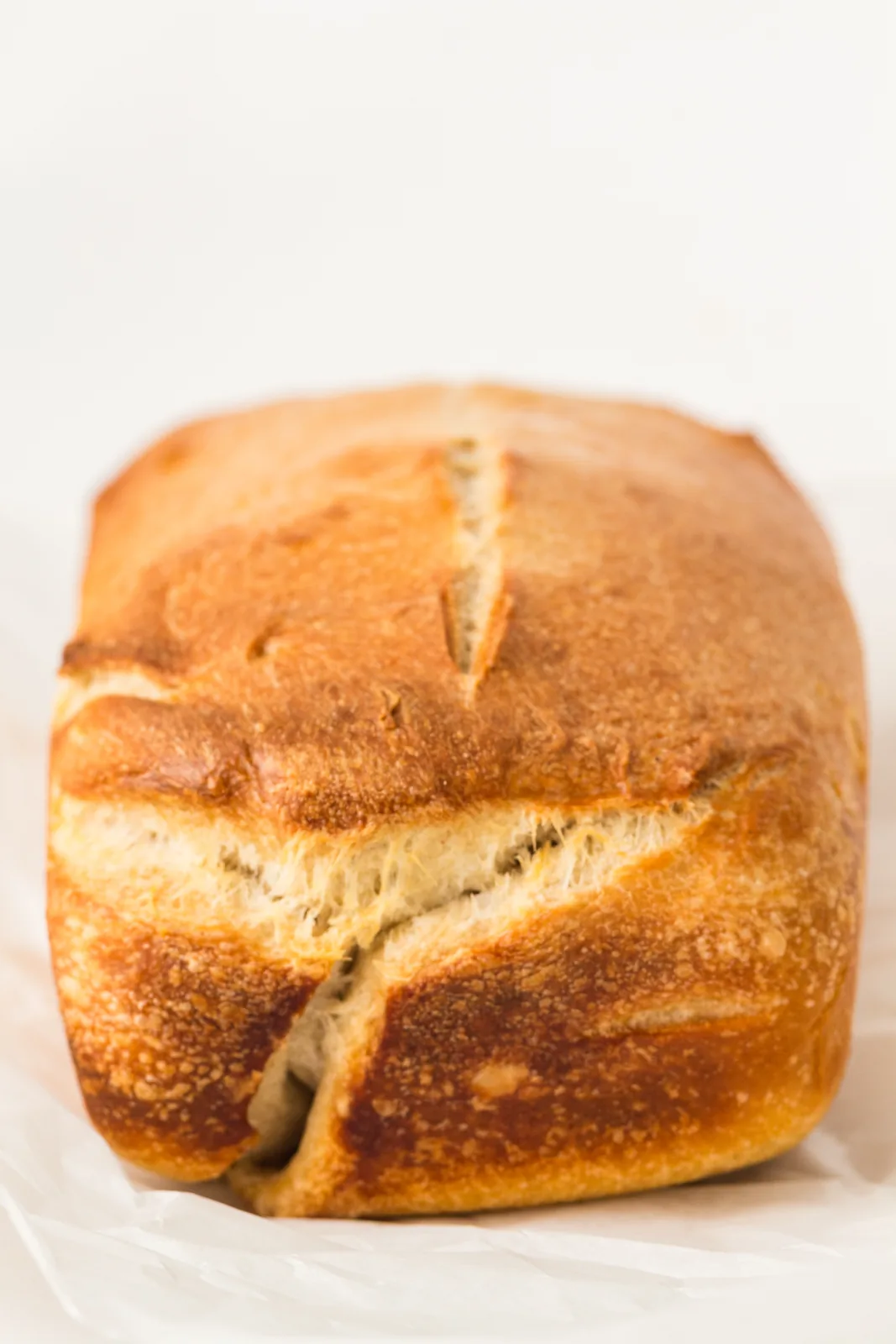
This sourdough sandwich bread is the loaf that finally got my family to stop buying supermarket bread, and it is nothing like the crusty boule most people picture when they hear the word sourdough. It is soft, slightly sweet from honey, enriched with butter, and it slices thin without tearing.
It also fits into a normal day. Because the dough is enriched and the starter is active, the whole thing takes three to five hours rather than an overnight ferment, so you can start after breakfast and have a loaf by mid afternoon.
Quick Breakdown
Why You’ll Love This Sourdough Sandwich Bread
- Soft enough for children. Butter and honey give a tender crumb and a thin crust rather than a jaw-testing one.
- Same day, no overnight ferment. Because the dough is rich and the starter is bubbly, two rises of a couple of hours are enough.
- It slices properly. A tin loaf gives you flat, even slices that behave in a sandwich and fit a toaster.
- Only six ingredients. In fact, five of them are already in your kitchen if you keep a starter going.
- Fourteen slices. Meanwhile it freezes sliced, so nothing goes stale.
Ingredient Notes
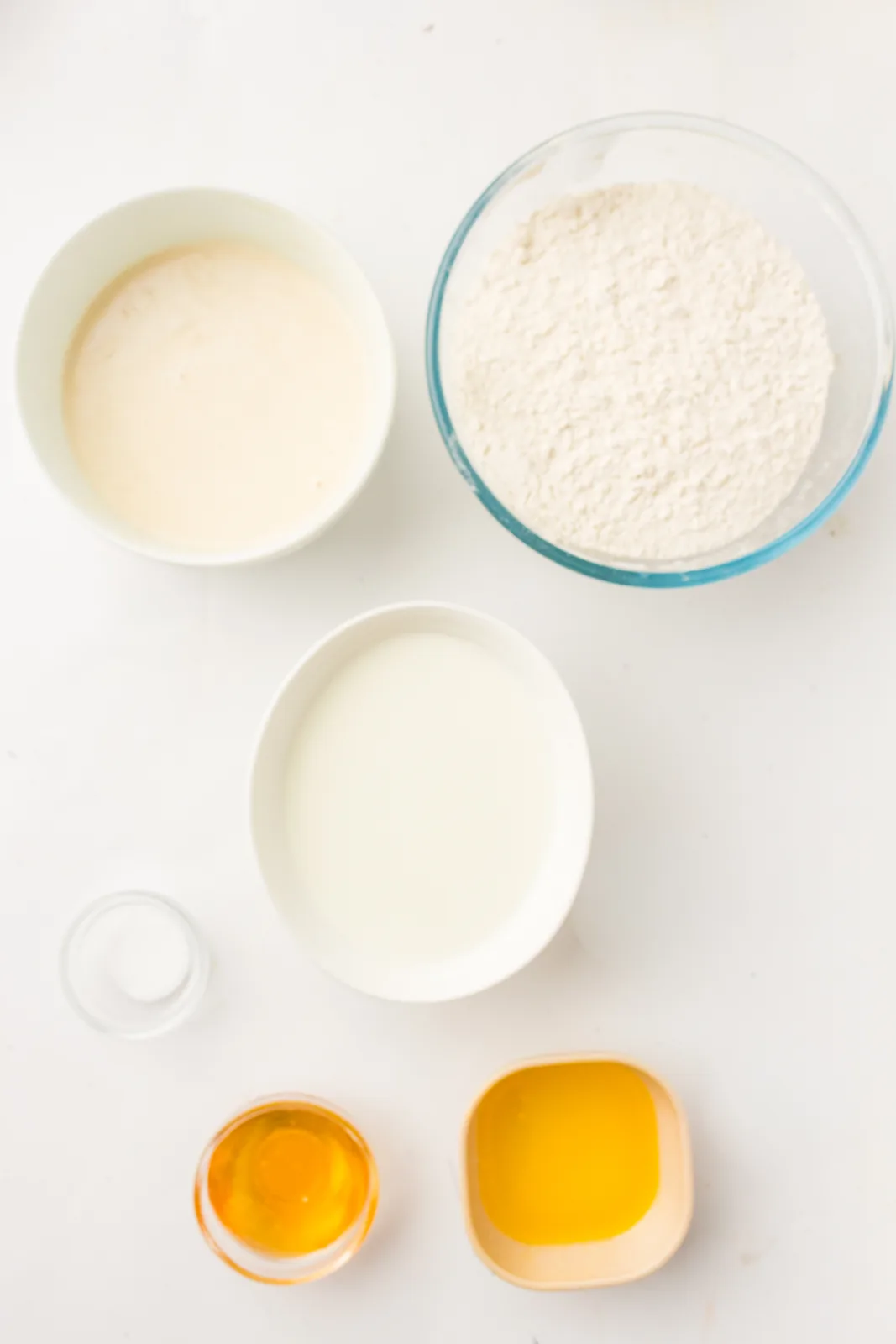
- Active sourdough starter. Bubbly and recently fed, ideally at its peak four to six hours after feeding. However, discard straight from the fridge has almost no lift and will give you a brick.
- Bread flour. The extra protein is what lets a soft, enriched dough still climb above the rim of the tin. Plain flour works but the loaf will be shorter and squatter.
- Melted butter. Melted and cooled slightly, so it does not shock the starter. Because fat coats the flour, it shortens the gluten strands and softens the crumb.
- Honey. Two tablespoons. It feeds the wild yeast, browns the crust, and takes the sour edge off, which is exactly what you want in a sandwich loaf.
- Fine sea salt. Nine grams sounds precise because it matters. Too little and the loaf tastes flat, too much and the rise drags.
- The fermentation itself. Long fermentation changes the dough in useful ways, and Cleveland Clinic sets out what sourdough actually does and does not do.
If you are only just getting a starter going, a sourdough starter kit puts the basic tools in one box and makes the daily feeding routine much tidier.
How This Differs From an Artisan Sourdough Loaf
An artisan boule is lean, and it is a different animal from sourdough sandwich bread. Flour, water, salt, starter, nothing else, baked hot in a Dutch oven to force an open, irregular crumb and a thick, blistered crust. It is glorious, and it is a nightmare to make a school sandwich with.
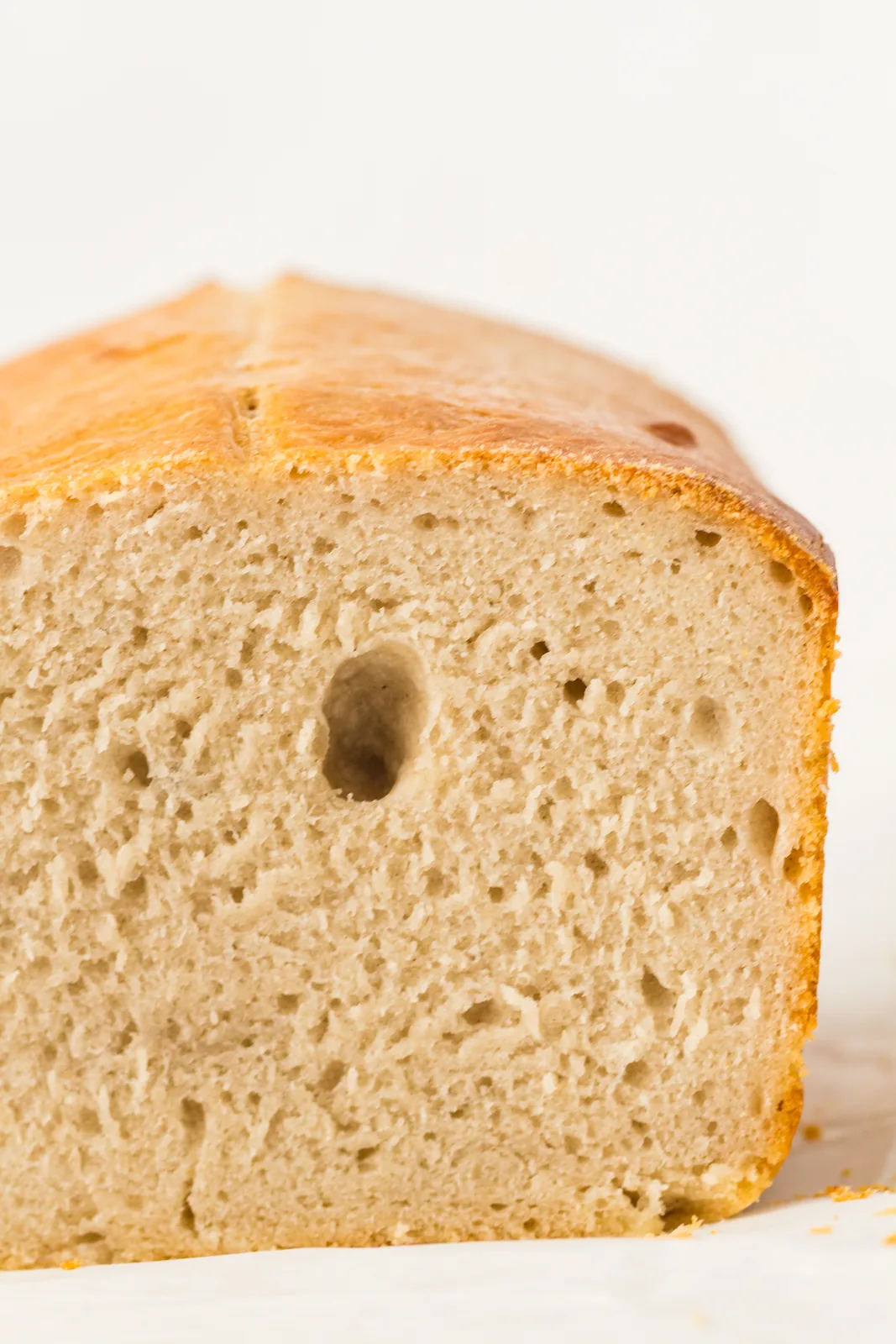
This one is enriched instead. Butter and honey soften the crumb and close it up, so the holes are small and even and nothing falls through them. Meanwhile baking it in a loaf tin at a gentler 190C gives a thin crust you can bite through easily.
So think of them as two different breads that happen to share a starter. If you want the crusty, open-crumbed version with a long overnight rise, that is a separate recipe and a separate afternoon.
How to Tell When the Second Rise Is Done
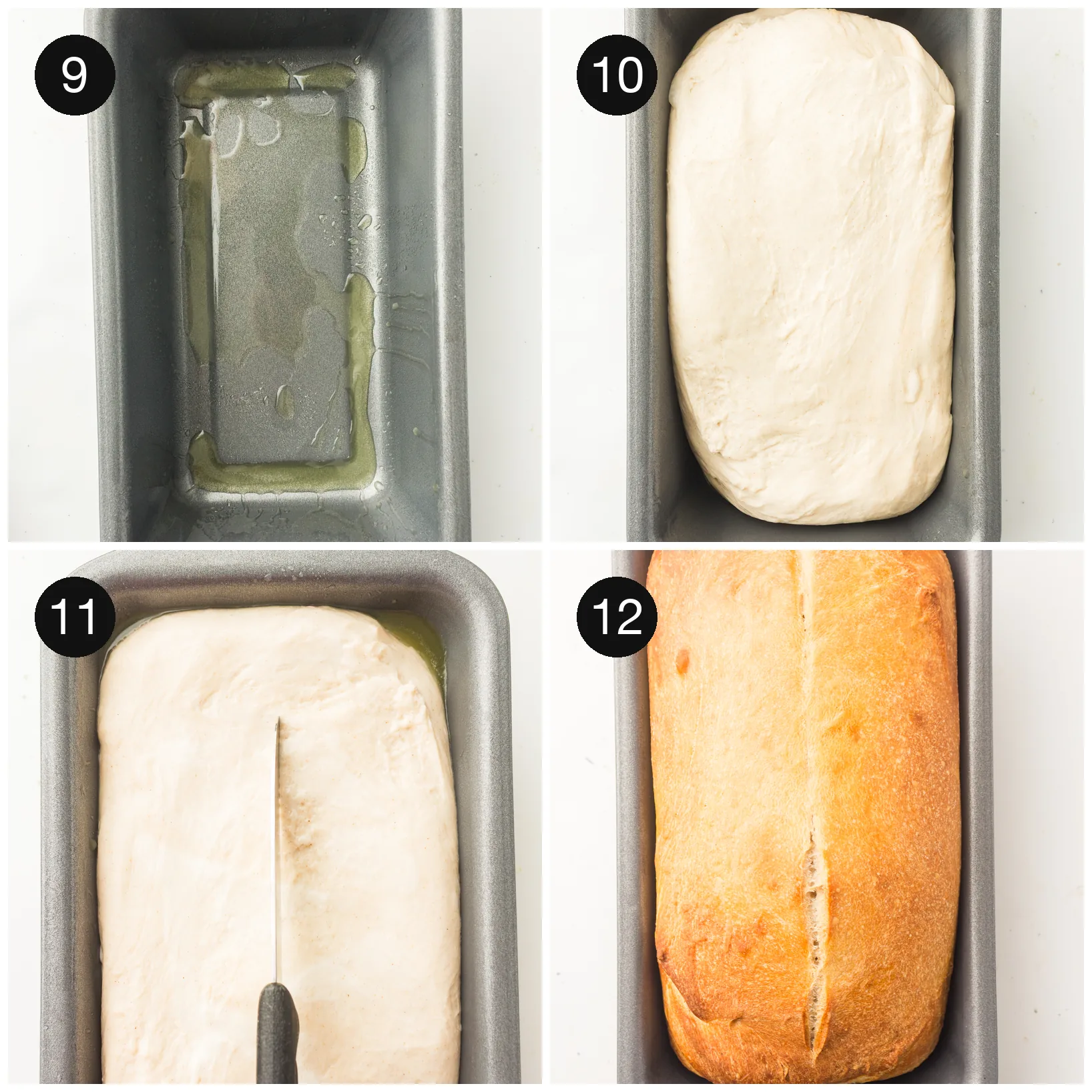
Clock times are a rough guide at best for sourdough sandwich bread, because starter strength and kitchen temperature change everything. What you are actually watching for is the dough doming about an inch above the rim of the tin.
The poke test settles it. Press a floured finger gently into the side of the dough. If the dent springs back slowly and only partly, it is ready. If it springs straight back it needs longer, and if it collapses and stays put it has over-proved.
Still, err slightly under rather than over. An under-proved loaf will push up in the oven, whereas an over-proved one sinks in the middle and there is no saving it.
How To Make Sourdough Sandwich Bread
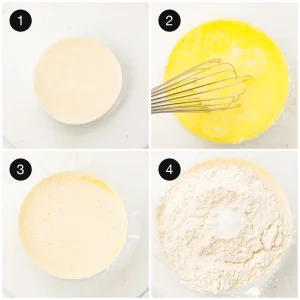
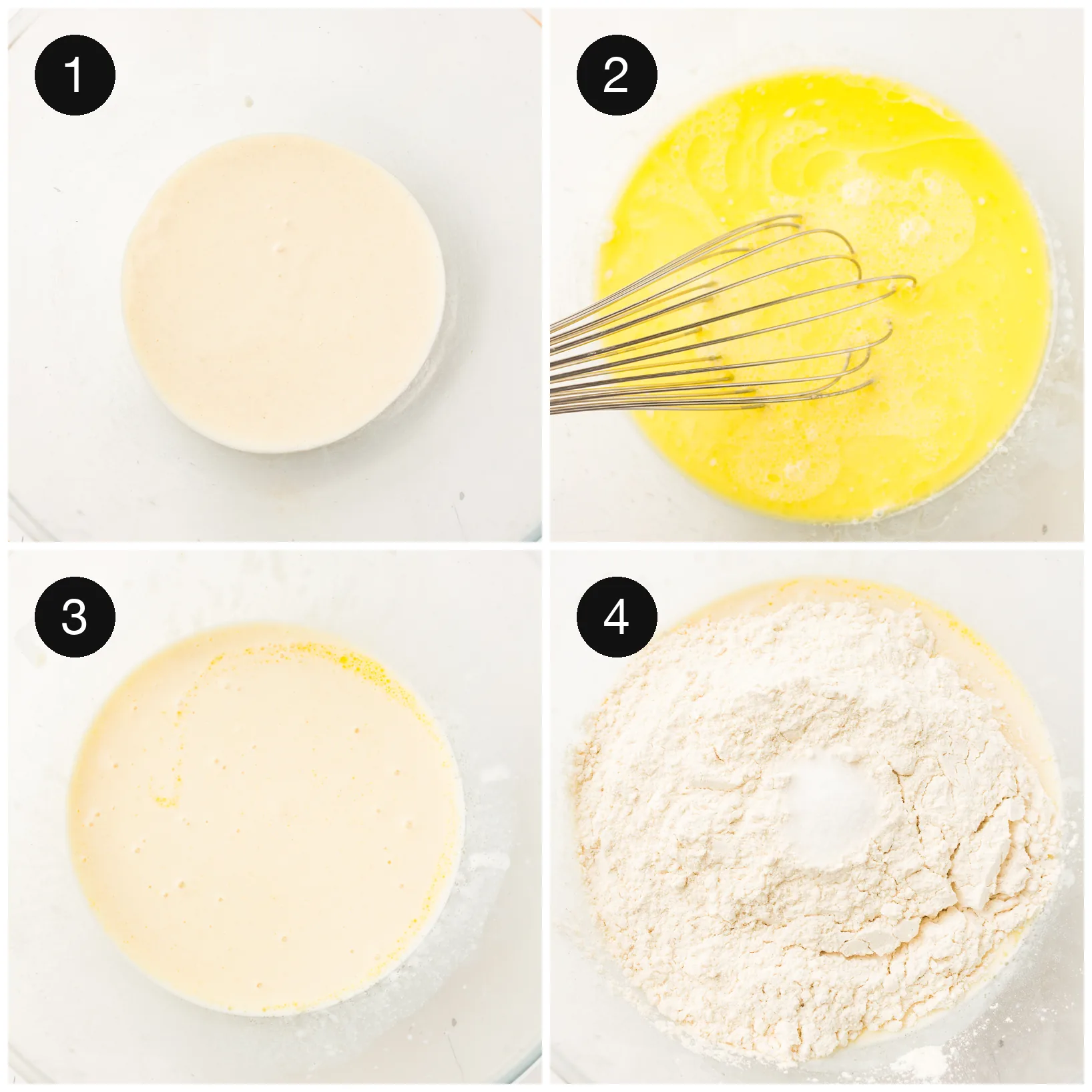
1. Mix the wet ingredients. First whisk the active starter, warm water, melted butter, and honey together in a large bowl until mostly smooth.
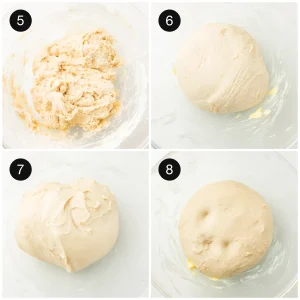
2. Add the flour and salt. Next tip in the bread flour and the salt, then stir with a wooden spoon until a shaggy, untidy dough comes together.
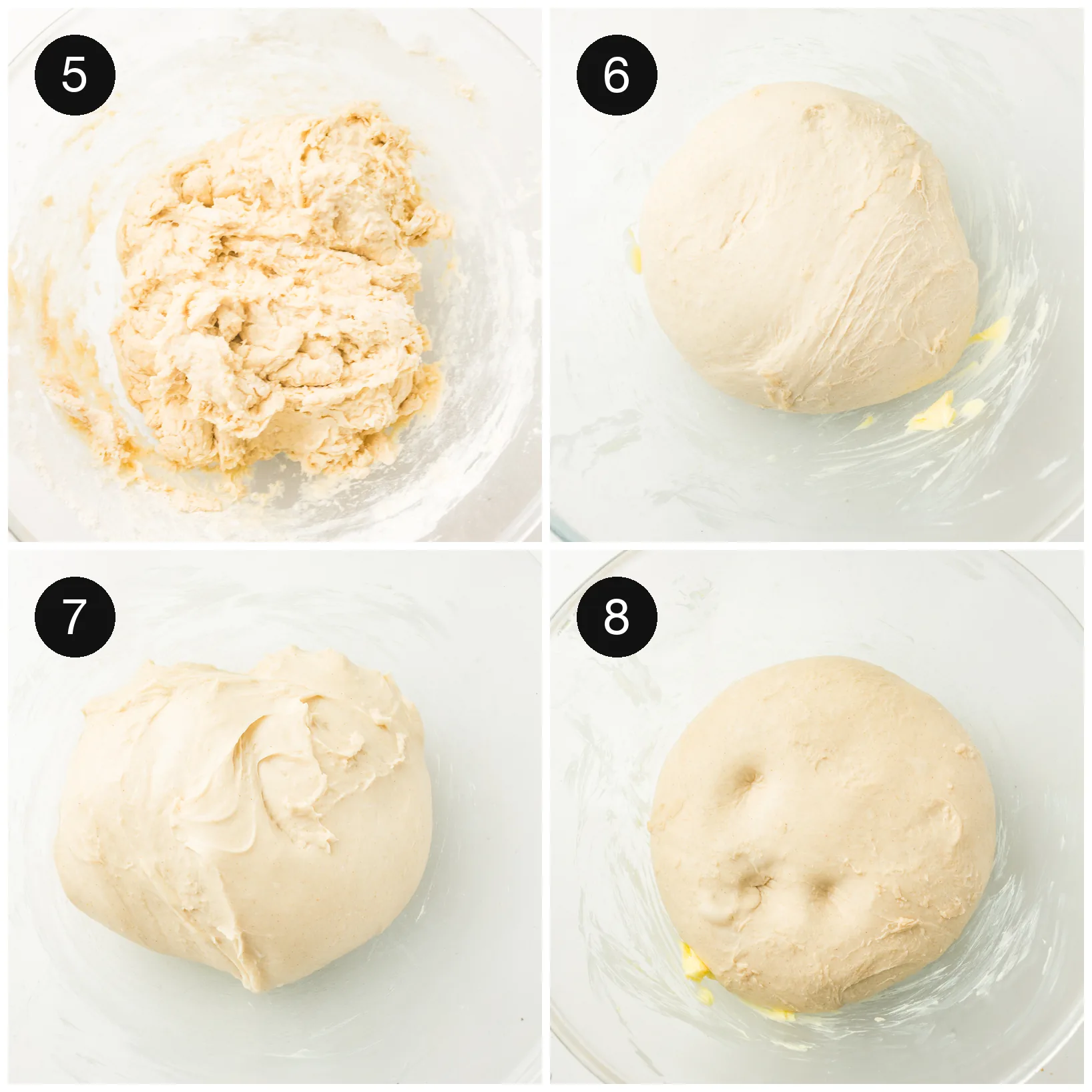
3. Knead until smooth. Then turn it onto a lightly floured surface and knead for 8 to 10 minutes, or use a stand mixer with a dough hook for about 6 minutes on medium-low. It should feel soft and slightly tacky, never sticky.
4. First rise. After that place the dough in a buttered bowl, cover it, and leave it at room temperature until it has grown by about half again in size. This takes 2 to 4 hours depending on your starter and your kitchen.
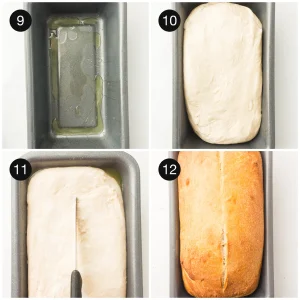
5. Shape and prove. Meanwhile grease a loaf tin. Shape the dough into a tight log, drop it in seam side down, cover, and leave it until it domes about an inch above the rim.
6. Bake and cool. Finally heat the oven to 190C and bake for 35 to 40 minutes, until deep golden and hollow-sounding when tapped underneath. Turn it straight out onto a rack and let it cool completely before slicing.
Mistakes That Give You a Dense Loaf
- A sleepy starter. This is the number one cause. Feed it and use it at its peak, when it is domed and full of bubbles.
- Rushing the second rise. Because the dough is enriched, it proves more slowly than a lean one. Watch the dough, not the clock.
- Too much flour on the bench. Extra flour worked into the dough tightens the crumb noticeably.
- Slicing it warm. The interior is still setting, and a knife drags it into a gummy paste.
- A cold kitchen. Below 18C the whole process stalls. Use the oven with the light on as a proving box.
Tips for the Best Sourdough Sandwich Bread
- Weigh everything. In fact, 500 g of flour to 240 g of starter is the ratio sourdough sandwich bread lives or dies by.
- Use an 8.5 by 4.5 inch tin if you have one. As a result the loaf climbs taller and gives you a better sandwich shape.
- Brush the hot crust with a little melted butter as it comes out for a softer top.
- If your starter is sluggish, increase it to 300 g and drop the water to 200 ml. Meanwhile give the dough an extra hour.
- An internal temperature of 96C is the reliable doneness test. Otherwise tap the base and listen for a hollow sound.
Storage and Reheating
- Room temperature. Keep the sourdough sandwich bread cut side down in a bread bin or bag for up to 3 days. However, avoid the fridge, which stales bread faster than the counter does.
- Freezing. Slice the cooled loaf first, then freeze in a sealed bag for up to 2 months. As a result you can take out one slice at a time.
- Reheating. Toast frozen slices straight from the freezer. Meanwhile a whole loaf revives with 8 minutes at 180C.
Variations and Substitutions
- Part wholemeal. Swap 100 g of the bread flour for wholemeal and add a splash more water, since it drinks more.
- Maple instead of honey. Same quantity, slightly different flavour, and it keeps the loaf vegan-friendly if you also swap the butter for oil.
- Seeded top. Brush the proved loaf with water and scatter oats or sesame seeds before it goes in the oven.
- A richer loaf entirely. If you want something closer to cake than bread, my bread machine brioche goes much further with the butter. Fermented foods get a lot of attention, and Harvard Health weighs up how much of the hype holds up.
What to Serve With This Loaf
Sandwiches first, since that is what sourdough sandwich bread is for. Piled with homemade deli meat, lettuce, and mustard it holds together far better than a shop bought slice.
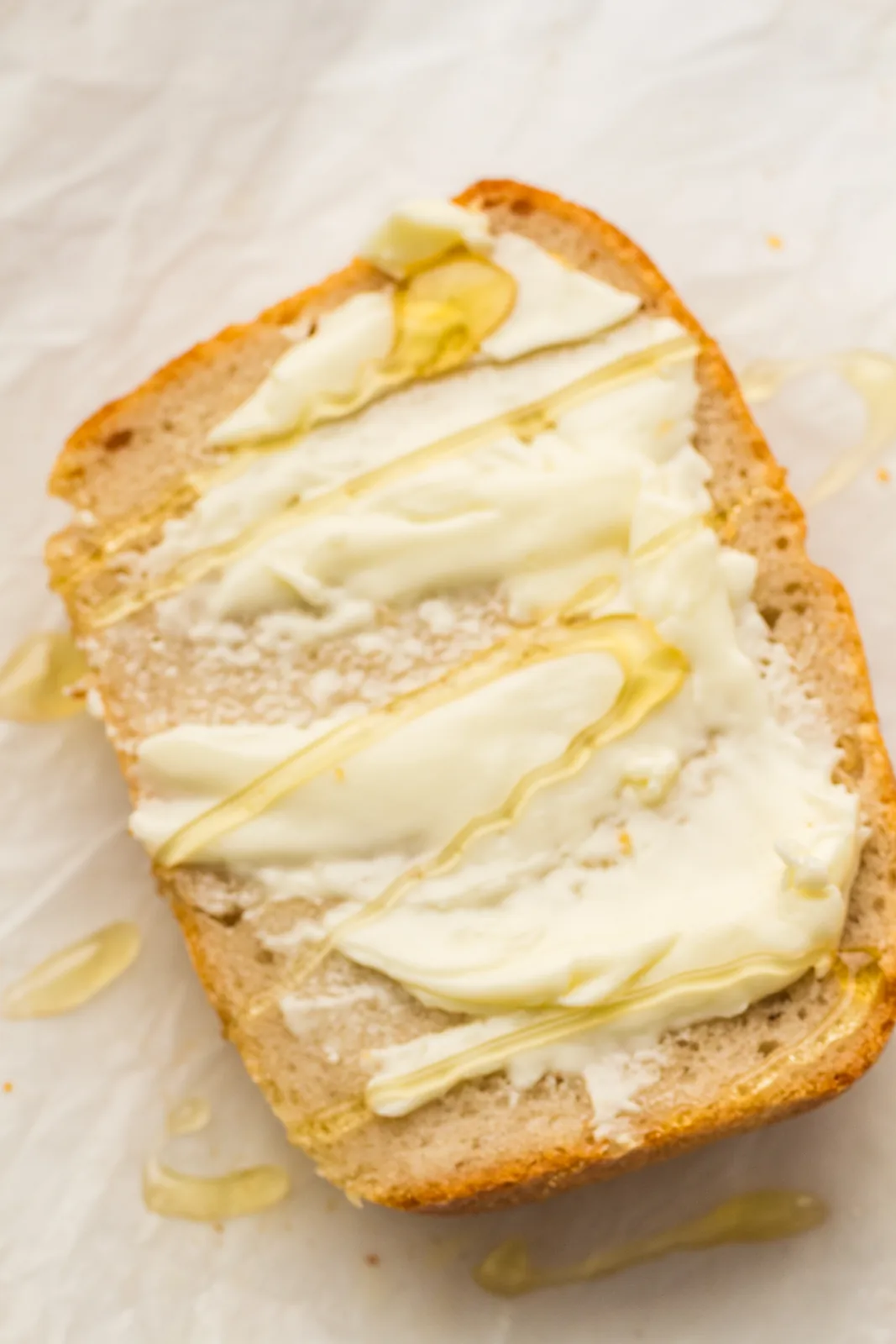
Toasted and buttered, it is also the right thing next to a bowl of instant pot chicken noodle soup. In addition, if you want something softer for the same table, soft dinner rolls use a similar shaping method.
Frequently Asked Questions
Starter and Method
What is the difference between sourdough bread and a sourdough sandwich loaf?
Enrichment and shape. A sandwich loaf carries butter and honey and bakes in a tin, which gives a soft, tight crumb. A classic sourdough is lean and free-formed, with a thick crust and big irregular holes.
Can I use discard instead of active starter?
Not for this one. Because discard has already spent its energy, the loaf will be dense. Feed the starter and wait until it is bubbly and domed.
Why did my dough barely rise?
Almost always a weak starter, sometimes a cold kitchen. Instead of pushing on, feed the starter twice and try again the next day.
Can I use all-purpose flour?
Yes, though the loaf will be softer and shorter. Bread flour gives more structure and a better chew.
Baking and Storage
How do I know when it is fully baked?
Deep golden on top and hollow when you tap the base. Of course, a thermometer is more reliable, and 96C in the centre means it is done.
Is it good for sandwiches?
That is exactly what sourdough sandwich bread is for. The crumb is close and even, so wet fillings do not soak straight through and the slices stay flat.
Can I freeze it?
Yes. Slice it first, then freeze in a sealed bag for up to two months and toast straight from frozen.
Ingredients
- 1 cup active sourdough starter 240 g, bubbly and recently fed
- 1 cup warm water 240 ml
- 3 tablespoons unsalted butter melted and slightly cooled, 45 g
- 2 tablespoons honey 30 ml
- 4 cups bread flour 500 g
- 1 1/2 teaspoons fine sea salt 9 g
Instructions
- In a large bowl whisk together the sourdough starter, warm water, melted butter, and honey until mostly smooth.

- Add the bread flour and salt. Stir with a wooden spoon until a shaggy dough forms.
- Turn the dough onto a lightly floured surface and knead for 8 to 10 minutes until smooth and elastic.
- Alternatively, knead using a stand mixer with a dough hook for about 6 minutes on medium-low speed.
- The dough should feel soft and slightly tacky but not sticky.
- Place the dough into a lightly buttered bowl and cover.
- Let the dough rise at room temperature until slightly puffy and increased in size by about 50 percent, usually 2 to 4 hours.
- Grease a loaf pan.
- Shape the dough into a loaf and place it into the prepared pan seam side down.
- Cover and allow the dough to rise again until it reaches about 1 inch above the rim of the pan.
- Preheat the oven to 375°F (190°C).
- Bake for 35 to 40 minutes until the loaf is golden brown and sounds hollow when tapped.
- Remove from the pan and allow the bread to cool completely on a wire rack before slicing.