 Bity
Bity
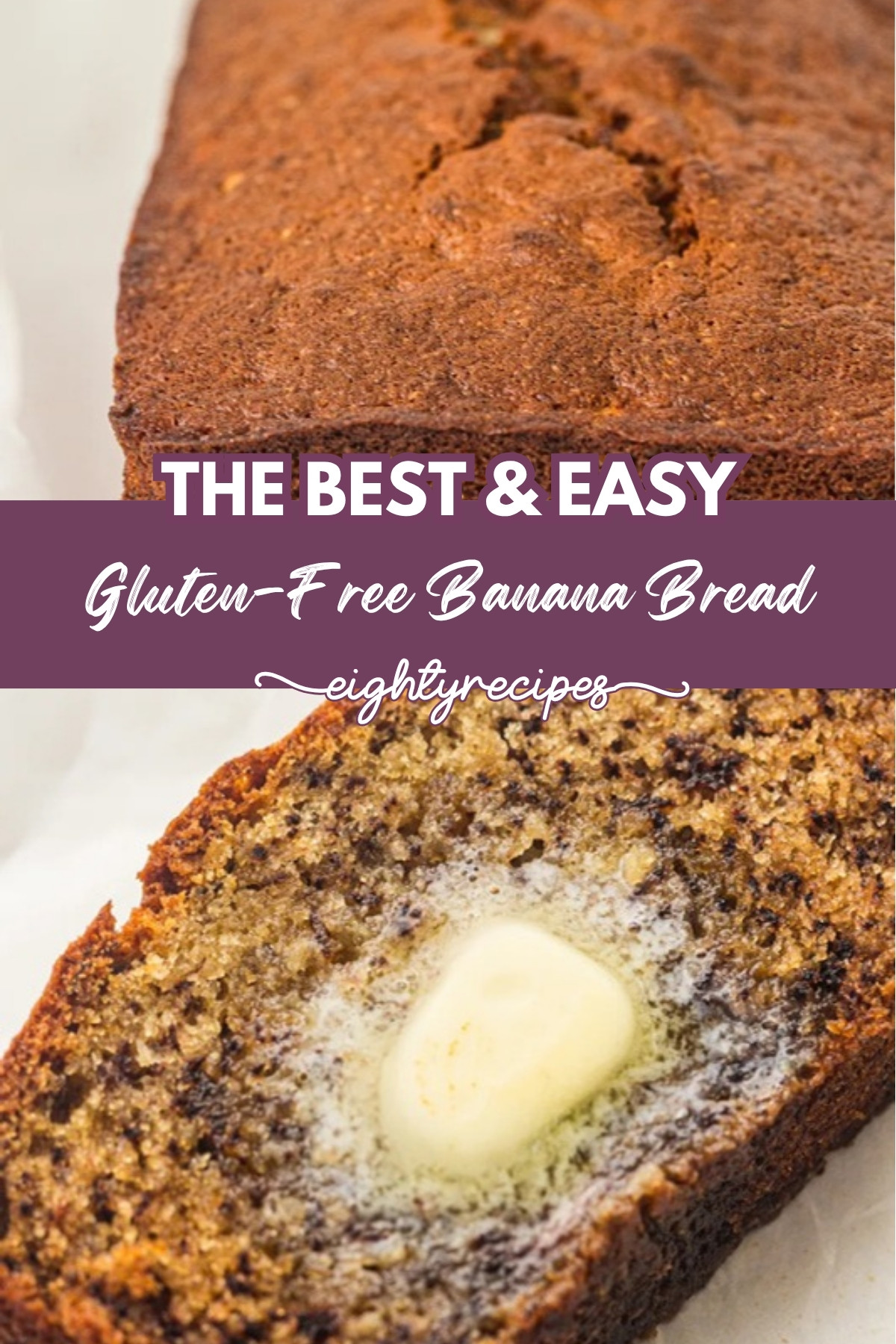
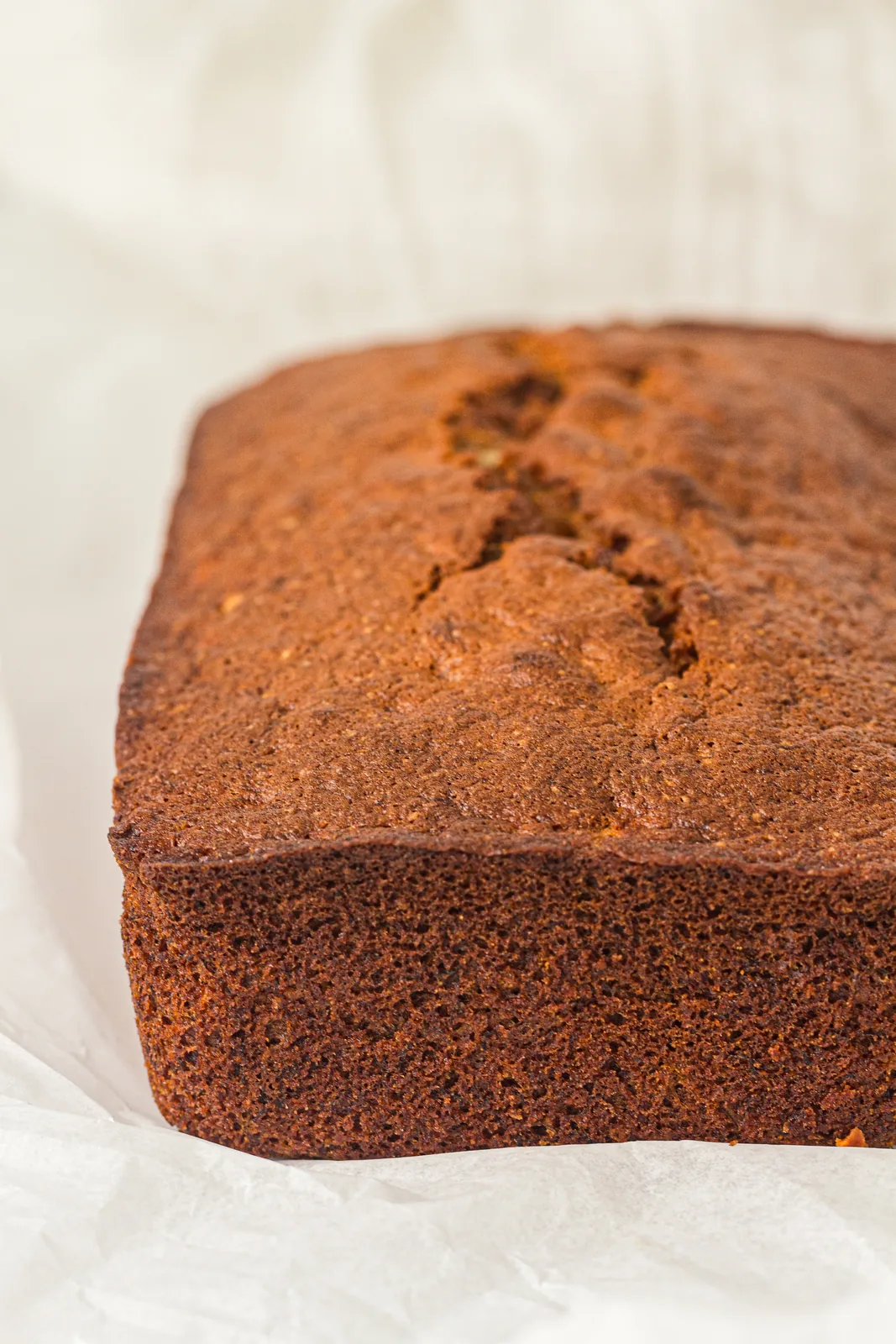
Most gluten free banana bread fails in one of two directions. It either comes out gummy and damp in the middle, or dry and crumbling the moment you slice it. This one lands between the two, and the reason is the bananas rather than anything clever.
Three properly black bananas carry the moisture, the sweetness and most of the flavour. Of course, the flour blend matters too, and I will be specific about what to look for on the packet.
Quick Breakdown
Why You’ll Love This Gluten Free Banana Bread
- One bowl for the wet, one for the dry. No mixer, no creaming, no faff.
- Eight ingredients. All of them are probably in the house already.
- It does not taste gluten free. Nobody who has eaten it has guessed.
- Freezes in slices. Toast them straight from frozen on a weekday morning.
- Very forgiving. Chocolate chips, nuts, blueberries, it takes all of them.
Ingredient Notes
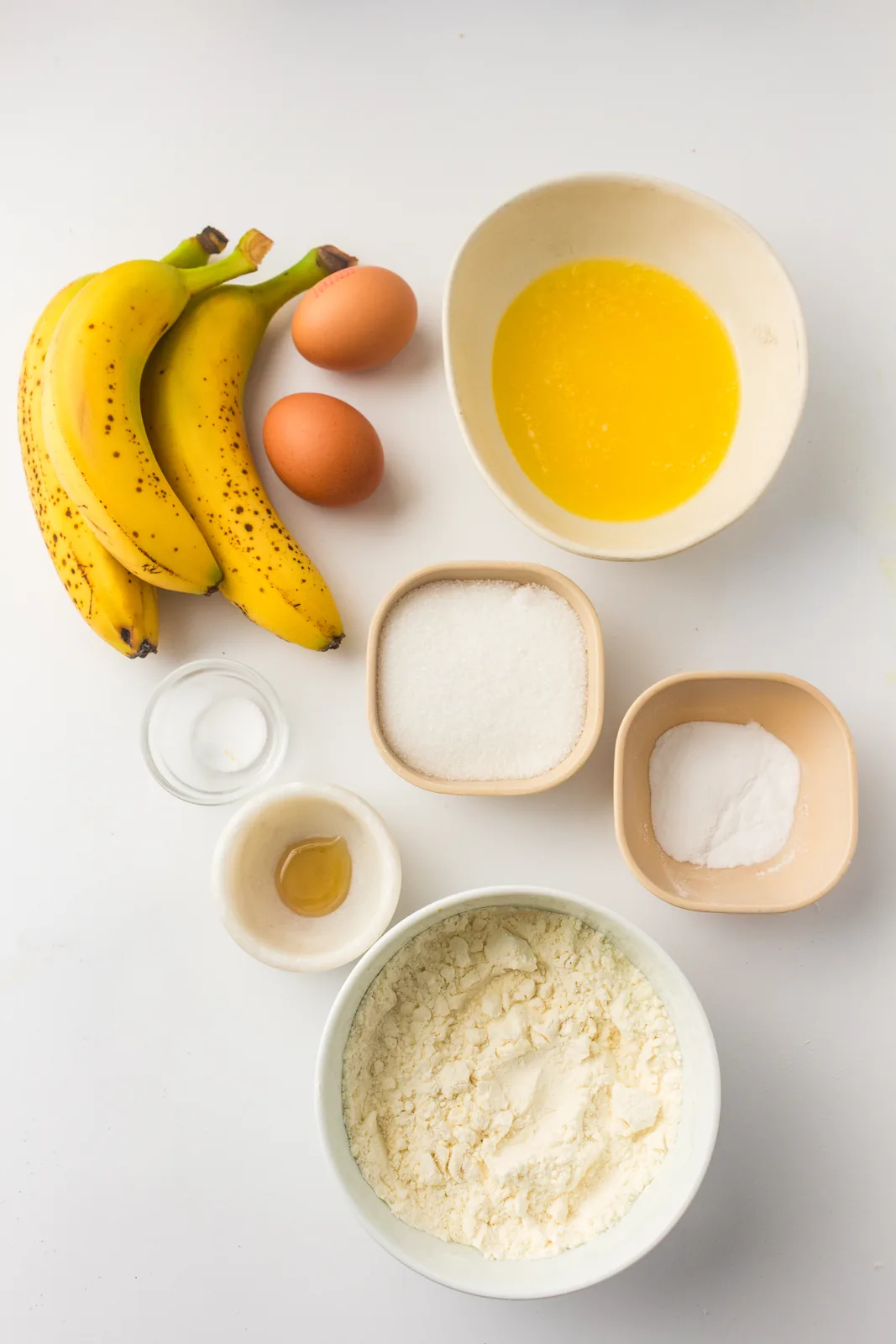
- Bananas. Three ripe ones, about 350g mashed. Black-spotted and slightly wrinkled is what you want. Underripe bananas are starchy rather than sweet, and they will not mash smooth.
- Gluten free flour. Use a cup-for-cup blend that already contains xanthan gum. If yours does not, add a quarter teaspoon, because without a binder the loaf will crumble as soon as it cools. A strict gluten free kitchen also means watching for cross-contamination in shared toasters and tins.
- Melted butter. A third of a cup. It gives a richer crumb than oil does, though oil works if you need it dairy free.
- Eggs. Two, at room temperature. Cold eggs seize the melted butter into little lumps.
- Baking soda. One teaspoon, and check it is in date. Old raising agents are the quiet reason a lot of loaves come out dense.
- Vanilla. A teaspoon rounds off the slight bean-y note some gluten free flours carry.
Will Gluten Free Flour Work in Banana Bread?
Yes, and gluten free banana bread is honestly one of the easiest bakes to convert. A loaf like this is dense and moist by design, so it never needed gluten’s structure the way a sandwich loaf does.
The one thing you cannot skip is the binder. Xanthan gum does the job gluten normally would, holding the crumb together so slices do not collapse. Most cup-for-cup blends already include it, so read the packet before you add more, since doubling up makes the texture slippery.
Measure by spooning flour into the cup and levelling it off. Because gluten free blends are denser than wheat flour, scooping straight from the bag can add 20% extra and gives you a dry, heavy loaf.
How To Make This Gluten Free Banana Bread
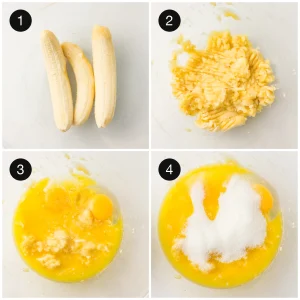
1. Heat the oven. First, preheat to 350°F (180°C) and grease a loaf tin or line it with parchment.
2. Mash the bananas. Next, mash them in a large bowl until mostly smooth. A few small lumps are fine and give pockets of banana in the finished loaf.
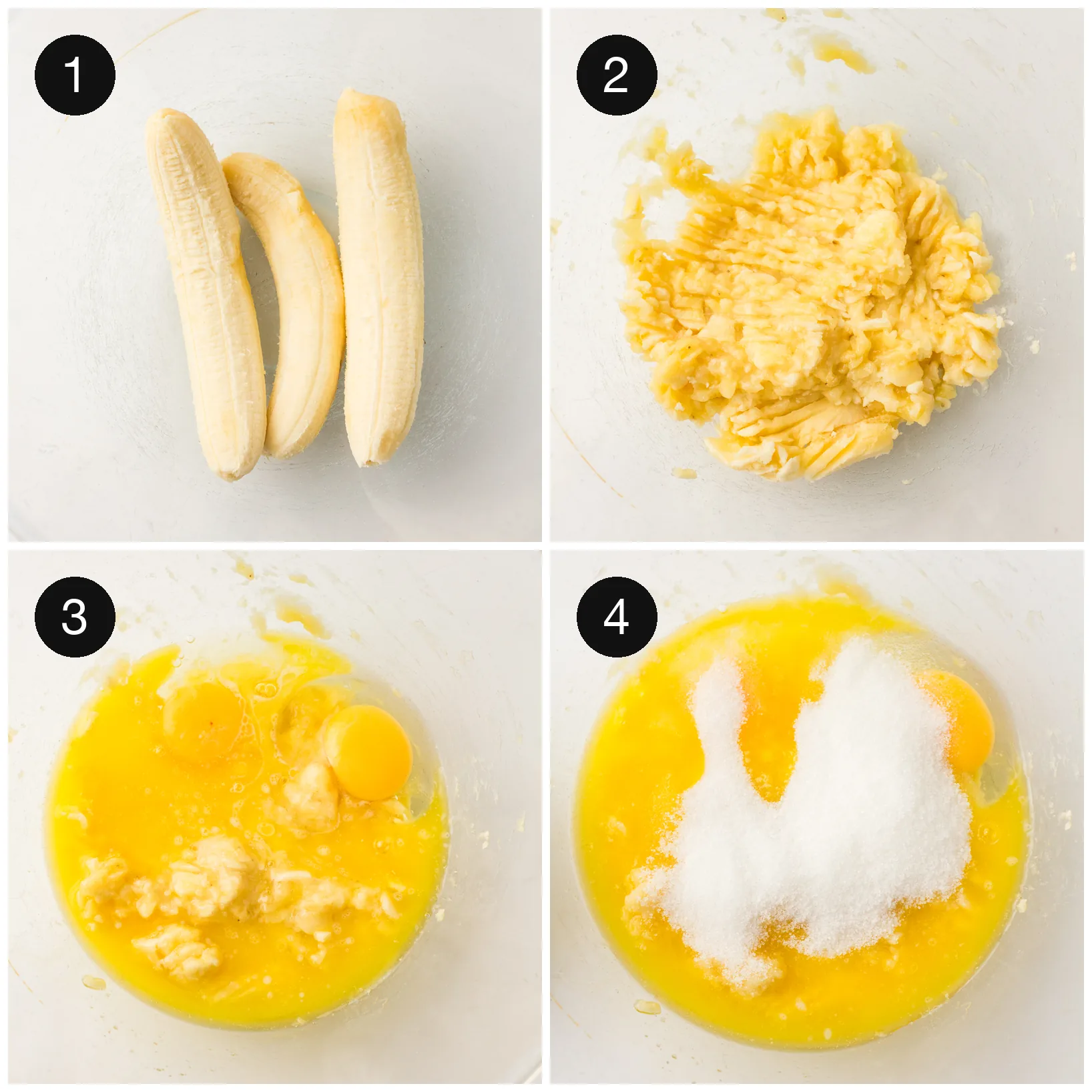
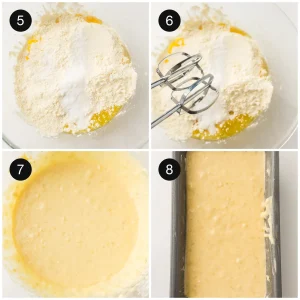
3. Add the wet ingredients. Then add the eggs, melted butter, sugar and vanilla, and mix until combined.
4. Combine the dry. After that, whisk the flour, baking soda and salt together in a separate bowl so the soda is evenly distributed.
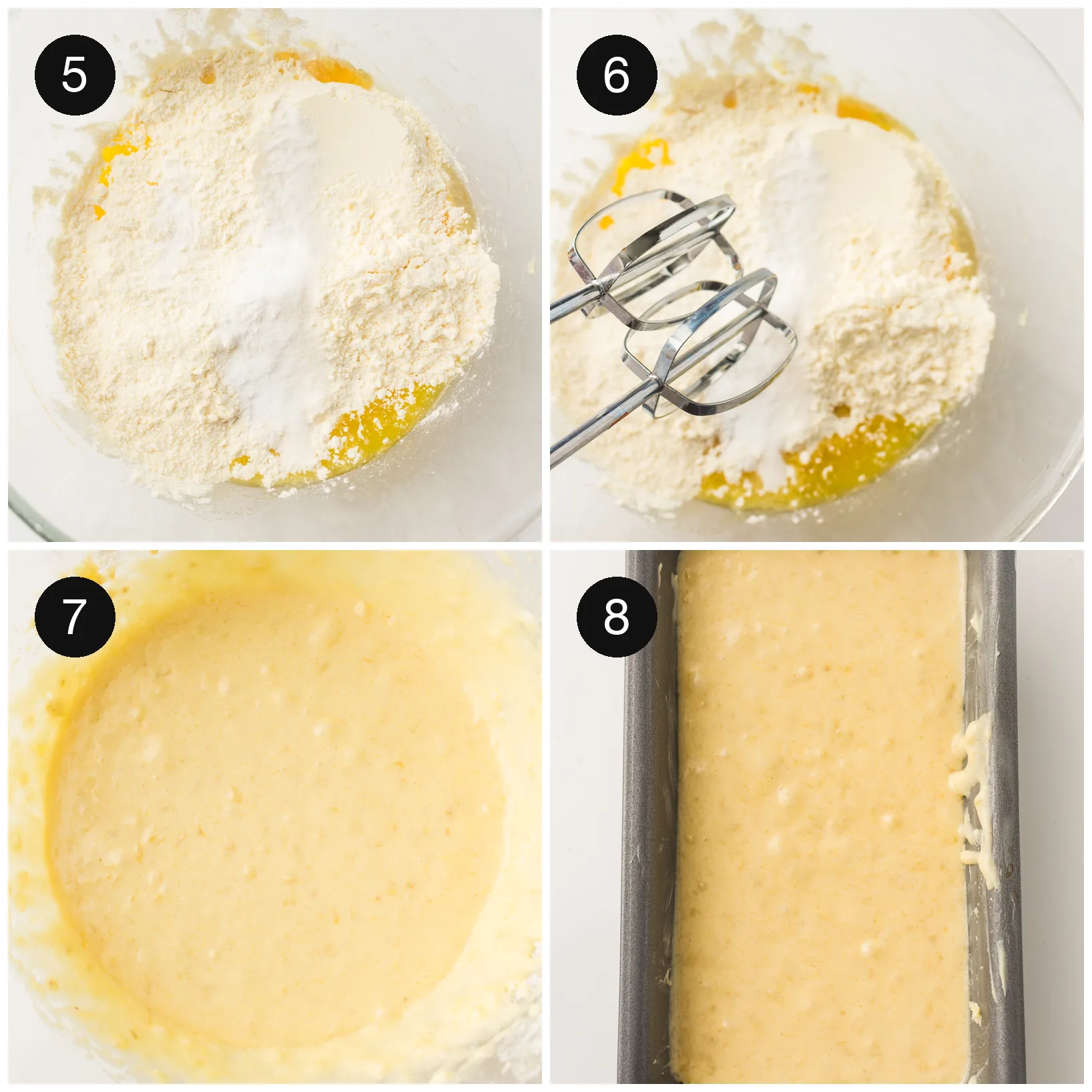
5. Bring them together. Now stir the dry into the wet until only just combined. Stop while it still looks slightly rough, because overmixing is what makes it gummy.
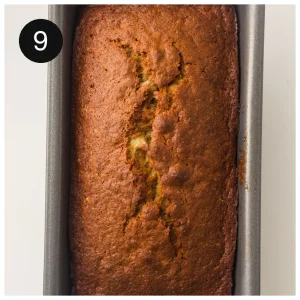
6. Bake. Pour into the tin and bake for 50 to 55 minutes, until a toothpick in the centre comes out clean.
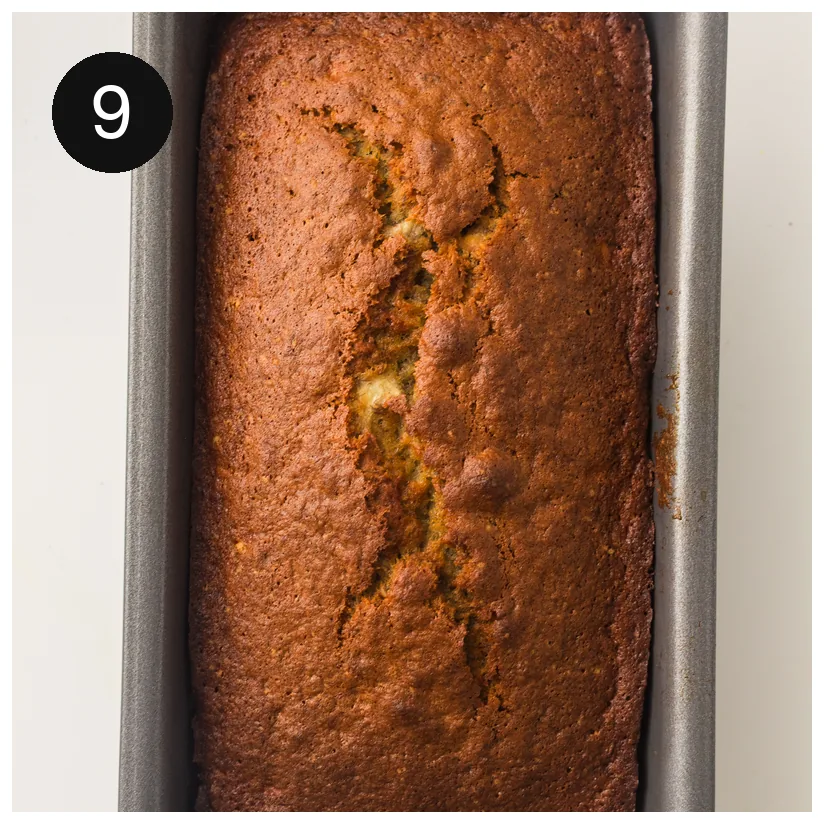
7. Cool properly. Finally, cool in the tin for 10 minutes, then turn out onto a rack and cool completely before slicing.
How to Keep It Moist and Not Gummy
Gummy gluten free banana bread comes from two places: overmixing and slicing too early. Once the flour is wet, every extra stir develops the starches and tightens the crumb, so mix until the streaks disappear and then put the spoon down.
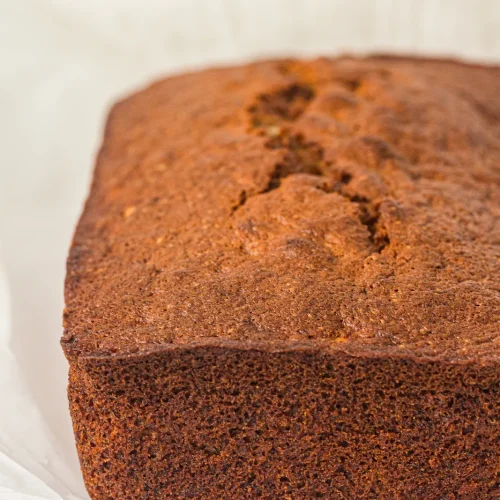
The cooling matters just as much. A gluten free loaf finishes setting as it cools, and cutting into it warm gives you a damp, claggy centre that would have been perfect an hour later. So let it go completely cold. Honestly, it is the hardest instruction in the recipe.
Tips for the Best Gluten Free Banana Bread
- Freeze bananas as they go past their best, then thaw and drain them slightly when you want to bake.
- Room temperature eggs and butter blend far more smoothly than cold ones.
- Tent the top with foil at around 40 minutes if it is browning faster than it is cooking.
- Weigh the flour if you can. 180g is more reliable than any cup measure.
- Toss chocolate chips or nuts in a spoonful of the flour first so they do not sink.
- Test in two places. The centre of a loaf tin can lag behind the rest.
Storage Options
- Room temperature. Airtight for up to three days.
- Fridge. Up to five days, though it firms up and is better toasted.
- Freezer. Slice first, then freeze for up to two months with parchment between the slices.
- Reheating. Toast frozen slices straight from the freezer, or warm briefly in a low oven.
Variations and Substitutions
- Chocolate chips. Half a cup, stirred in at the end. The most requested version in this house.
- Nuts. Walnuts or pecans for texture, much like the ones in these no-bake peanut butter oat balls.
- Dairy free. Swap the butter for coconut oil or a non-dairy spread.
- Regular flour. If gluten is not an issue, plain flour works one for one.
- Less sugar. Drop to a third of a cup if the bananas are very ripe.
- Muffins. Same batter, 20 to 25 minutes in a muffin tin.
What to Serve With Gluten Free Banana Bread
Warm, in thick slices, with butter melting into it. That is the whole serving suggestion and it is hard to beat. Still, peanut butter or a drizzle of honey both work if you want something more substantial for breakfast.
Alongside coffee it makes a proper afternoon plate, especially next to something soft like homemade dinner rolls if you are feeding a crowd. For pudding, a slice warmed with ice cream turns it into something closer to peach cobbler.
Frequently Asked Questions
Ingredients and Method
How ripe should the bananas be?
Very. Heavily brown-spotted, soft, and almost unpleasant to eat plain. Because ripening converts starch into sugar, those bananas are both sweeter and far easier to mash smooth.
Can I use regular flour instead?
Yes, one for one, if gluten is not a concern. In that case leave out any extra xanthan gum, since wheat flour brings its own structure.
What is the trick to good gluten free baking?
A blend with a binder, accurate measuring, and not overmixing. After that, patience while it cools does most of the remaining work.
Can I add chocolate chips or nuts?
Absolutely. Around half a cup of either. Toss them in a little of the measured flour first so they stay suspended rather than sinking to the bottom.
Baking and Storage
How do I know when it is done?
A toothpick pushed into the centre should come out clean or with a few dry crumbs. Still, ovens vary, so start checking at 50 minutes.
How do I stop it being gummy?
Mix only until the flour disappears, and cool the loaf completely before slicing. Instead of cutting it warm, wait. It genuinely changes the texture.
Can it be frozen?
Yes. Cool fully, slice, and freeze in an airtight bag for up to two months. Toasting from frozen works perfectly.
Can I make it dairy free?
Yes. Coconut oil or a non-dairy spread replaces the butter directly. The crumb is slightly less rich but still tender.
Ingredients
- 3 ripe bananas about 350 g mashed
- 2 eggs room temperature
- 1/3 cup melted butter 75 g
- 1/2 cup sugar 100 g
- 1 teaspoon vanilla extract 5 ml
- 1 1/2 cups gluten free flour 180 g, blend with xanthan gum
- 1 teaspoon baking soda 5 g
- 1/2 teaspoon salt 3 g
Instructions
- Preheat the oven to 350°F (180°C).
- Grease a loaf tin or line it with parchment paper.
- In a bowl, mash the bananas until smooth.

- Add the eggs, melted butter, sugar and vanilla extract. Mix until well combined.
- In another bowl, mix the gluten free flour, baking soda and salt.
- Stir the dry ingredients into the banana mixture until just combined. Do not overmix.
- Pour the batter into the prepared loaf tin.
- Bake for 50 to 55 minutes, or until a toothpick inserted in the centre comes out clean.
- Cool in the pan for 10 minutes, then transfer to a wire rack and cool completely before slicing.