
 Bity

These sourdough recipes are the ones that keep my starter earning its place on the worktop: chewy cookies, snappy crackers, crisp waffles, soft rolls, a crackling loaf and a Friday night pizza base. All eleven come from my own kitchen, so every link below takes you to a recipe I have tested, photographed and eaten far too much of.
In short, this roundup collects 11 bakes from one jar of starter: five use unfed discard, five need an active starter and one uses a stale sourdough loaf. The quickest, the waffles, take about 20 minutes, while the loaves and doughs need 4 to 13 hours including rising.
I have grouped them honestly, because nothing is more annoying than a “discard” recipe that quietly needs a fed starter. First come the bakes that happily use unfed discard straight from the fridge, then two breakfast favourites, then the breads and doughs that need a bubbly, active starter to rise. After that you will find a week of baking from one jar, my best tips and the questions readers ask me most.

Quick Breakdown
Discard or Active Starter? How I Sorted These Sourdough Recipes
Discard is simply the portion of starter you pour off before a feed. Because its yeast is tired, it has plenty of flavour and acidity but almost no rising power, so it shines in bakes where baking soda or baking powder does the lifting. King Arthur has a lovely explainer on what sourdough discard is and how long it keeps, including the pink or orange streaks that mean a jar should go in the bin.
An active starter, on the other hand, has been fed and left to rise until it is domed and full of bubbles, usually four to eight hours later. That is the stuff that raises a loaf without any packet yeast. So, in short:
- Recipes 1 to 5 work with unfed discard. The waffles also take active starter if that is what you have.
- Recipe 6 needs an active starter, although I explain a discard workaround.
- Recipe 7 needs no starter at all, just a stale sourdough loaf.
- Recipes 8 to 11 need an active, bubbly starter, full stop.
Sourdough Discard Recipes (Unfed Starter Is Fine)
These five sourdough recipes are my answer to the jar that keeps growing in the fridge. Each one uses between half a cup and a full cup of discard, and none of them needs you to feed anything first.
1. Sourdough Discard Cookies
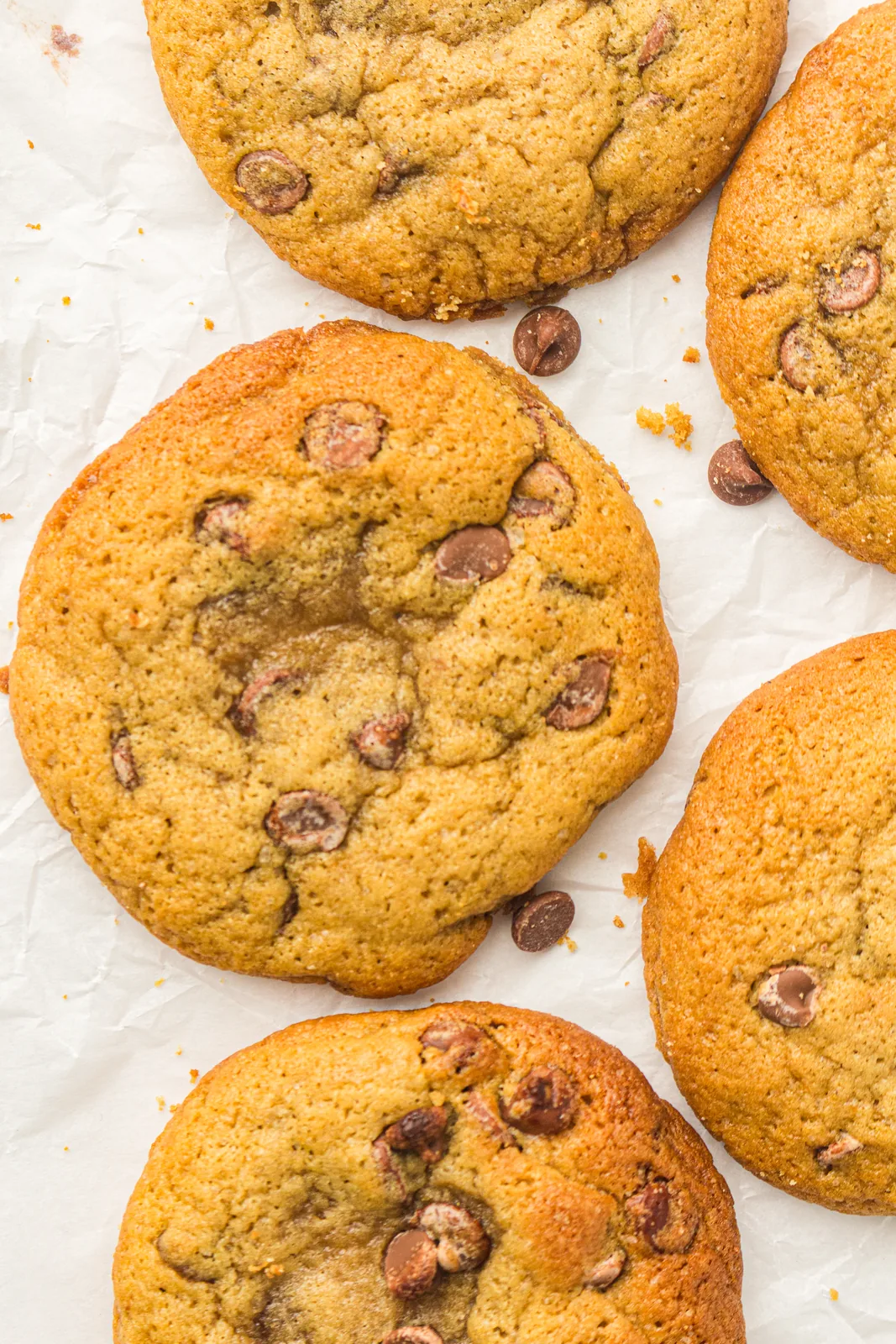
These sourdough discard cookies started as a way to stop tipping discard down the sink, and they have become the chocolate chip cookie I actually prefer. The acidity tenderises the flour, while the extra hydration keeps the middles thick and chewy. Honestly, there is just a faint tangy edge that stops them tasting like pure sugar, and nobody guesses the secret ingredient.
Get the Sourdough Discard Cookies recipe →
2. Sourdough Discard Crackers
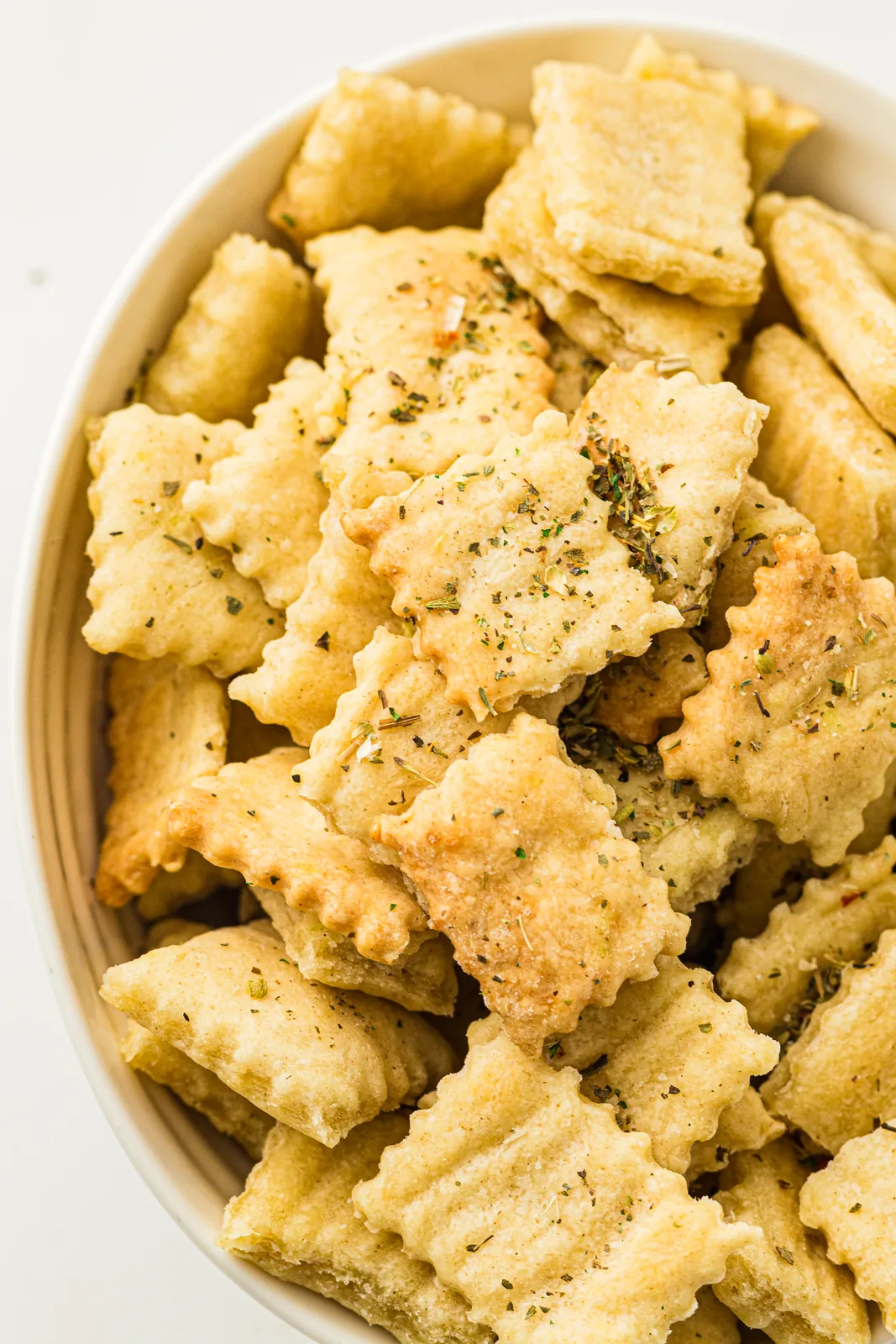
These crisp sourdough discard crackers are ready in about 30 minutes. My first batch was pale and bendy, so trust me on this: roll the dough thinner than feels sensible. Do that and you get crackers that shatter along the scored lines, with a savoury, almost cheesy sourness from the discard. They are five cupboard ingredients, and they disappear faster than any box from the shop.
Get the Sourdough Discard Crackers recipe →
3. Sourdough Discard Pancakes
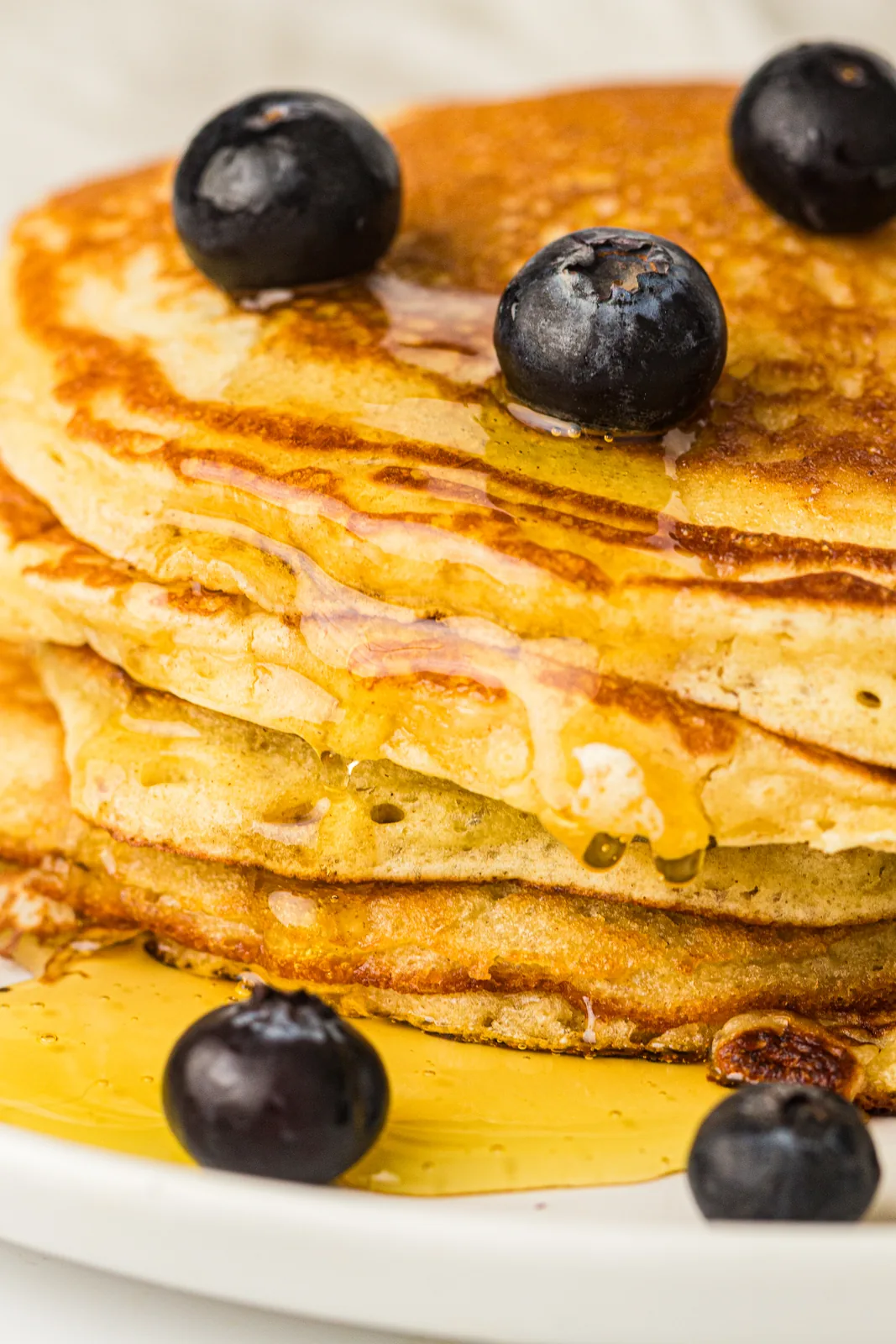
Sourdough discard pancakes are Saturday breakfast in our house, and the reason I stopped feeling guilty about discard. Because the starter is acidic, it reacts with the baking soda the moment they meet, so the batter puffs up beautifully in the pan. The pancakes come out soft and gently tangy, and they are better than the buttermilk ones I grew up on.
Get the Sourdough Discard Pancakes recipe →
4. Sourdough Discard Waffles

These sourdough discard waffles need no overnight rest, and the batter takes roughly as long to whisk as the iron takes to heat, which is exactly my kind of recipe. Week-old discard reacts hard with the soda, so the waffles lift and set into a shell that stays crisp on the plate. In fact, I make a double batch and freeze half for the school run.
Get the Sourdough Discard Waffles recipe →
5. Raspberry Sourdough Waffles
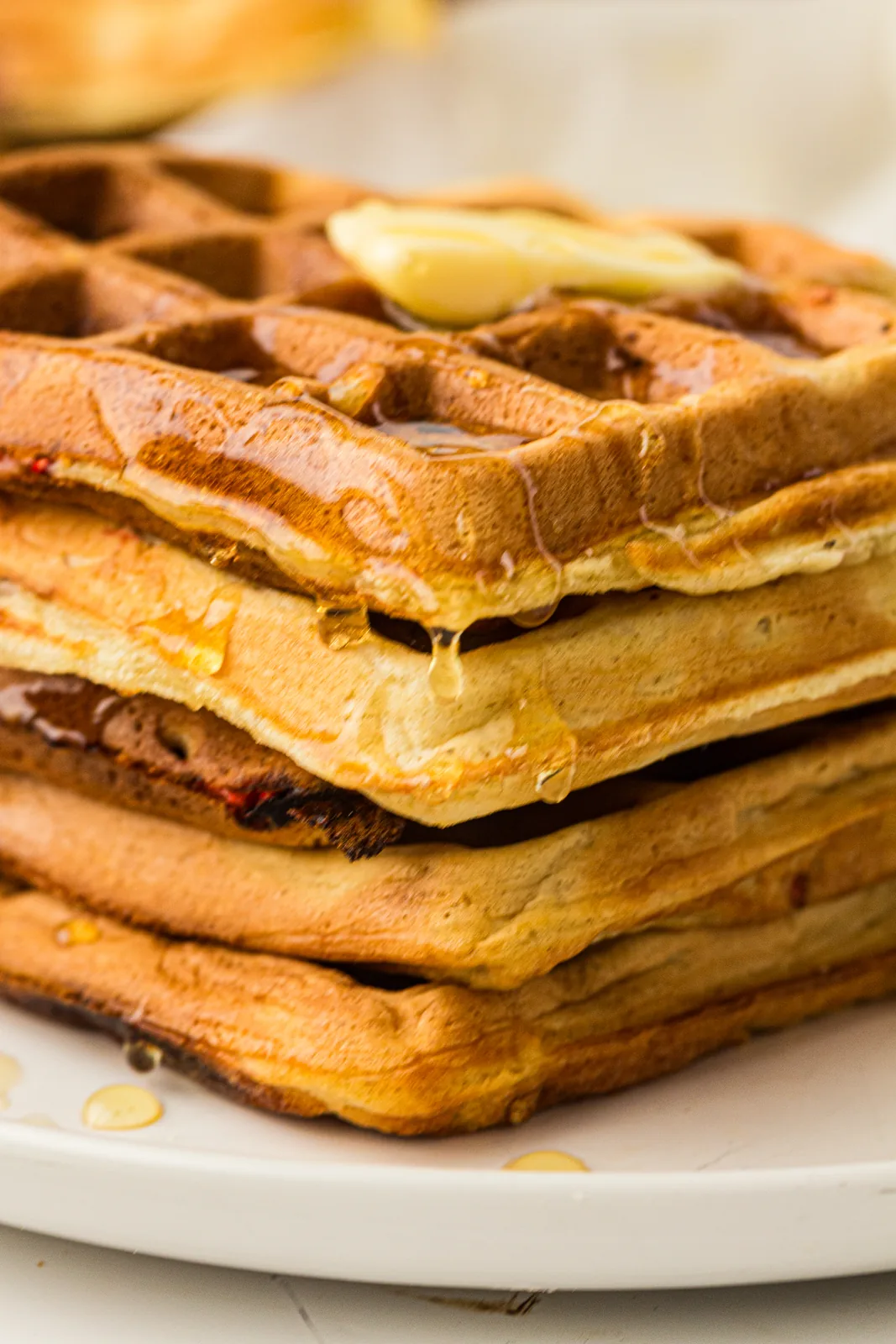
Raspberry sourdough waffles fold fresh or frozen raspberries into the batter and take about 20 minutes. The berries were an accident; they were in the freezer and the batter was already mixed. Now they are the version everyone asks for. Little pockets of hot fruit sit inside a crisp shell, and the sharpness of the starter stops the whole thing tasting like pudding at eight in the morning.
Get the Raspberry Sourdough Waffles recipe →
Sourdough Breakfast and Brunch
These two are breakfast too, but they play by different rules. The muffins need a lively starter, and the casserole is the delicious answer to a loaf that has gone past its best.
6. Sourdough English Muffins
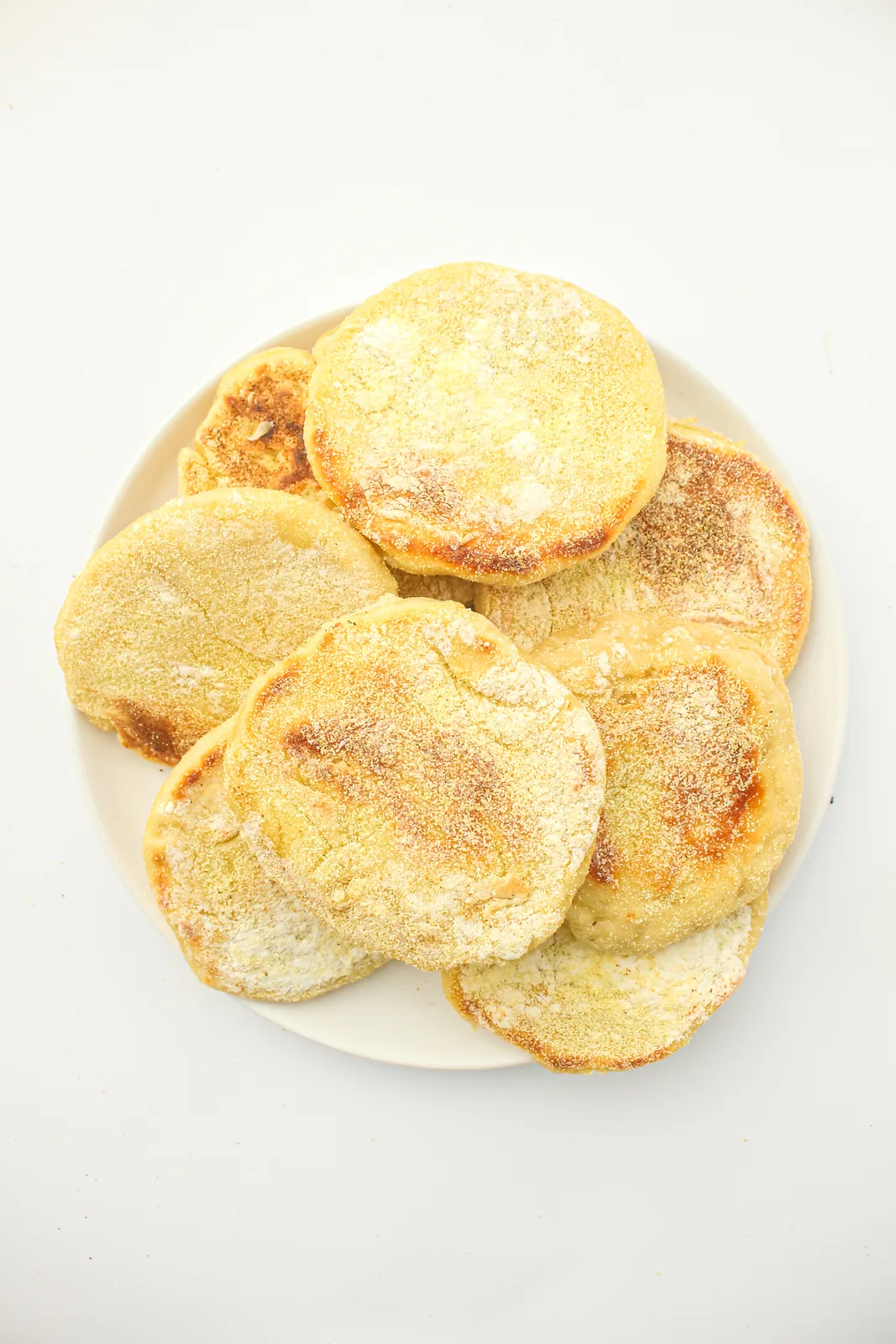
I make the sourdough English muffin dough in fifteen minutes after dinner, leave it on the worktop overnight, then roll, cut and cook the muffins in a dry frying pan the next morning. No oven needed. Split them with a fork rather than a knife and you get proper nooks and crannies for the butter to sink into.
Get the Sourdough English Muffins recipe →
7. Sourdough French Toast Casserole
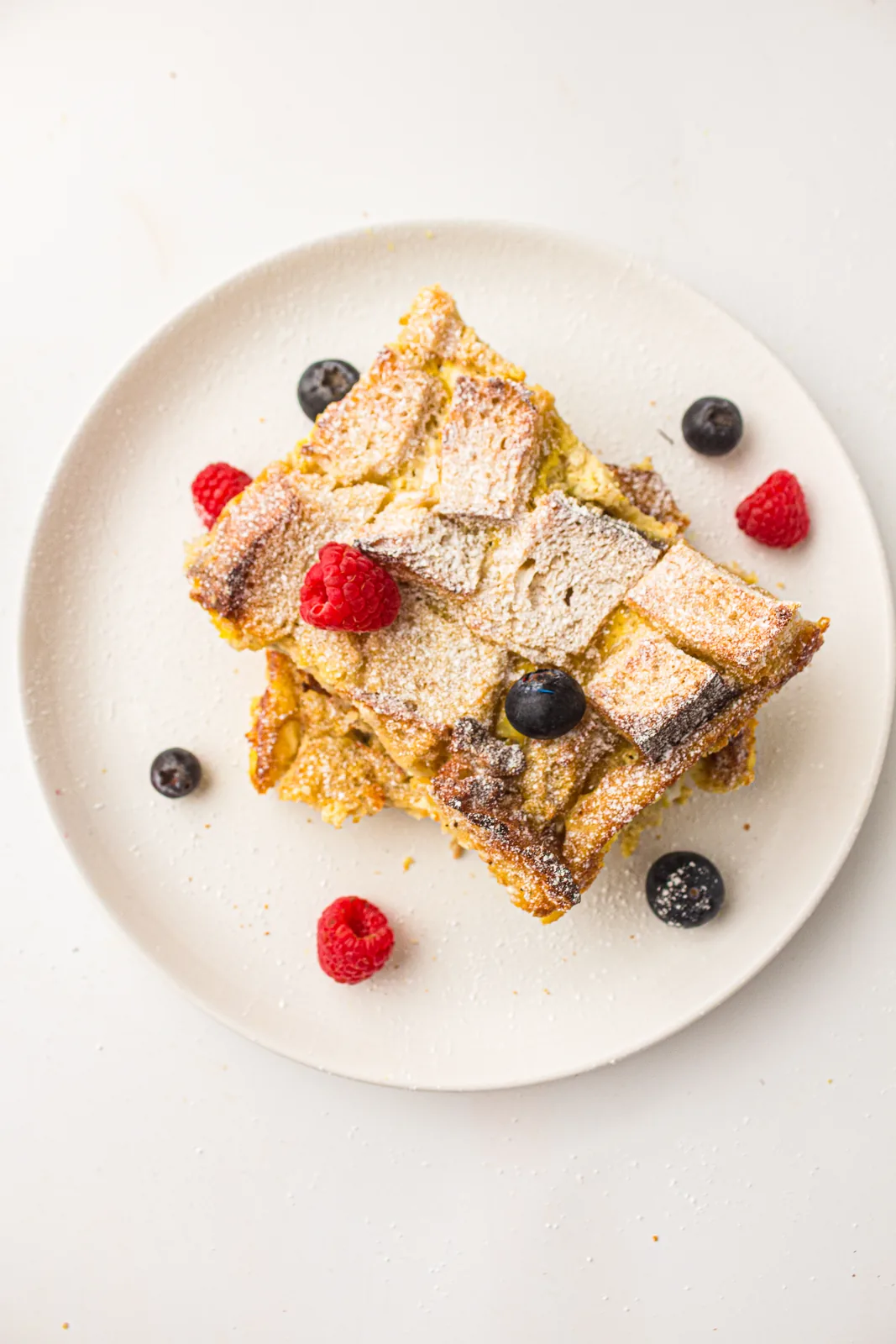
This French toast casserole uses no starter at all, only a stale sourdough loaf. The open crumb drinks up the cinnamon custard without collapsing, so you get soft, custardy pockets underneath and crisp, sugary corners on top. Soft sandwich bread turns to mush in the same dish, which is why I always save the end of a loaf for this.
Get the Sourdough French Toast Casserole recipe →
Breads and Doughs (Active Starter Needed)
These four sourdough recipes rely entirely on wild yeast, so feed your starter first and use it at its peak, when it has roughly doubled and looks domed and bubbly. Discard straight from the fridge will give you a brick here.
8. Sourdough Sandwich Bread
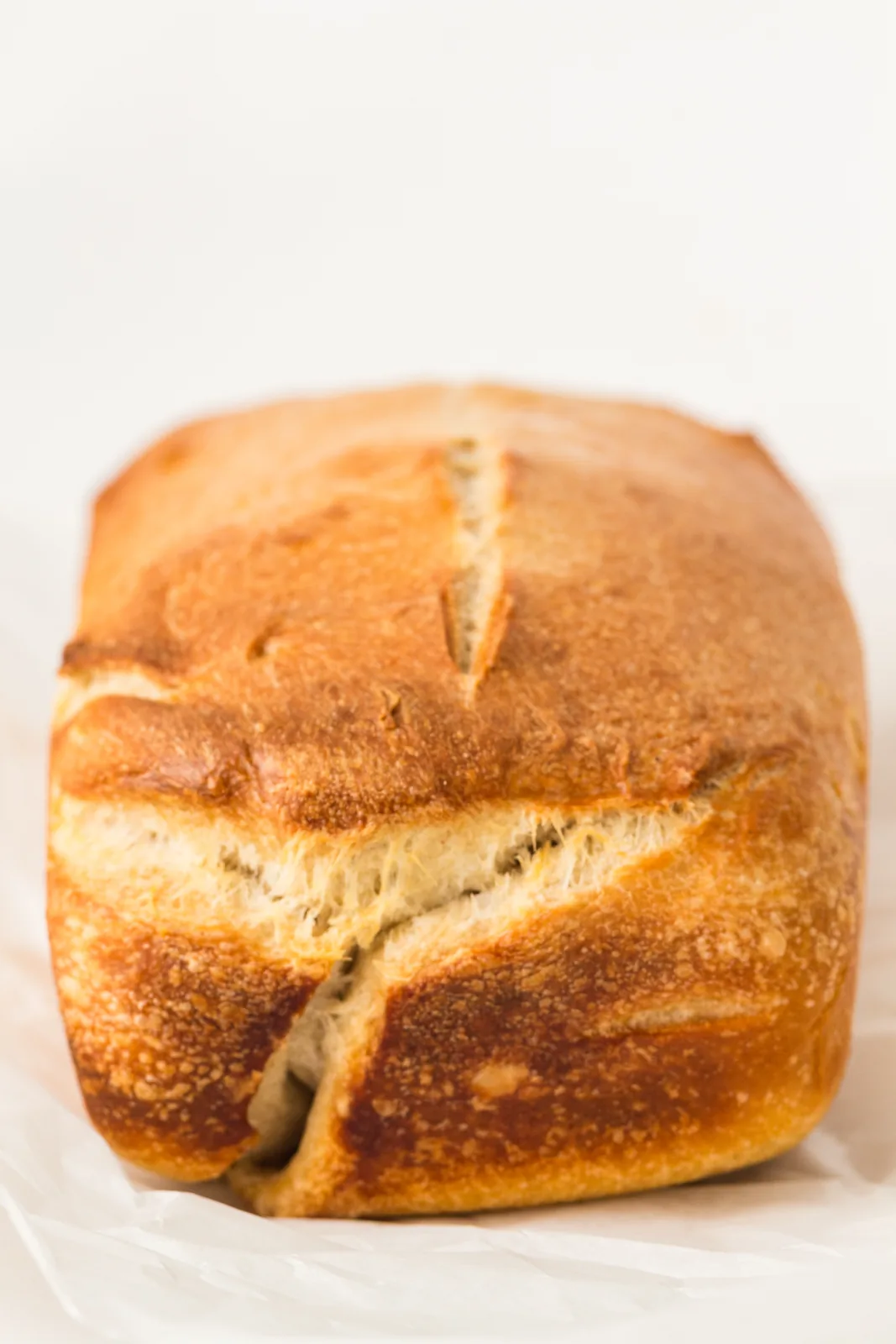
This sourdough sandwich bread is the loaf that finally stopped my family buying supermarket bread. It is soft, slightly sweet from honey and enriched with butter, so it slices thin for packed lunches without tearing. Better still, it fits into a normal day. Start after breakfast and you will have a cooling loaf by mid afternoon.
Get the Sourdough Sandwich Bread recipe →
9. Sourdough Dinner Rolls
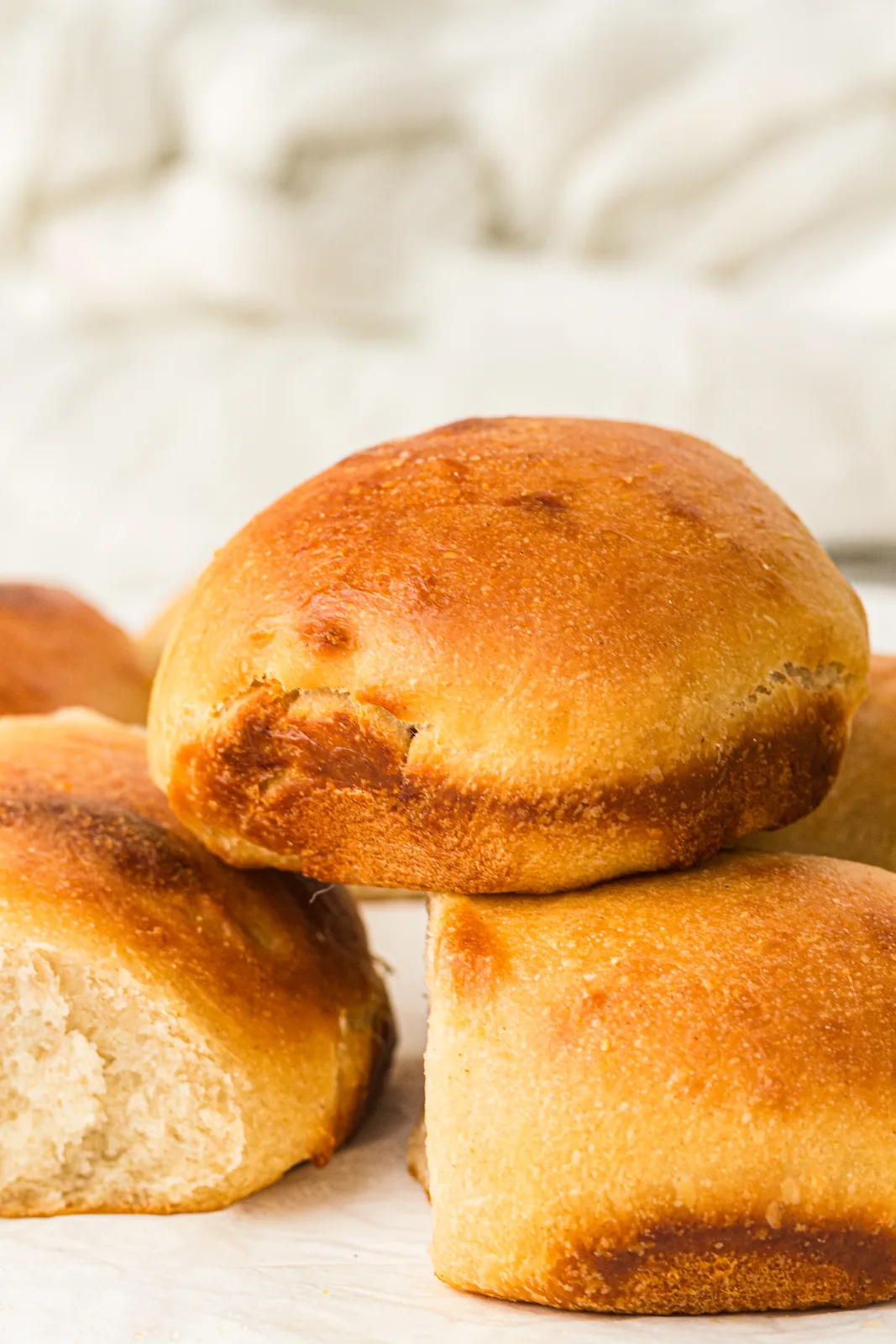
I bake these sourdough dinner rolls most Sundays now. Milk and butter keep them tender for days, while the starter adds a faint tang under the honey sweetness. The crumb pulls apart in soft strands, and a brush of melted butter straight from the oven turns the tops deep gold. My family usually eats four before they have cooled.
Get the Sourdough Dinner Rolls recipe →
10. Artisan Sourdough Loaf
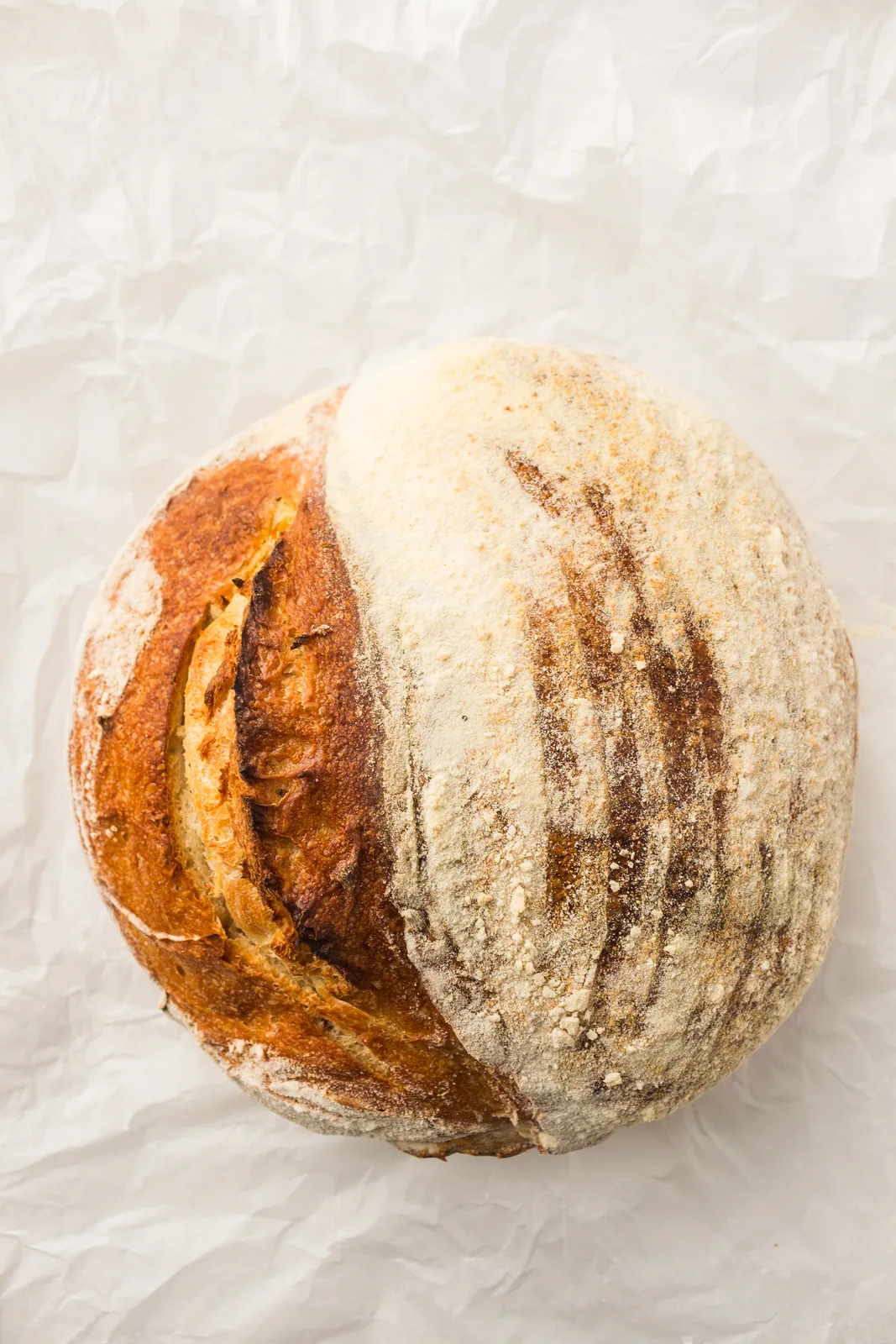
This artisan sourdough loaf needs only flour, water, starter and salt; that is genuinely all it takes. You fold the dough every half hour while you get on with your day, and the Dutch oven does the dramatic part. I keep this one deliberately on the firm side, so it holds its shape and does not stick to everything you own while you learn.
Get the Artisan Sourdough Loaf recipe →
For the final proof, a well floured 9 inch round banneton holds the loaf in shape and leaves those pretty rings on the crust.
11. Sourdough Pizza Dough
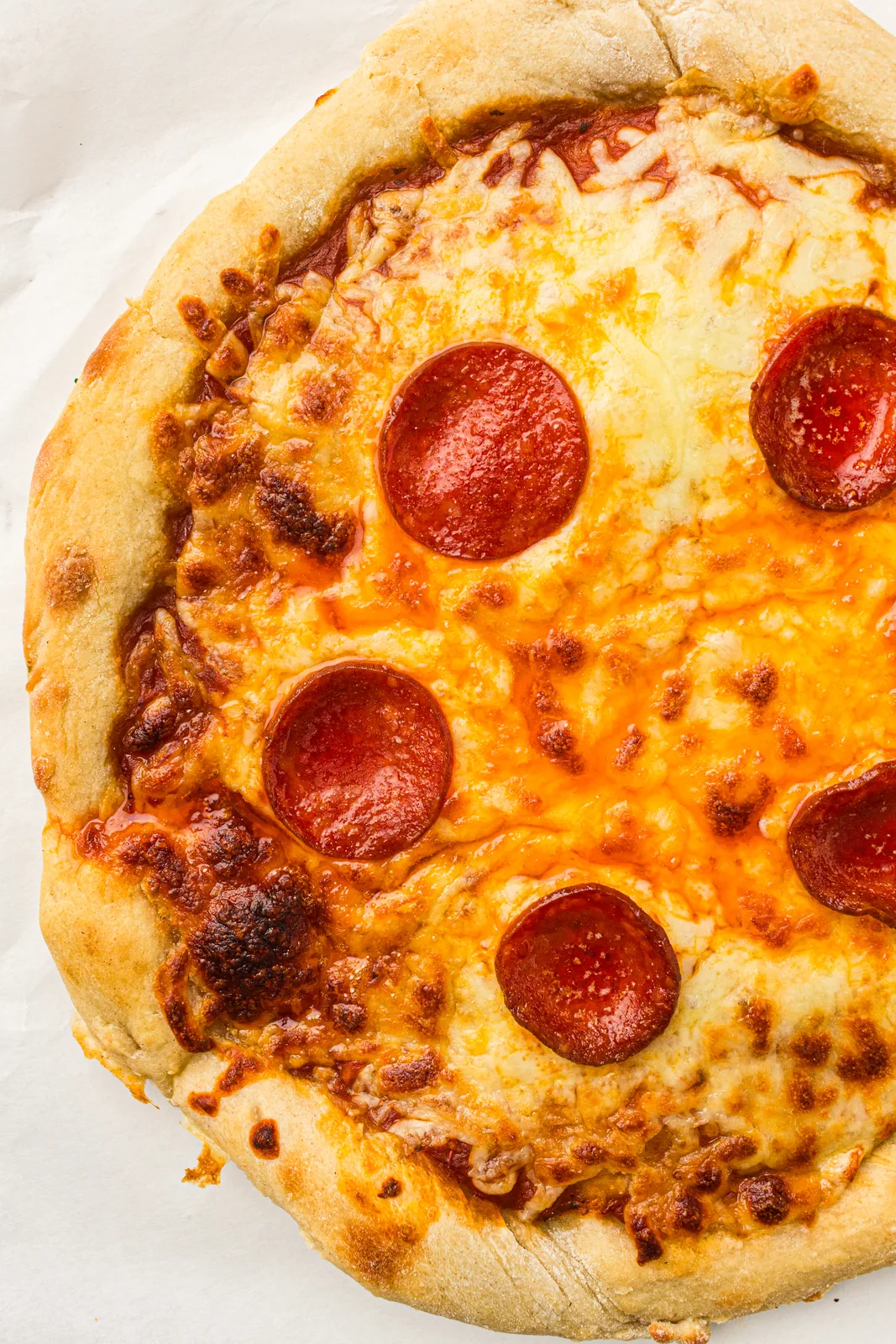
Sourdough pizza dough makes 2 bases from a cup of active starter. The Friday I stopped buying bases was the Friday pizza night got genuinely good. The rim puffs and blisters, and there is a gentle sour note under the cheese that a packet of yeast cannot fake. Mix it in the morning and by teatime you have two soft balls ready to stretch.
Get the Sourdough Pizza Dough recipe →
All 11 Sourdough Recipes at a Glance
Here are all eleven recipes in one table, so you can see which ones use discard and which need an active starter. Times and yields come from the recipe cards, and the long ones include rising or fermenting time.
| Recipe | Starter needed | Total time | Serves or makes |
|---|---|---|---|
| Sourdough Discard Cookies | Discard is fine | 2 hr 30 min | 16 cookies |
| Sourdough Discard Crackers | Discard is fine | 30 min | 6 |
| Sourdough Discard Pancakes | Discard is fine | 25 min | 9 pancakes |
| Sourdough Discard Waffles | Discard is fine | 20 min | 5 waffles |
| Raspberry Sourdough Waffles | Discard is fine | 20 min | 5 waffles |
| Sourdough English Muffins | Active starter | 10 hr 31 min | 8 muffins |
| Sourdough French Toast Casserole | None, uses sourdough bread | 1 hr 15 min | 6 |
| Sourdough Sandwich Bread | Active starter | 4 hr | 14 slices |
| Sourdough Dinner Rolls | Active starter | 10 hr | 12 rolls |
| Artisan Sourdough Loaf | Active starter | 13 hr | 12 slices |
| Sourdough Pizza Dough | Active starter | 8 hr | 2 pizza bases |
A Week of Sourdough Recipes From One Starter
The trick to baking sourdough recipes without living in the kitchen is to plan around your feeds. Here is roughly how a good week looks in my house, with one jar doing all the work.
| Day | What to bake | Starter you need |
|---|---|---|
| Saturday morning | Discard pancakes or waffles | Unfed discard from the fridge |
| Saturday evening | Feed the starter, then mix the english muffin dough before bed | Active |
| Sunday | Cook the muffins, then bake dinner rolls or a sandwich loaf | Active |
| Midweek | Crackers or a tray of cookies | Discard saved from the weekend feed |
| Thursday night | Feed the starter, then mix the artisan loaf or pizza dough | Active |
| Friday | Pizza night, plus french toast casserole from the stale end of last week’s loaf | None for the casserole |
Of course, timings stretch and shrink with the weather. ThermoWorks explains why dough temperature controls sourdough timing: cooler dough ferments slowly and tastes tangier, while warmer dough is ready in a few hours with a milder flavour. So in winter I leave things longer, and in summer I check them early.
Tips for Better Sourdough Recipes
- Weigh your starter. A cup of bubbly starter weighs far less than a cup of dense discard, so grams keep every bake consistent.
- Let cold discard warm up. Twenty minutes on the counter loosens it, so it mixes smoothly instead of seizing butter into lumps.
- Watch the starter, not the clock. Use it when it has roughly doubled and looks domed. If it has collapsed and smells sharp, it is past its peak, so feed it again.
- Keep one jar of discard going. I add each week’s pour-off to the same lidded jar in the fridge, then use it within a couple of weeks.
- Freeze the extras. Waffles, pancakes, muffins, rolls and sliced bread all freeze for about two months, so a big day of sourdough recipes pays off for weeks.
Because grams matter so much with starter, a digital kitchen scale is the one piece of kit I would buy before anything else for sourdough.
Frequently Asked Questions
Choosing Sourdough Recipes
What else can I make with sourdough starter besides bread?
Far more than bread, and that is the joy of sourdough recipes. Discard goes brilliantly into pancakes, waffles, crackers and cookies, while an active starter raises english muffins, rolls and pizza dough. Even a stale loaf becomes a french toast casserole, so nothing goes to waste.
Which of these sourdough recipes are best for beginners?
Start with the discard pancakes or crackers, because they cannot really fail and teach you how the starter behaves. After that, the sandwich bread is the friendliest loaf, and the firm artisan loaf is a good first boule.
Can I use sourdough discard instead of active starter?
Only in recipes 1 to 5: the cookies, crackers, pancakes and both waffles. For the breads and doughs, discard has too little rising power, so you will get a dense, heavy result. The english muffins are the exception if you add a little instant yeast.
Starter Questions
What is the 1:3:3 rule for sourdough starter?
The 1:3:3 rule is a feeding ratio: one part starter to three parts flour and three parts water by weight. A higher ratio like this slows the starter down, so it peaks later with a milder tang. Many bakers use 1:1:1 for a quicker rise.
Is sourdough healthier than regular bread?
Not dramatically. The long fermentation breaks down some of the starches and gives a deeper flavour, and some people find it easier to digest. Still, it is bread, so I enjoy it as part of a balanced diet rather than as a health food.
What is the biggest mistake sourdough beginners make?
Using the starter before it is ready. A sluggish or past-its-peak starter gives flat, dense bread, so feed it, wait for it to double and only then mix your dough.
How long does sourdough discard keep in the fridge?
About two weeks. Add each pour-off to one lidded jar in the fridge and use it within a couple of weeks, and throw the jar out if you see pink or orange streaks.
Can you freeze sourdough waffles, pancakes and bread?
Yes. Waffles, pancakes, english muffins, rolls and sliced bread all freeze for about two months, and the sourdough pizza dough balls freeze for two months as well.
