 Bity
Bity
Three ingredients, and one of them is a pinch of salt. Homemade cream cheese is milk, lemon juice and patience, and the only genuinely important decision is how long you let it hang over the bowl.
Thirty minutes of draining gives you something soft enough to spoon. An hour gives you a firm block you could slice. Same batch of homemade cream cheese, same day, entirely different product, which is not something the supermarket tub lets you choose.

Quick Breakdown
Why You’ll Love This Homemade Cream Cheese
- Three ingredients. Whole milk, lemons, salt. Nothing stabilised, nothing thickened.
- About ten minutes of actual work. The rest is draining, which happens without you.
- You control the texture. Spreadable or firm, decided by the clock.
- No special equipment. A pan, a sieve and a piece of cheesecloth.
- It tastes fresher. Homemade cream cheese is cleaner and milkier than anything in a tub, with a gentle lemon tang.
Ingredient Notes
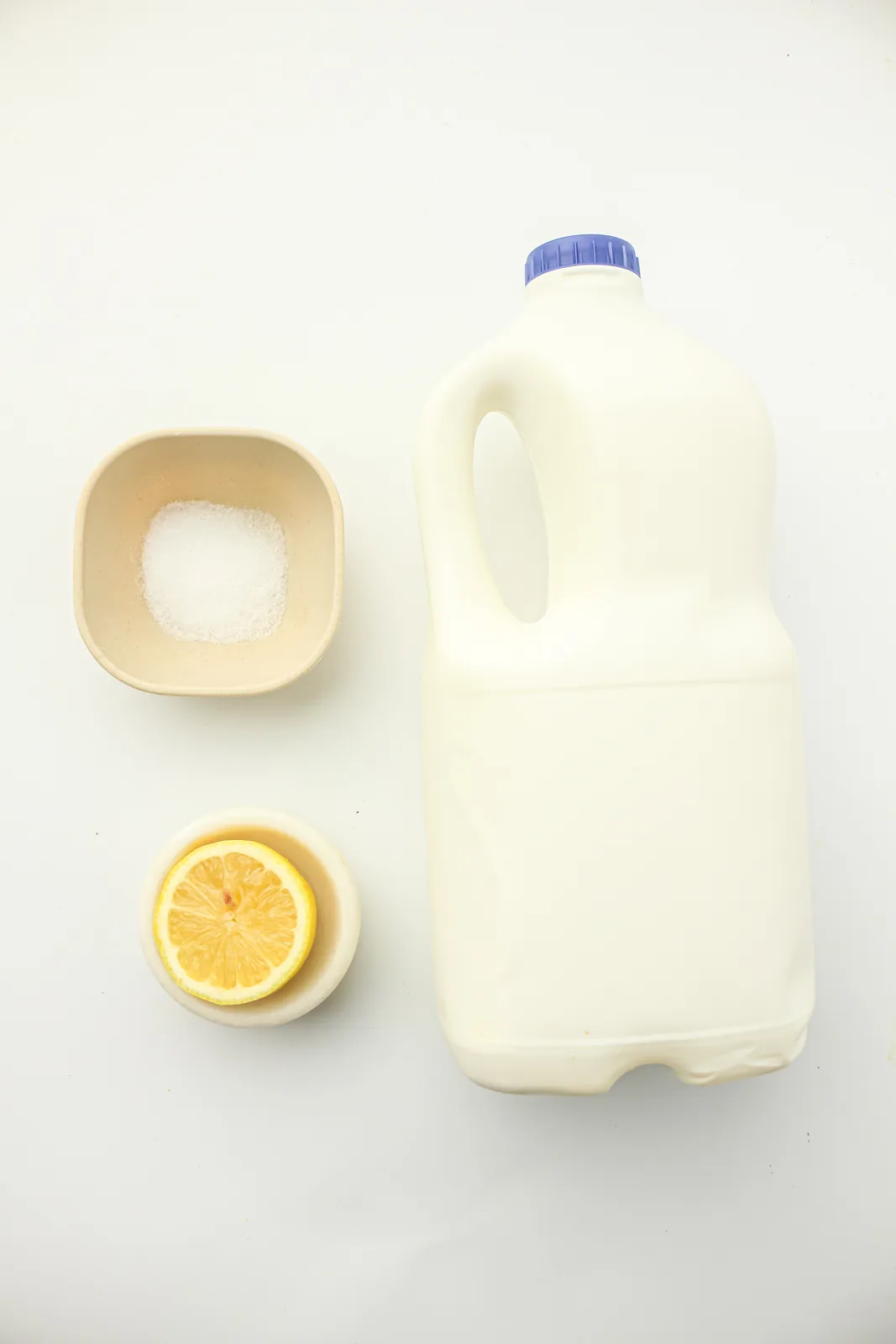
- Whole milk. Two litres, which is 8 cups. Fat is what makes it creamy rather than chalky, so semi skimmed gives a poor result and skimmed barely works at all.
- Lemons. The juice of one and a half. Acid is what pulls the casein out of suspension. Bottled juice works, though fresh tastes noticeably better in the finished cheese.
- Salt. A pinch, stirred in at the blending stage. It sharpens the flavour and helps it keep a little longer.
- Cheesecloth. Or a clean thin tea towel, or a very fine sieve. Muslin gives the cleanest drain.
One important note on the milk: do not use anything labelled ultra pasteurised or UHT. Those have been heated so hard that the proteins no longer form a proper curd, and you will get cloudy liquid and disappointment instead.
Milk is doing a lot of work here. Medical News Today lists a 244 g cup of whole milk at around 149 calories with 7.7 g of protein and 276 mg of calcium, and most of that protein is exactly what you are capturing in the cloth.
How Long to Drain It
Draining time is the only real variable, and it maps neatly onto what you want to do with the cheese.
| Draining time | Texture | Best for |
|---|---|---|
| 20 to 30 minutes | Soft and loose | Dips, dressings, stirring through pasta |
| 45 minutes | Spreadable | Bagels, toast, sandwiches |
| 60 minutes | Firm and sliceable | Cheesecake bases, piping, frosting |
| Overnight in the fridge | Very firm and dry | Rolling in herbs as a log |
You can always drain further, but you cannot easily put whey back. So check it at thirty minutes and decide from there.
How To Make Homemade Cream Cheese
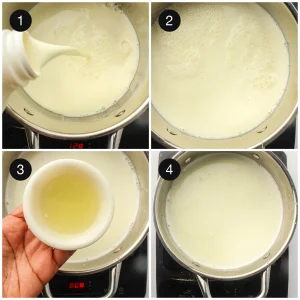
1. Heat the milk gently. First, pour the milk into a large saucepan and warm it slowly until it is steaming but not boiling. Stir now and then so the base does not catch, because scorched milk taints the whole batch.
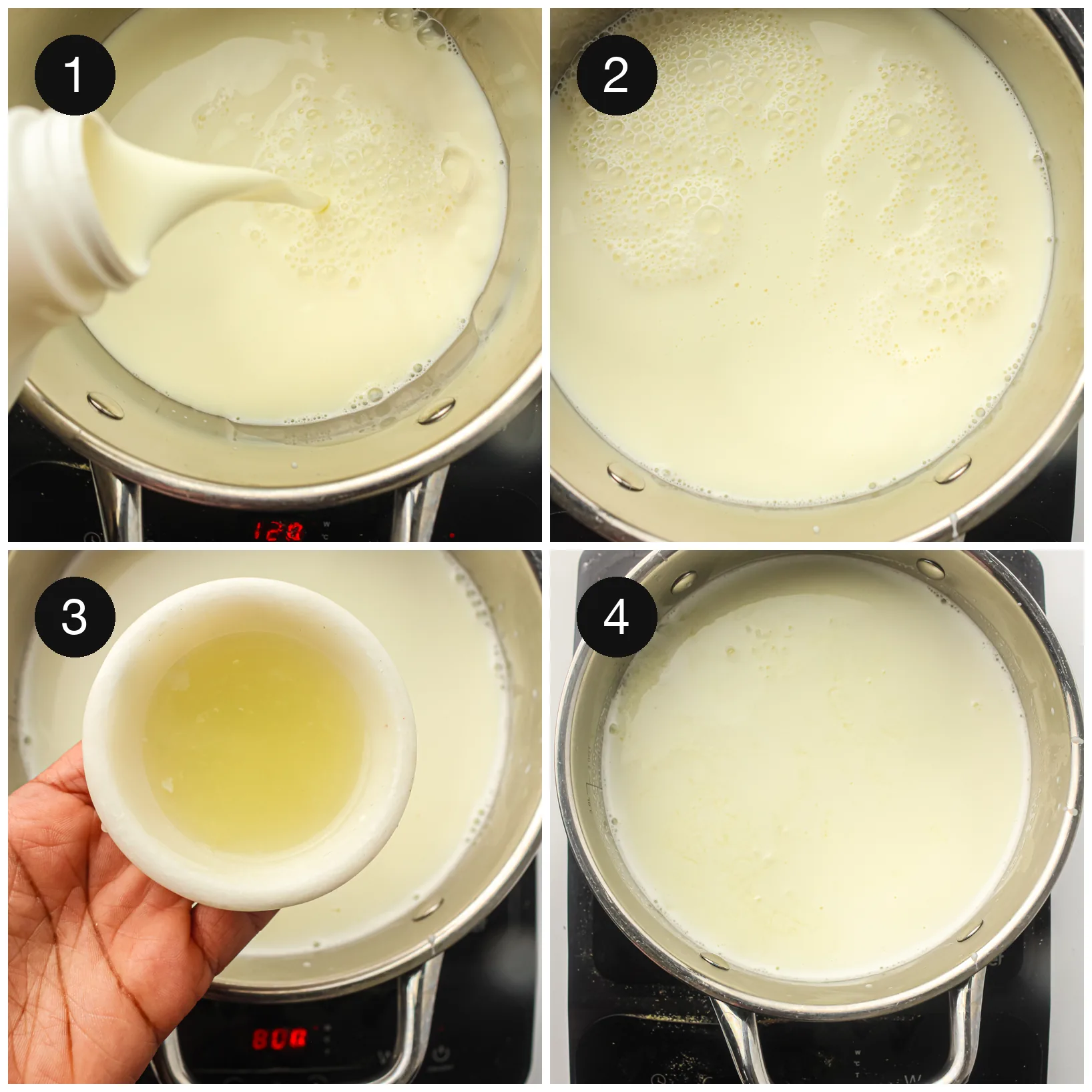
2. Add the lemon juice. Next, stir in the juice and watch the milk separate into soft white curds and thin yellow whey. It usually happens within a minute.
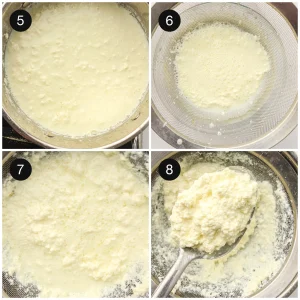
3. Let it sit. Then take the pan off the heat and leave it alone for 10 minutes. The curds keep gathering during this time, so stirring now only breaks them up.
4. Drain. After that, pour everything through a cheesecloth lined sieve and let it drain for 30 to 60 minutes, depending on how thick you want it.
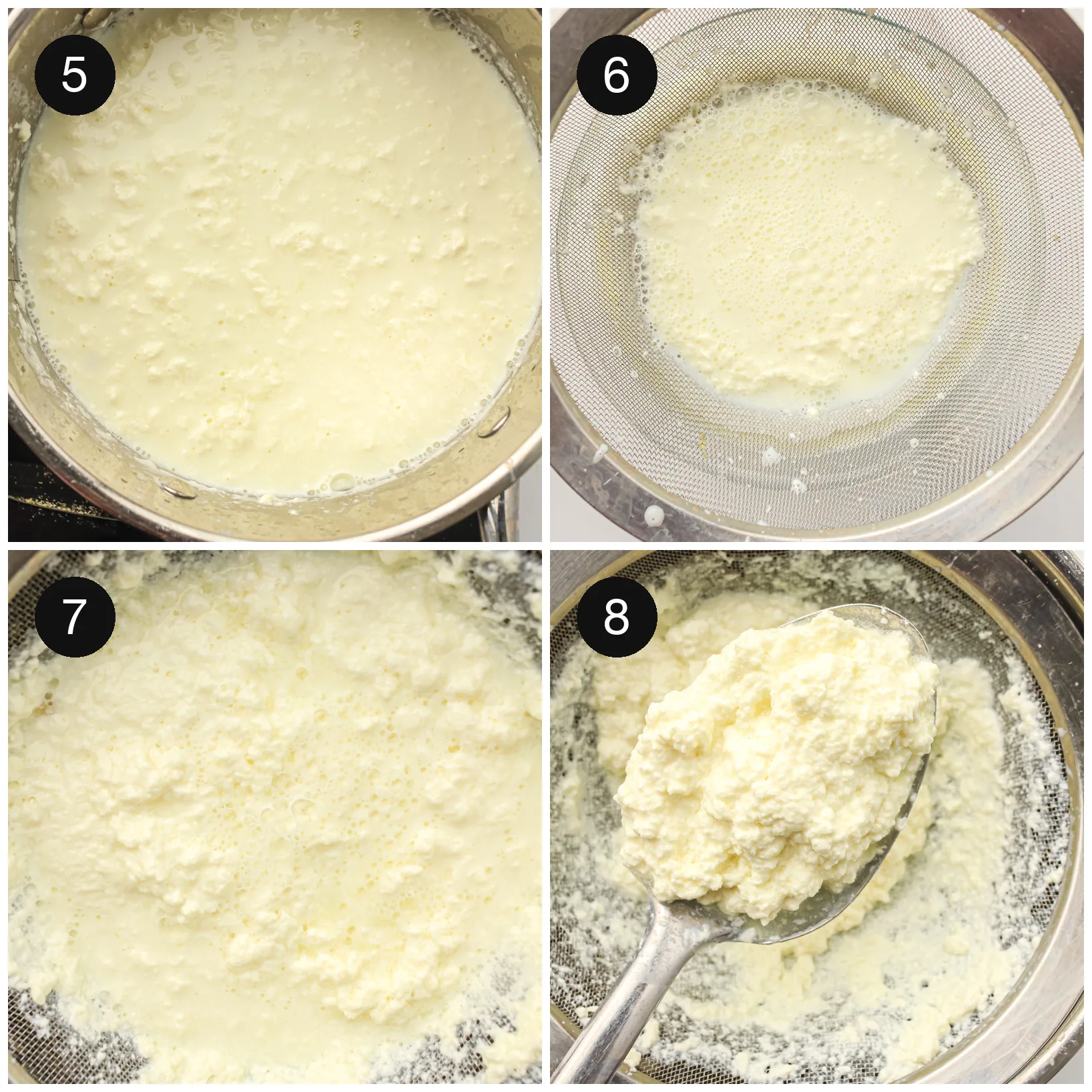
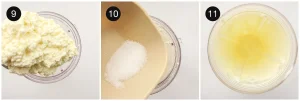
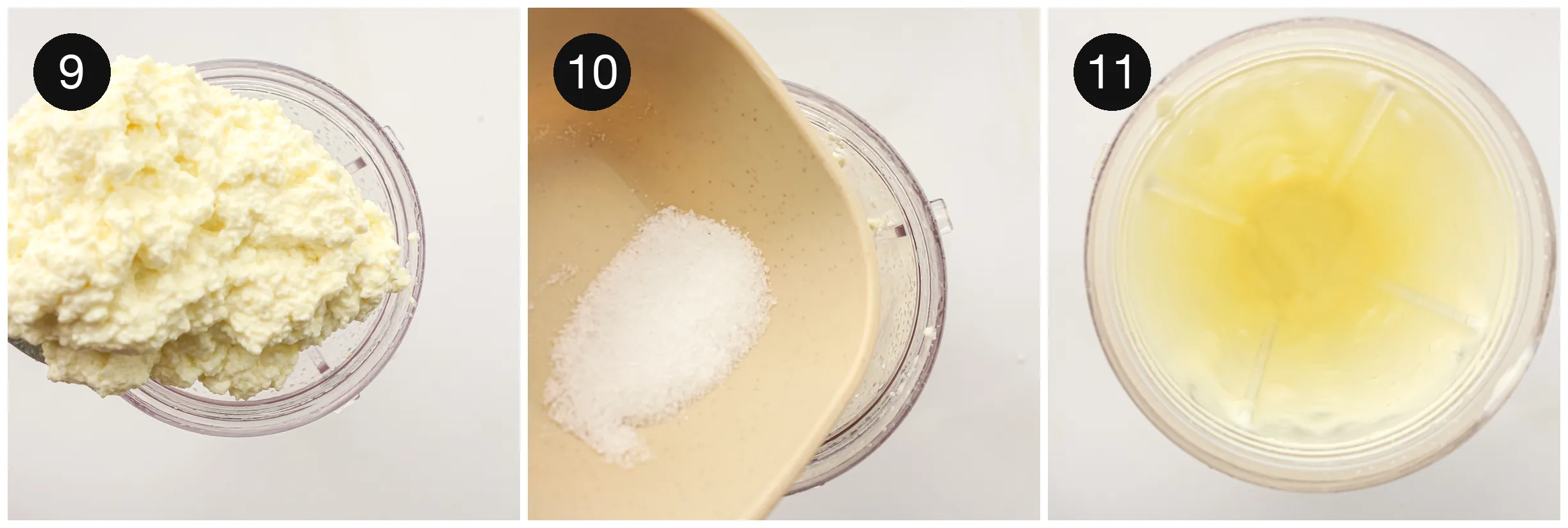
5. Blend it smooth. Finally, tip the drained curds into a food processor with a pinch of salt and blend until creamy, or beat them hard with a spoon for a more rustic texture. Chill before serving, since it firms up considerably in the fridge.
Why Milk Sometimes Refuses to Curdle
If you are staring at a pan of hot milk that still looks like milk, it is one of these.
- The milk was not hot enough. It needs to be properly steaming, around 85°C. Warm is not enough for the proteins to come out of suspension.
- Not enough acid. Lemons vary a lot. Add the juice of another half and give it a minute.
- Ultra pasteurised milk. The most common culprit, and the one you cannot fix. Check the carton before you start.
- You stirred too much. Vigorous stirring after the split shreds the curds into pieces so fine they wash through the cloth.
Tips for the Best Homemade Cream Cheese
- Use a heavy based pan. Thin pans scorch milk in the time it takes to answer the door.
- Meanwhile, keep the whey. It is good in bread dough, smoothies or soup instead of stock.
- Blend it while the curds are still slightly warm, since they emulsify far more smoothly than cold ones.
- Of course, taste before you chill. Salt reads weaker cold, so season slightly beyond what seems right.
- In fact, a tablespoon of double cream blended in at the end makes it richer and closer to the shop version.
- Rinse the curds briefly with cold water if the lemon flavour comes through too strongly.
What to Do With the Whey
Two litres of milk leaves you with well over a litre of pale yellow whey, and pouring it away feels wrong once you know what is in it. It carries most of the milk’s remaining protein along with the lactose and a good deal of the calcium.
- In bread. Use it instead of water in any dough. It gives a softer crumb and a better crust colour.
- In soup. A reasonable stand in for light stock, particularly in anything creamy.
- In smoothies. Straight swap for milk or water, with a faint tang.
- In pancakes. It behaves much like buttermilk with baking soda.
- On the garden. Diluted heavily, it is a decent feed for acid loving plants.
It keeps about five days in the fridge, the same as the cheese itself.
Storage
- Fridge. Homemade cream cheese keeps five days in an airtight container. It has no preservatives, so treat that as a firm limit.
- Freezing. Not recommended. It splits on thawing and turns grainy.
- It will firm up. Expect it to be noticeably stiffer on day two than the day you made it.
- Weeping. A little liquid on the surface is normal. Just stir it back in or pour it off.
Variations and Flavourings
- Herb and garlic. Chives, parsley and a crushed clove blended in after draining.
- Sweet. Honey and a little vanilla, which makes a good filling for pastries.
- Black pepper and lemon zest. Simple, and very good on smoked salmon.
- White vinegar instead of lemon. It curdles just as reliably and gives a more neutral flavour.
- Bake with it. Once it is firm, it works in no bake cheesecake and in cream cheese mints, though drain it the full hour first.
What to Serve With Homemade Cream Cheese
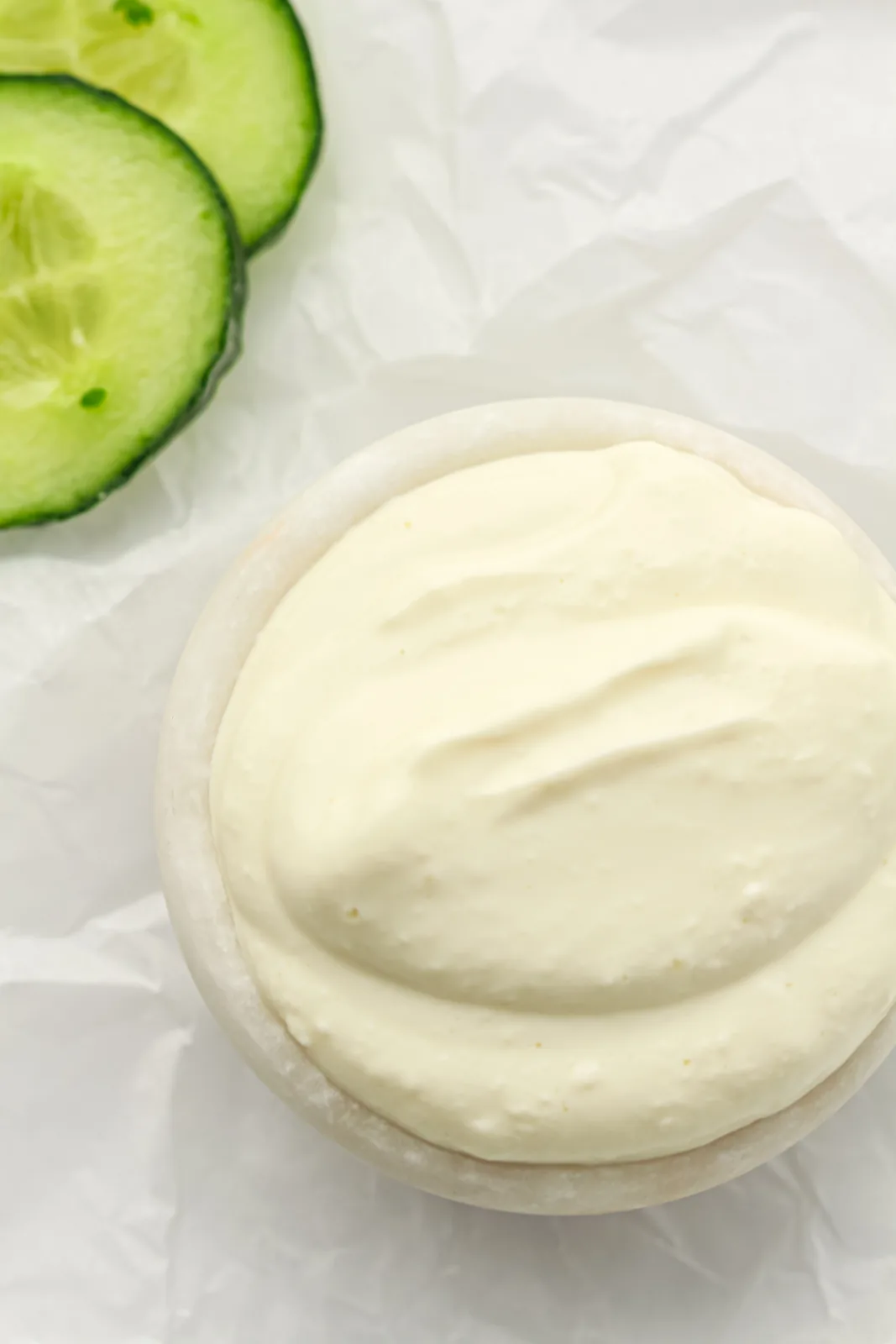
A bagel and a thick layer of it is the obvious answer and still the best one. Beyond that, spread it on toasted cottage cheese bread for a very high protein breakfast, or use it as the base of a dip with crackers and cucumber. It is also excellent folded into cream cheese sausage balls, and it works as a cooling spread inside cottage cheese flatbread.
Frequently Asked Questions
Ingredients and Method
What type of milk works best?
Whole milk, every time. It gives the creamiest texture and the best flavour. Avoid anything ultra pasteurised, since those proteins will not form a proper curd.
Can I use vinegar instead of lemon juice?
Yes. White vinegar works very well and gives a similar result with a more neutral taste. Use roughly the same volume as the lemon juice.
How do I make it thicker?
Drain it for longer. The difference between thirty minutes and an hour is the difference between a spoonable dip and a sliceable block.
Can I flavour it?
Absolutely, and after blending is the moment to do it. Herbs, garlic, honey, black pepper and chives all work. Add them once the texture is where you want it.
Storage and Troubleshooting
Why did my milk not curdle?
Either it was not hot enough or the lemons were not acidic enough. Heat it until it is genuinely steaming, then add more juice and wait a minute before giving up.
How much does two litres of milk make?
Roughly one and a half cups, or about 350 g, though it varies with draining time and the fat content of your milk. It is less than people expect the first time.
How long does it keep?
Five days in the fridge in a sealed container. There are no preservatives in it, so do not push past that.
What do I do with the leftover whey?
Use it instead of water in bread dough, add it to smoothies, or use it as the liquid in soup. It is full of protein and it seems a shame to pour it away.

Ingredients
- 2 litres whole milk 8 cups, not ultra pasteurised
- 1 1/2 lemons juiced
- 1 pinch salt
Instructions
- Pour the milk into a large saucepan and heat gently until steaming but not boiling.

- Stir in the lemon juice and allow the milk to curdle into soft curds and thin whey.
- Let it sit off the heat for 10 minutes.
- Pour through a cheesecloth or sieve and drain for 30 to 60 minutes, depending on the thickness you want.
- Blend or stir until creamy with a pinch of salt.

- Refrigerate before serving.