
 Bity
If you eat eggs and cheese but no meat or fish, you are almost certainly a lacto ovo vegetarian, even if you have never used the phrase. It is the most common way to be vegetarian, and honestly it is how most of my meatless cooking works, from cheesy pasta bakes to a batch of boiled eggs in the fridge.
In short, a lacto ovo vegetarian diet leaves out meat, poultry, fish and seafood but includes eggs, dairy and usually honey. This guide compares it with the other meat free diets, lists the foods to eat and avoid, and finishes with 7 egg and dairy recipes, from 16 minute air fryer hard boiled eggs to a baked ziti that serves 6.
So here is the friendly version: what the term means, how it compares with the other kinds of vegetarian, what you can and cannot eat, the nutrients worth a little thought, a one day sample menu, and seven easy recipes from my kitchen.
Quick Breakdown
What Is a Lacto Ovo Vegetarian?
A lacto ovo vegetarian eats no meat, poultry, fish or seafood, but does eat dairy and eggs. “Lacto” comes from the Latin for milk and “ovo” from the Latin for egg. So milk, cheese, yogurt, butter and eggs are all in, alongside plants, while gelatin and animal stock are out.
In other words, when most people say “vegetarian”, this is what they mean. You will also see it written as lacto-ovo vegetarian or ovo-lacto vegetarian; they are all the same diet. If you are still untangling the bigger picture, my guide to vegan vs vegetarian covers the difference between the two.
Lacto Ovo Vegetarian vs Lacto, Ovo, Vegan and Pescatarian
Here is how the main meat free diets compare. I keep a chart like this in my head whenever I am cooking for friends with different rules.
| Food | Lacto ovo | Lacto | Ovo | Vegan | Pescatarian |
|---|---|---|---|---|---|
| Meat and poultry | No | No | No | No | No |
| Fish and seafood | No | No | No | No | Yes |
| Eggs | Yes | No | Yes | No | Yes |
| Milk, cheese, yogurt and butter | Yes | Yes | No | No | Yes |
| Honey | Usually | Usually | Usually | No | Yes |
| Gelatin and animal stock | No | No | No | No | Fish only |
| Beans, grains, nuts, fruit and vegetables | Yes | Yes | Yes | Yes | Yes |
As you can see, a lacto vegetarian drops the eggs, an ovo vegetarian drops the dairy, and a vegan drops both. A pescatarian, on the other hand, eats fish, so strictly speaking they are not vegetarian at all.
What Can a Lacto Ovo Vegetarian Eat?
Plenty: eggs, dairy, pulses, soy, grains, nuts, seeds, every fruit and vegetable, and usually honey. In fact, the list of what you can eat is far longer than the list of what you cannot:
- Eggs: boiled, scrambled, baked into muffins and French toast, or in omelettes and frittatas. My guide on whether eggs are vegetarian explains why they make the cut.
- Dairy: milk, yogurt, butter, cream and most cheeses.
- Pulses and soy: lentils, chickpeas, beans, tofu, tempeh and edamame.
- Grains: oats, rice, pasta, bread, quinoa and barley.
- Nuts and seeds: almonds, walnuts, peanut butter, chia, flax and hemp.
- Fruit and vegetables: all of them, fresh, frozen or tinned.
- Honey: most lacto ovo vegetarians eat it, although vegans do not.
Dried beans and lentils cost far less than tins, and a 6 quart electric pressure cooker makes them tender in well under an hour, with no overnight soak to remember.
Foods to Avoid and Hidden Animal Ingredients
The obvious foods to avoid are meat, poultry, fish and shellfish. However, the hidden ingredients are what catch people out, so these are the labels I check:
- Animal rennet: traditional Parmesan, Pecorino and Grana Padano are made with calf rennet. My guide to whether cheese is vegetarian shows how to spot a suitable one.
- Gelatin: found in jelly sweets, marshmallows and some yogurts and cheesecakes.
- Meat and fish stock: in many soups, risottos, gravies and stuffings.
- Lard and suet: in some pastry, refried beans and traditional puddings.
- Fish sauce and anchovies: in Thai curry pastes, Caesar dressing and classic Worcestershire sauce.
- Isinglass: a fish product used to clear some wines and beers.
Nutrition to Keep an Eye On
A well planned meat free diet can be very balanced, and eggs and dairy make it easier than a vegan one. Harvard Health has a clear overview of becoming a vegetarian that covers the types and the nutrients in more depth. This is general information rather than medical advice, so talk to your doctor or a registered dietitian about your own needs.
- Protein: eggs, Greek yogurt, cottage cheese, lentils, beans and tofu all help. Mixing them through the day works well.
- Vitamin B12: it is found naturally in animal foods, including eggs and dairy. The Harvard Nutrition Source notes that fortified foods or a supplement are the reliable options for anyone eating few of them.
- Iron: lentils, chickpeas, spinach and fortified cereals, ideally with vitamin C such as tomatoes or a squeeze of lemon.
- Calcium: easy with milk, yogurt and cheese, and topped up with tahini, kale and calcium set tofu.
- Omega 3: with fish off the menu, chia seeds, ground flaxseed and walnuts are worth adding regularly.
A One Day Lacto Ovo Vegetarian Menu
Here is what a normal day looks like in my kitchen. Every meal includes eggs or dairy, and most of it can be made ahead. For a whole week laid out the same way, see my 7 day vegetarian meal plan.
| Meal | What I eat | Eggs or dairy? |
|---|---|---|
| Breakfast | Sourdough French toast casserole with berries | Eggs and milk |
| Lunch | Greek pasta salad with two hard boiled eggs | Feta and eggs |
| Snack | A pumpkin muffin or a pot of chia pudding | Eggs, or milk |
| Dinner | Baked ziti with a green salad | Ricotta and mozzarella |
Easy Egg and Dairy Breakfasts
Next come the recipes, numbered so you can save them. These first four are the breakfasts and snacks I lean on most, and each one shows a different side of eating lacto ovo.
1. Sourdough French Toast Casserole
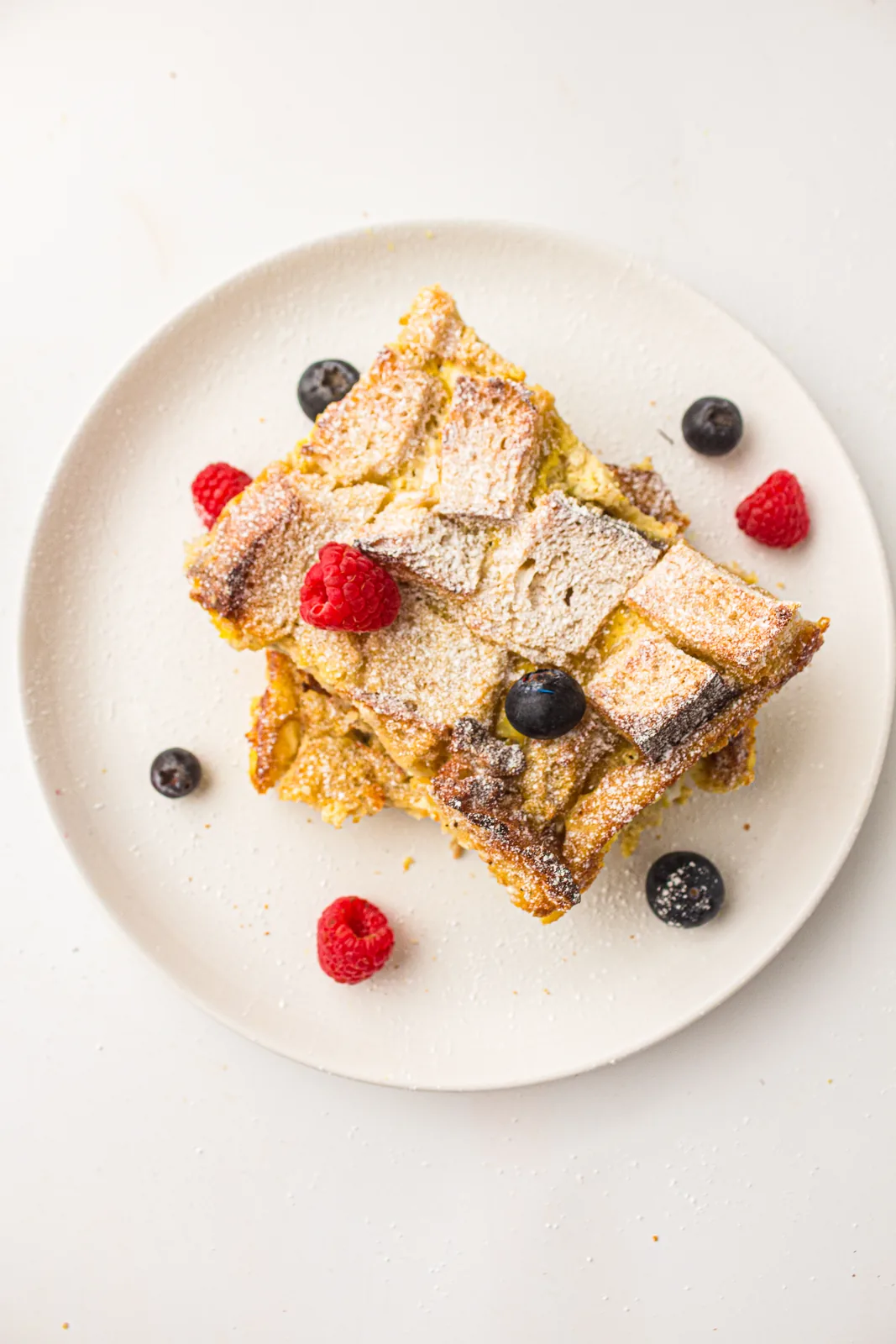
This is the most lacto ovo dish I make, since it is held together by eggs and milk. Cubed stale sourdough soaks up a cinnamon and vanilla custard, then bakes until puffed and golden. As a result, a tired half loaf becomes breakfast for six. I assemble it the night before and bake it while the coffee brews.
Get the Sourdough French Toast Casserole recipe →
2. Chia Pudding
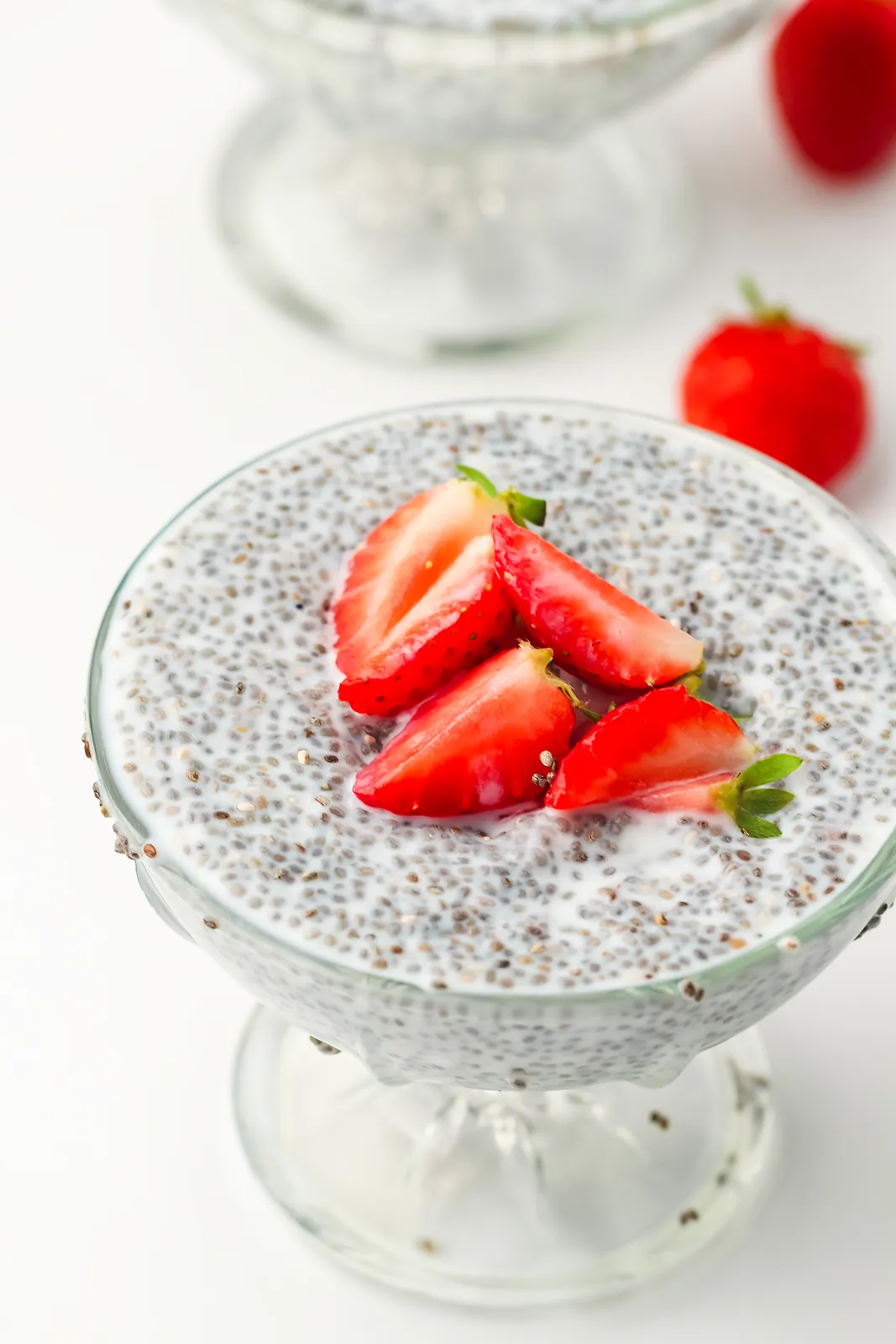
Chia seeds, milk and a little honey go into a jar, get two good stirs, and set overnight into a thick, spoonable breakfast. It is a lacto rather than ovo recipe, since there are no eggs at all. Better yet, chia is one of the handiest plant sources of omega 3, which matters once fish is off the table.
3. Air Fryer Hard Boiled Eggs
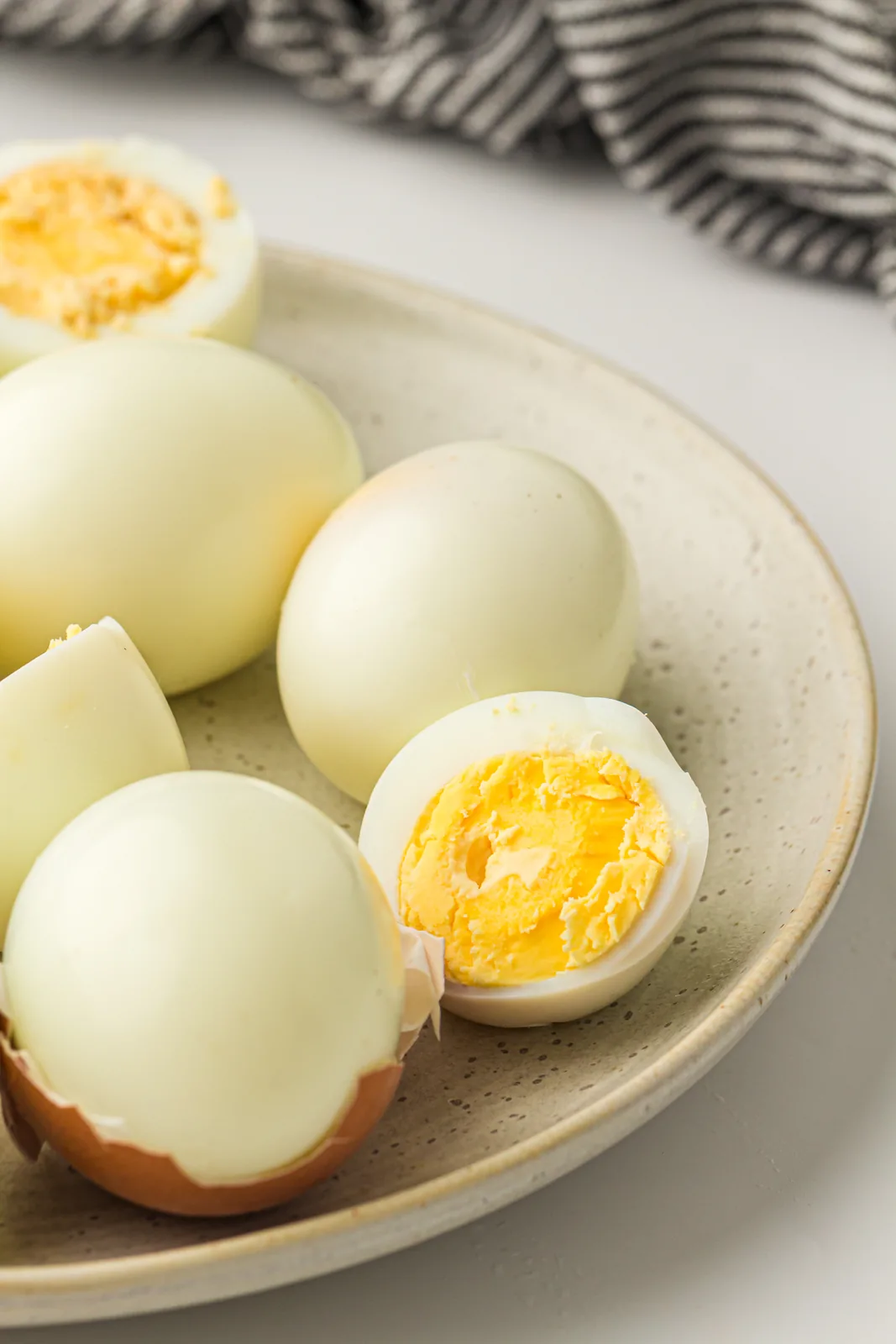
A batch of boiled eggs in the fridge is my simplest protein insurance. These cook in their shells at a surprisingly low temperature, then go straight into iced water, and they peel more cleanly than anything I ever managed in a saucepan. Of course, this is the ovo half of the diet, with no dairy anywhere.
Get the Air Fryer Hard Boiled Eggs recipe →
4. Pumpkin Muffins
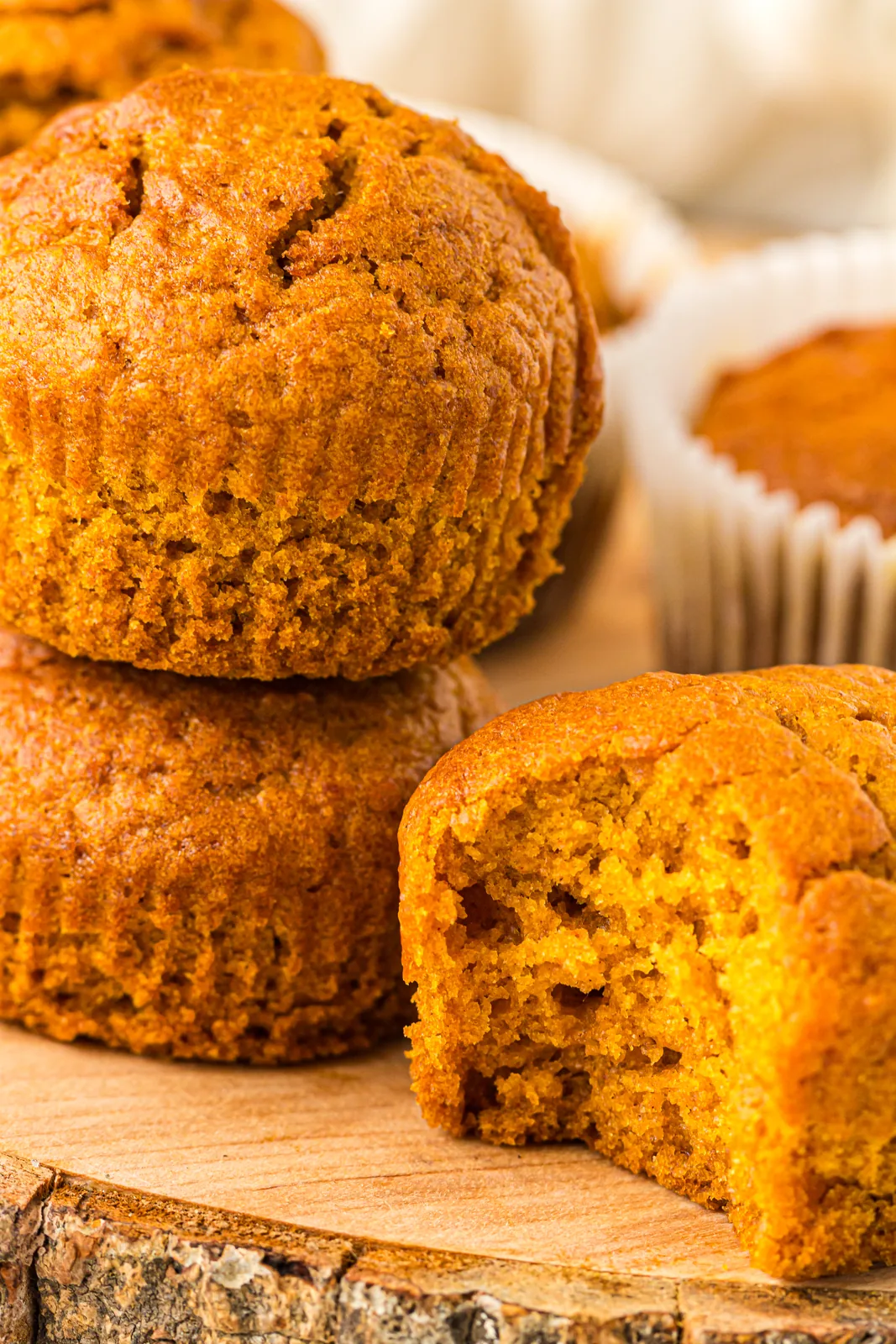
These one bowl muffins are made with eggs and oil rather than butter or milk, so they are ovo vegetarian and dairy free as written. Pumpkin puree keeps them soft for days, and cinnamon is the only spice you need. I bake a dozen on Sunday for lunchboxes and afternoon snacks.
Get the Pumpkin Muffins recipe →
Cheesy Lunches and Dinners
After that, the savoury dishes, which lean on cheese for flavour and protein. Remember to check every cheese label for vegetarian rennet.
5. Greek Pasta Salad
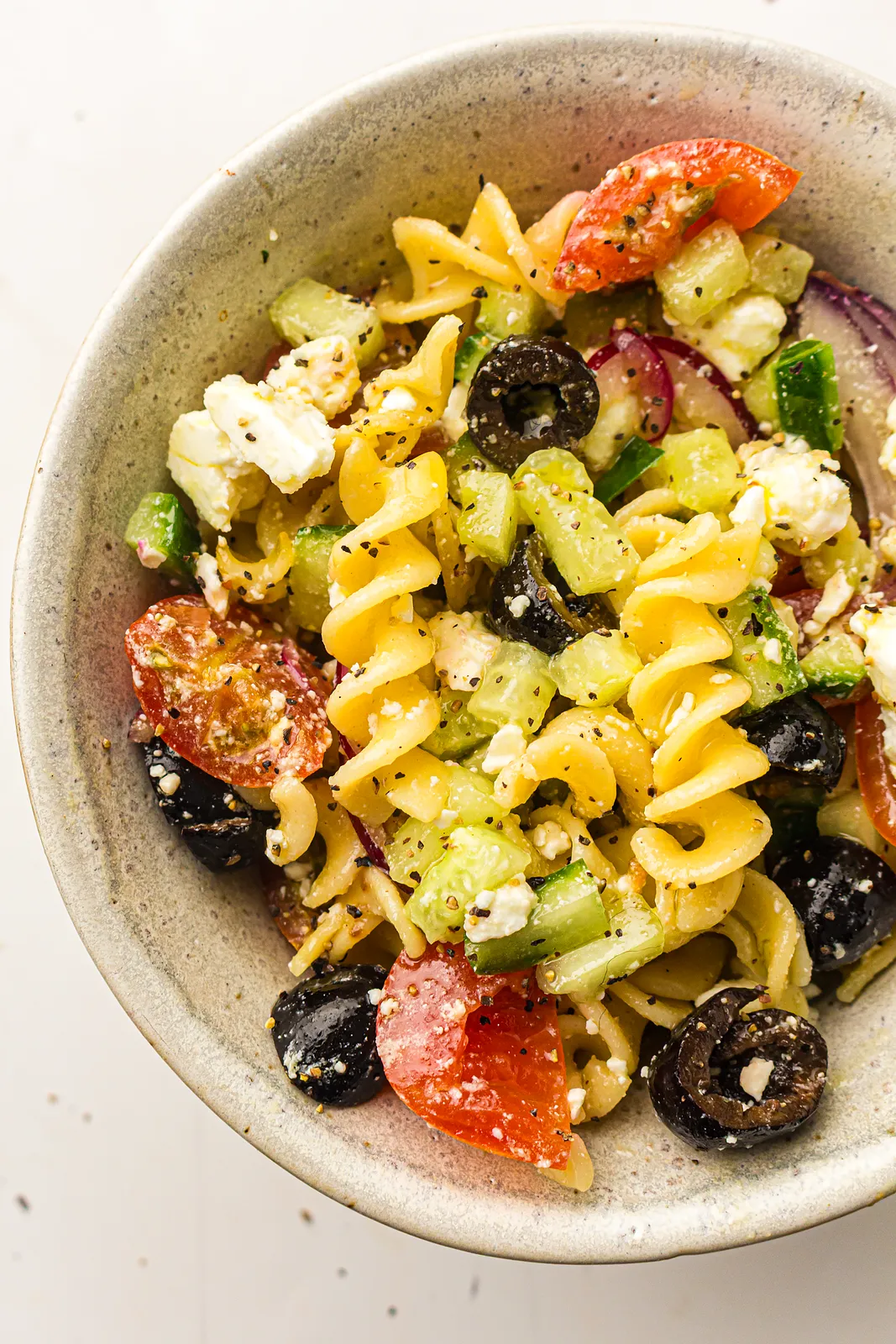
This is the salad I take to every picnic and pack for weekday lunches. Rotini, cucumber, cherry tomatoes, red onion, olives and feta are tossed in a sharp red wine vinaigrette, and it gets better as it sits. Adding a couple of boiled eggs turns it into a proper lacto ovo lunch.
Get the Greek Pasta Salad recipe →
6. Easy Baked Ziti
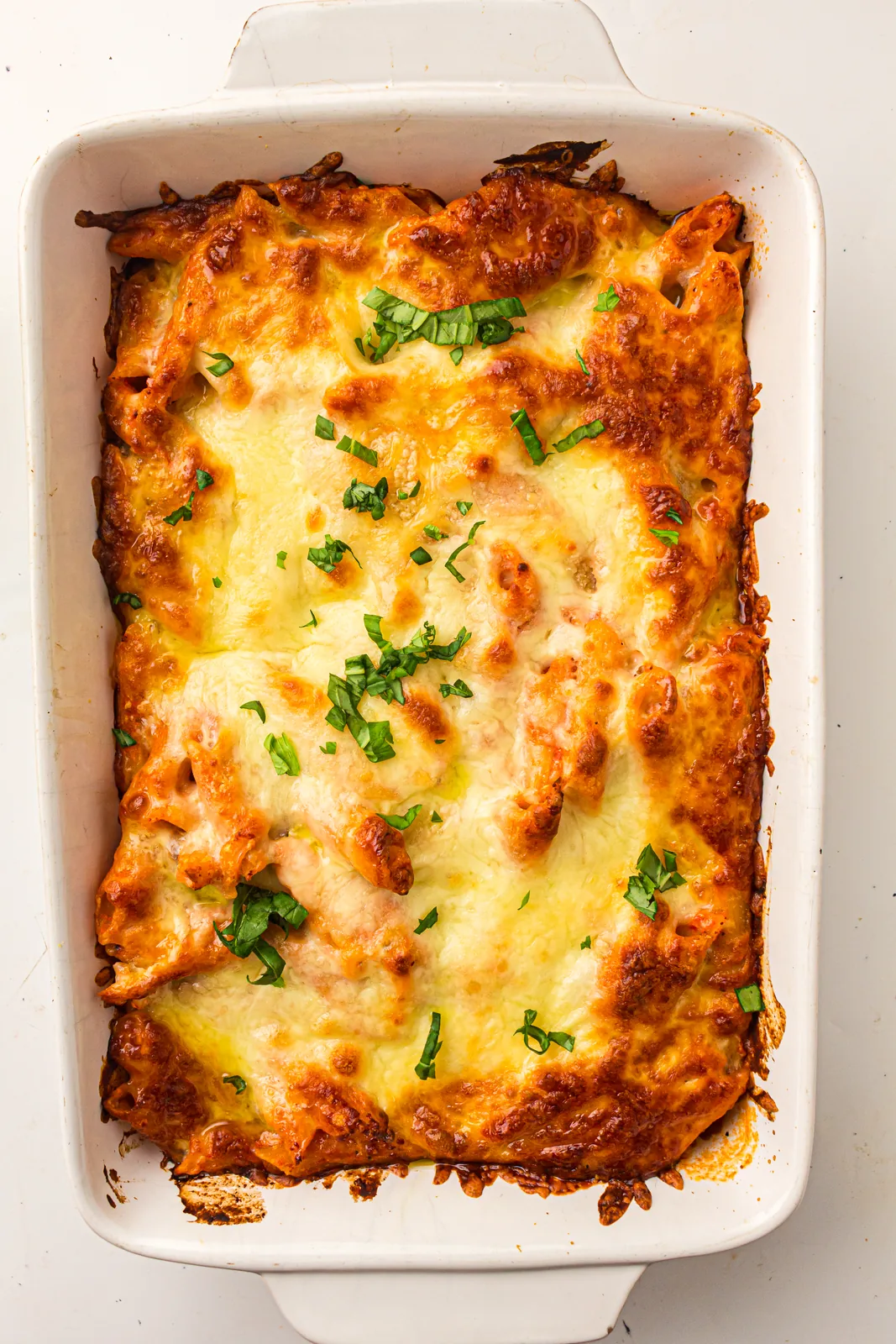
Ziti, marinara and creamy ricotta are stirred together, topped with mozzarella and a hard Italian style cheese, then baked until bubbling. It feeds six with leftovers, and nobody misses the meat. Because traditional Parmesan is made with animal rennet, I use a vegetarian hard cheese on top.
Get the Easy Baked Ziti recipe →
7. Baked Mac and Cheese
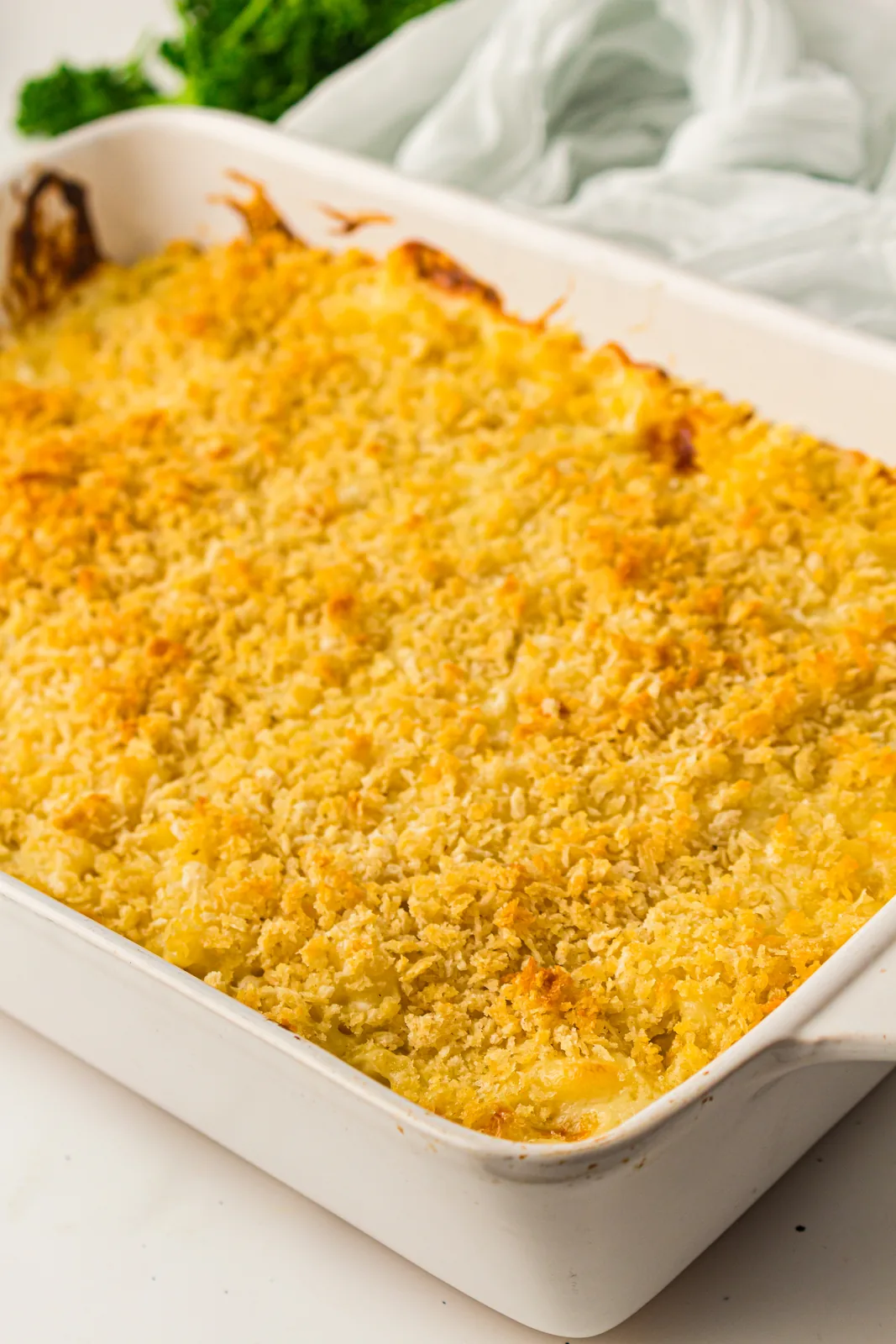
A butter and flour roux turns three cups of whole milk into a silky sauce, then cheddar, mozzarella and Monterey Jack melt in off the heat. Buttered breadcrumbs bake into a crisp golden lid. There are no eggs in it, so it suits lacto vegetarians too, and it is the dish my children ask for most.
Get the Baked Mac and Cheese recipe →
Tips for Eating This Way
- Build meals around a protein. Eggs, cheese, yogurt, beans or lentils first, then add the vegetables and grains.
- Read cheese and sweet labels. Rennet and gelatin are the two ingredients that most often sneak in.
- Do not rely on cheese alone. In addition to dairy, rotate in pulses and nuts for fibre and variety.
- Keep boiled eggs ready. A bowl in the fridge makes breakfasts and lunchboxes much easier.
- Use vegetable stock. Swap it in wherever a recipe calls for chicken or beef stock.
If your household gets through boiled eggs as fast as mine, an electric egg cooker will do a whole batch hands free while you get on with something else.
Frequently Asked Questions
The Basics
What do lacto ovo vegetarians eat?
Fruit, vegetables, grains, pulses, nuts and seeds, plus eggs and dairy such as milk, cheese, yogurt and butter. Most also eat honey.
What can lacto ovo vegetarians not eat?
Meat, poultry, fish and seafood, plus anything made from them, such as gelatin, animal stock, lard, fish sauce and cheese made with animal rennet.
What are the four main types of vegetarians?
Lacto ovo vegetarian, lacto vegetarian, ovo vegetarian and vegan. Pescatarians eat fish, so they are not usually counted as vegetarian.
Is lacto ovo vegetarian the same as vegetarian?
Mostly, yes. When people say vegetarian without any other detail, they usually mean someone who eats eggs and dairy but no meat or fish.
Eggs, Dairy and Everyday Questions
What is the difference between lacto and ovo vegetarian?
A lacto vegetarian eats dairy but no eggs, while an ovo vegetarian eats eggs but no dairy. A lacto ovo vegetarian eats both.
Can lacto ovo vegetarians eat fish?
No. Fish and seafood are animals, so they are left out, along with fish sauce, anchovies and isinglass. Someone who eats fish but no other meat is a pescatarian, which is not strictly vegetarian.
Do lacto ovo vegetarians eat honey?
Usually, yes. Honey is not meat or fish, so most people on this diet eat it, while vegans do not. It is a personal choice, so ask when you are cooking for someone else.
Is a lacto ovo vegetarian diet healthy?
It can be, as long as it is varied and planned around proteins, vegetables and whole grains. Eggs and dairy make protein, calcium and B12 easier to get.
Is all cheese suitable for vegetarians?
No. Traditional Parmesan, Pecorino and Grana Padano are made with calf rennet, so look for cheese labelled suitable for vegetarians or made with vegetarian rennet.
Is gelatin suitable for lacto ovo vegetarians?
No. Gelatin is made from animal parts, so it is out, just like animal stock. Check the labels on jelly sweets, marshmallows and some yogurts and cheesecakes, where it often hides.
