
 Bity
Bity
The question I get asked most at family dinners is about vegan vs vegetarian, usually right after someone has offered my vegan friend a slice of quiche. Honestly, it is an easy mix up, because both diets skip meat and the words even sound alike.
So I have put everything in one place: a plain answer, a simple chart, the sneaky animal ingredients that catch people out, the nutrients worth watching and ten recipes from my own kitchen, five vegan and five vegetarian. Think of it as the friendly vegan vs vegetarian cheat sheet I wish I had years ago.
Quick Breakdown
Vegan vs Vegetarian: What Is the Difference?
A vegetarian does not eat meat, poultry or fish, but usually still eats eggs, dairy and honey. A vegan goes further and avoids every animal product, so eggs, milk, cheese, butter, honey and gelatin are all out. Many vegans also avoid leather, wool and silk, because veganism is a whole way of living.
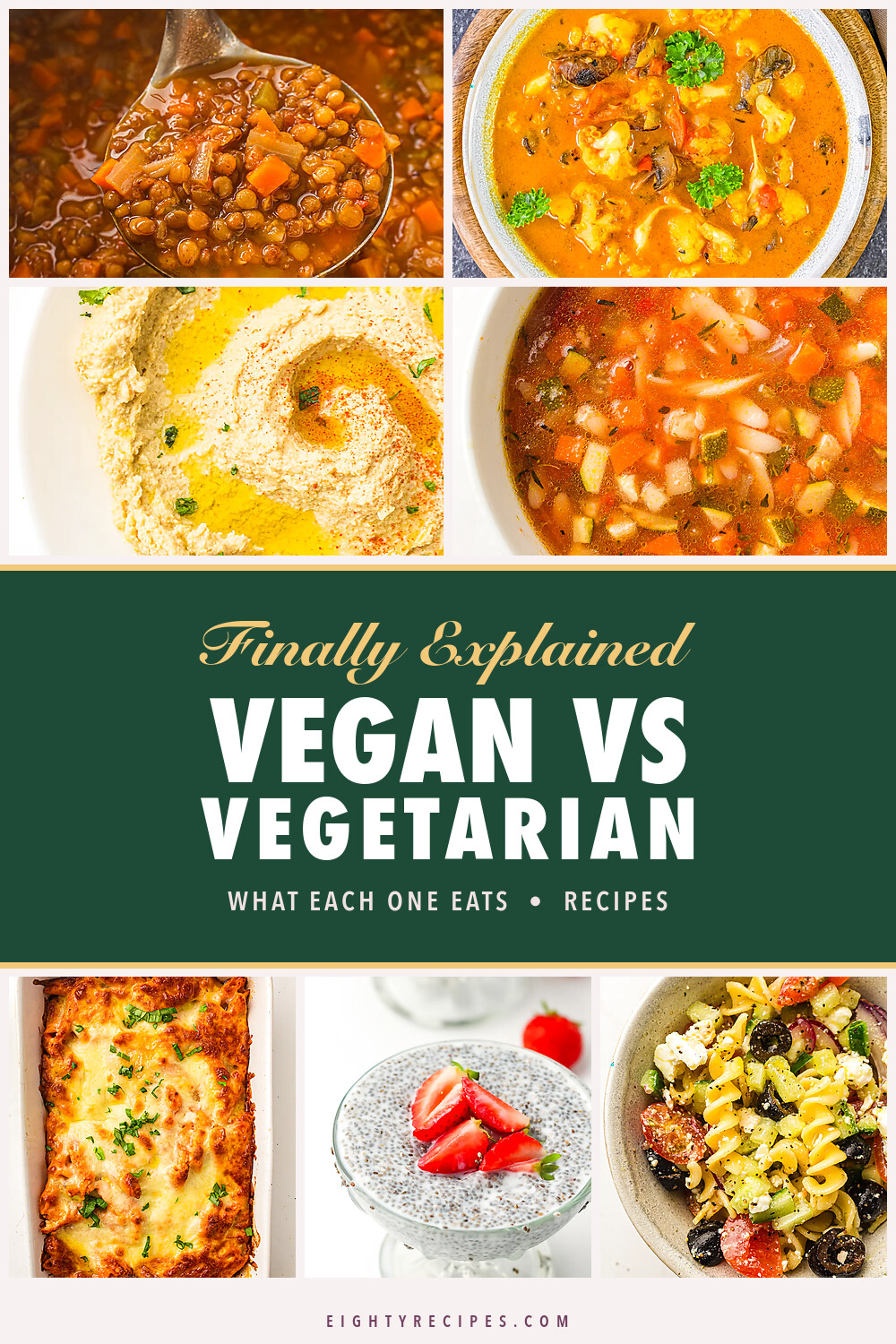
In other words, every vegan meal is also vegetarian, but not every vegetarian meal is vegan. That one line clears up most of the confusion. The line between the two is everything an animal produces without being killed, such as eggs, milk and honey. Vegetarians generally eat those foods; vegans do not.
Vegan vs Vegetarian Comparison Chart
Here is the whole vegan vs vegetarian picture at a glance. I keep a version of this stuck inside a kitchen cupboard for when friends with different diets come round for supper.
| Food or product | Vegetarian | Vegan |
|---|---|---|
| Beef, pork, lamb and game | No | No |
| Chicken, turkey and duck | No | No |
| Fish and shellfish | No | No |
| Meat or fish stock, lard and suet | No | No |
| Gelatin | No | No |
| Eggs | Yes (most) | No |
| Milk, butter, cream and yogurt | Yes (most) | No |
| Cheese | Yes, if made with vegetarian rennet | No (plant cheese only) |
| Honey | Yes | No |
| Beans, lentils, tofu, grains, nuts, fruit and vegetables | Yes | Yes |
| Leather, wool and silk | Personal choice | Usually avoided |
As you can see, the two lists only part ways at eggs, dairy, honey and animal materials. Everything else on the chart is the same for both.
Types of Vegetarian Diets
Not every vegetarian eats the same way, which is part of why the vegan vs vegetarian question gets muddled. The Academy of Nutrition and Dietetics has a clear summary in its guide to vegetarianism basics, and these are the main styles you will meet:
- Lacto ovo vegetarian. The most common kind. No meat, poultry or fish, but eggs and dairy are both fine.
- Lacto vegetarian. Dairy yes, eggs no. This is common in Indian cooking, where milk, yogurt and paneer are everyday foods.
- Ovo vegetarian. Eggs yes, dairy no. So it often suits people who are lactose intolerant.
- Vegan. No animal foods at all, which makes it the strictest form of a plant based diet.
What about pescatarians and flexitarians? A pescatarian eats fish and seafood, so they are not vegetarian, even though they skip red meat and chicken. Likewise, a flexitarian eats mostly plants but still has meat now and then. Both are perfectly good ways to eat; they just are not vegetarian, so I never use the label for them on a menu.
What Does Vegan Mean Beyond Food?
For most vegetarians the choice is about what goes on the plate. For many vegans, however, it is about avoiding animal use wherever they reasonably can. That is why a vegan friend might check a jumper for wool, skip a leather sofa or look for cruelty free shampoo.
The reasons people give overlap a lot. Some are moved by animal welfare, some by the environment and some by health, and plenty of people have a mix of all three. Still, the deciding factor in the vegan vs vegetarian split is usually ethics rather than nutrition.
Hidden Animal Ingredients to Watch For
This is where good intentions trip up, me included. Before I cook for a vegetarian or a vegan, I check labels for these:
- Gelatin. Made from animal bones and skin. It hides in jelly sweets, marshmallows, some yogurts and cheesecakes, so it is off the menu for both.
- Animal rennet. Traditional Parmesan (Parmigiano Reggiano), Pecorino, Grana Padano and many Gorgonzolas are made with calf rennet. Look for a vegetarian hard cheese labelled with vegetarian or microbial rennet instead.
- Fish sauce and anchovies. Fish sauce is in many Thai curry pastes, and anchovies are in classic Worcestershire sauce and Caesar dressing.
- Lard and suet. Found in some pastry, refried beans, mincemeat and old style puddings.
- Chicken or beef stock. Many risottos, soups and gravies start with it, so always use vegetable stock.
- Carmine. A red colouring made from crushed insects, sometimes listed as cochineal or E120 in sweets and drinks.
- Isinglass. A fish bladder product used to clear some wines and beers. Many brands now say “suitable for vegans” on the label.
- Whey, casein and ghee. These are dairy, so they are vegetarian but not vegan. Whey turns up in crisps, bread and protein bars.
For setting jellies and desserts without gelatin, I keep a small tub of agar agar powder in the cupboard, and a little goes a long way.
Nutrition to Watch on Either Diet
Both diets can be very healthy, but a few nutrients need a little thought, especially once eggs and dairy are gone. Harvard Health has a helpful piece on making the switch to a vegetarian or vegan diet that covers the same ground. This is general information rather than medical advice, so do talk to your doctor or a registered dietitian about supplements.
- Vitamin B12. It comes naturally from animal foods, so vegans need fortified foods (plant milks, cereals, nutritional yeast) or a supplement. Vegetarians get some from eggs and dairy.
- Iron. Lentils, chickpeas, tofu, spinach and fortified cereals all help. Pairing them with vitamin C, like tomatoes or a squeeze of lemon, helps your body absorb more.
- Calcium. Easy with dairy. Without it, look to fortified plant milk, calcium set tofu, kale and tahini.
- Omega 3. Since fish is out for both, chia seeds, ground flaxseed and walnuts are worth adding regularly.
- Protein. Beans, lentils, tofu, nuts, seeds and whole grains cover vegans well. Meanwhile vegetarians can add eggs, Greek yogurt and cheese.
Vegan vs Vegetarian: Which Is Healthier?
Honestly, neither wins on its own. A well planned vegan diet and a well planned vegetarian diet can both be balanced, and both tend to bring more fibre, beans and vegetables than a typical meat heavy week. That said, chips and sweets are often vegan too, so the label alone tells you very little.
The real difference is how much planning you need. A vegetarian diet has eggs and dairy as an easy safety net for protein, calcium and B12. A vegan diet asks you to be a bit more deliberate, mainly about B12, which is why fortified foods or a supplement matter so much. In the end, the healthier choice is whichever one you can eat well and happily for years.
How to Go Vegetarian or Vegan Gently
- Start with meals you already love. Pasta, curry, soup and chilli are easy to make meat free, so begin there rather than with unfamiliar dishes.
- Try a few meat free days a week. After that, add more days once you have a handful of favourites.
- Swap one ingredient at a time. Use vegetable stock instead of chicken, then lentils in a Bolognese, then oat milk in your tea.
- Keep a tin cupboard. Chickpeas, lentils, beans, coconut milk and chopped tomatoes mean a proper dinner is always twenty minutes away.
- Read labels for the hidden ingredients above. In fact, this one habit matters more than any recipe.
- Be kind to yourself. One slip is not failure. Most people I know settled into it over months, not days.
If you want a head start, my vegetarian meal prep plan turns two hours on Sunday into five days of meatless breakfasts, lunches and dinners, with a shopping list to match.
Vegan Recipes to Try
Next come my favourite recipes from both sides of the vegan vs vegetarian table, numbered one to ten so you can save them easily. These first five are fully vegan as written, so they suit everyone at the table, vegetarians included.
1. Vegetarian Lentil Soup
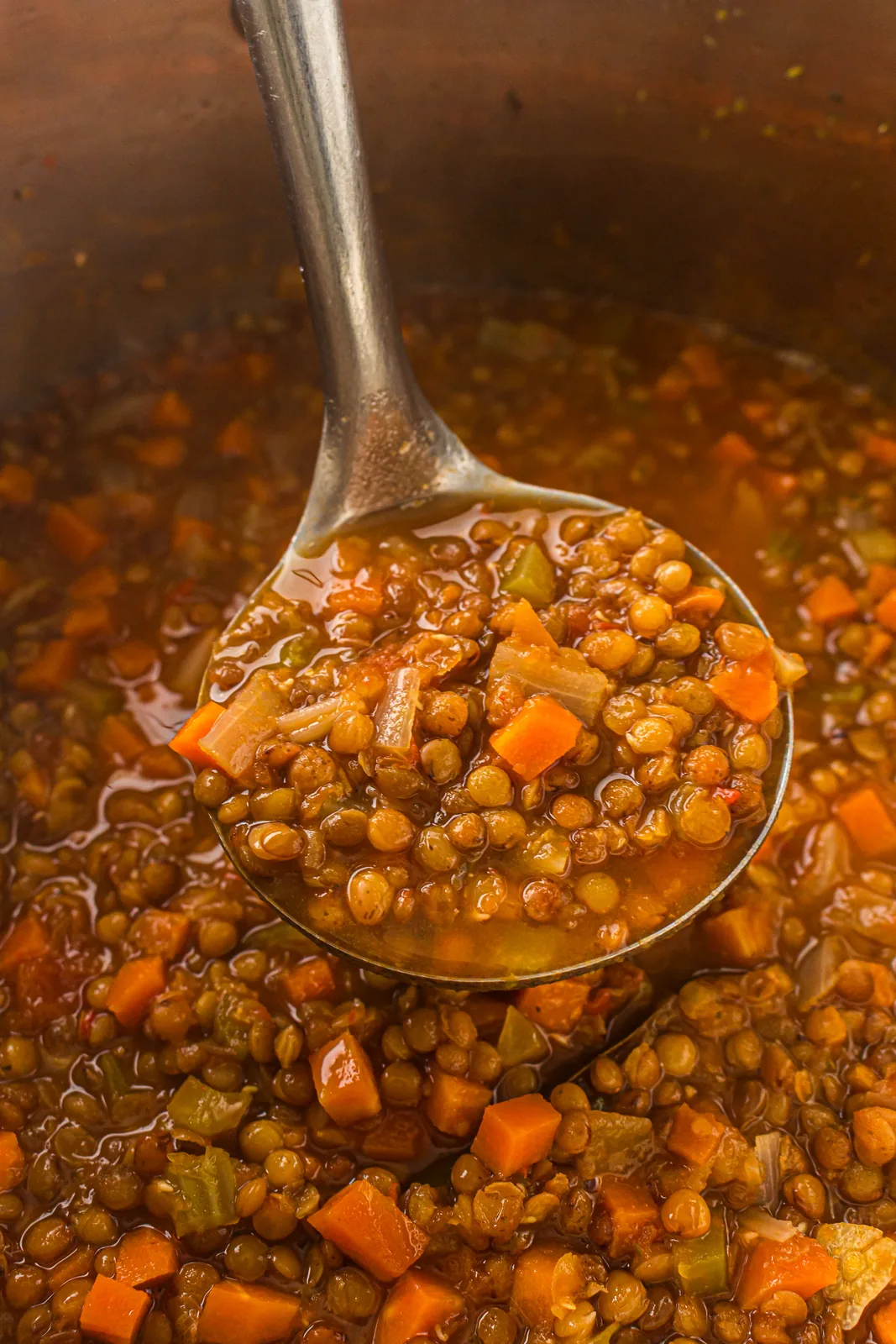
Despite the name, this soup is completely vegan. Brown lentils simmer with onion, carrot, celery, tomatoes, cumin and paprika in vegetable broth, with olive oil instead of butter and no cheese on top. My secret is a splash of vinegar at the end, because it wakes the whole pot up. It is cheap, filling and full of plant protein and iron.
Get the Vegetarian Lentil Soup recipe →
2. Slow Cooker Minestrone Soup
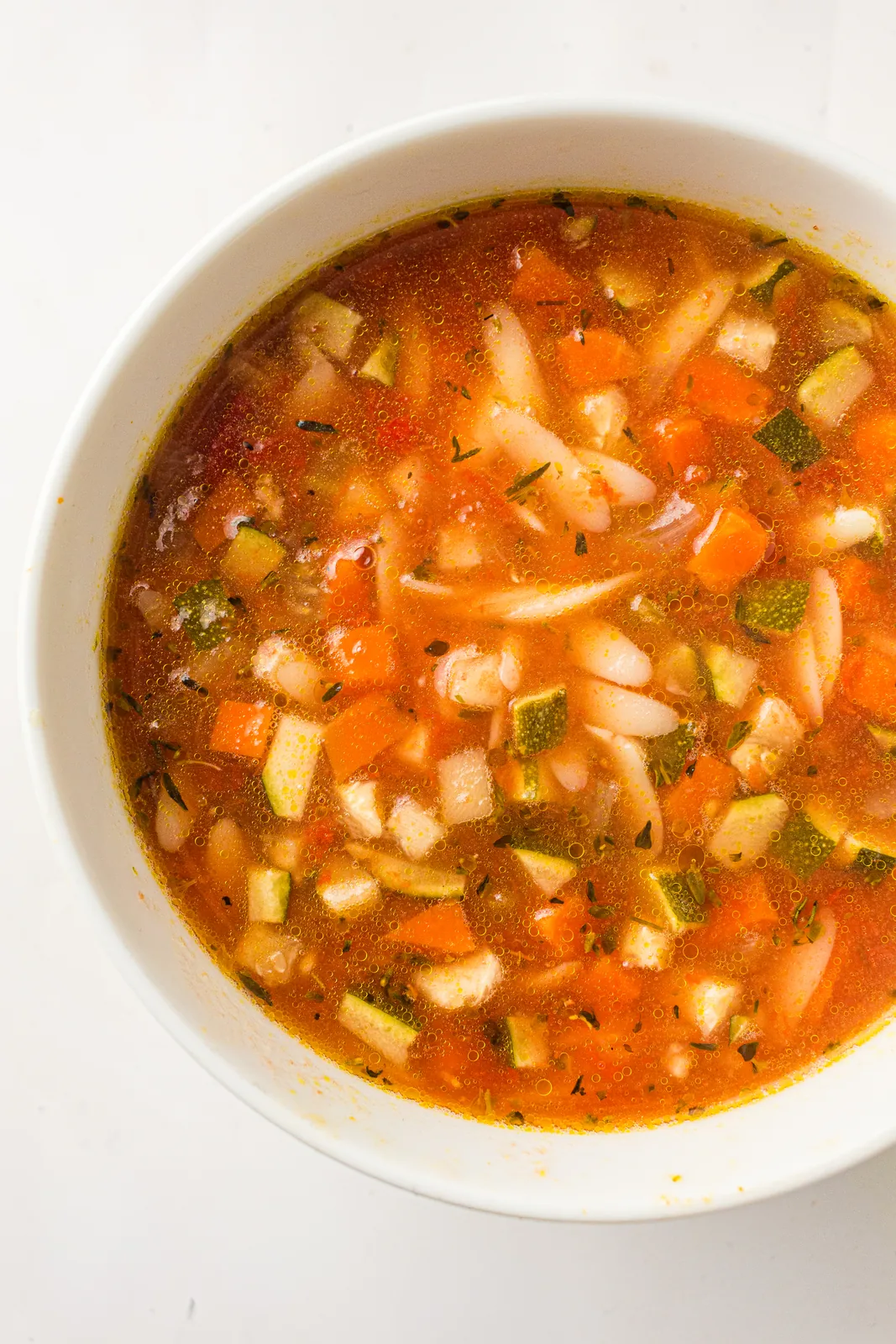
Minestrone is often finished with Parmesan, but mine is vegan as written. Cannellini beans, courgette, tomatoes, spinach and small pasta cook gently in vegetable stock all day while I get on with life. The beans give up a little starch and thicken the broth, so it never needs cheese to feel rich. Of course, day two is even better.
Get the Slow Cooker Minestrone Soup recipe →
3. Coconut Chickpea Curry
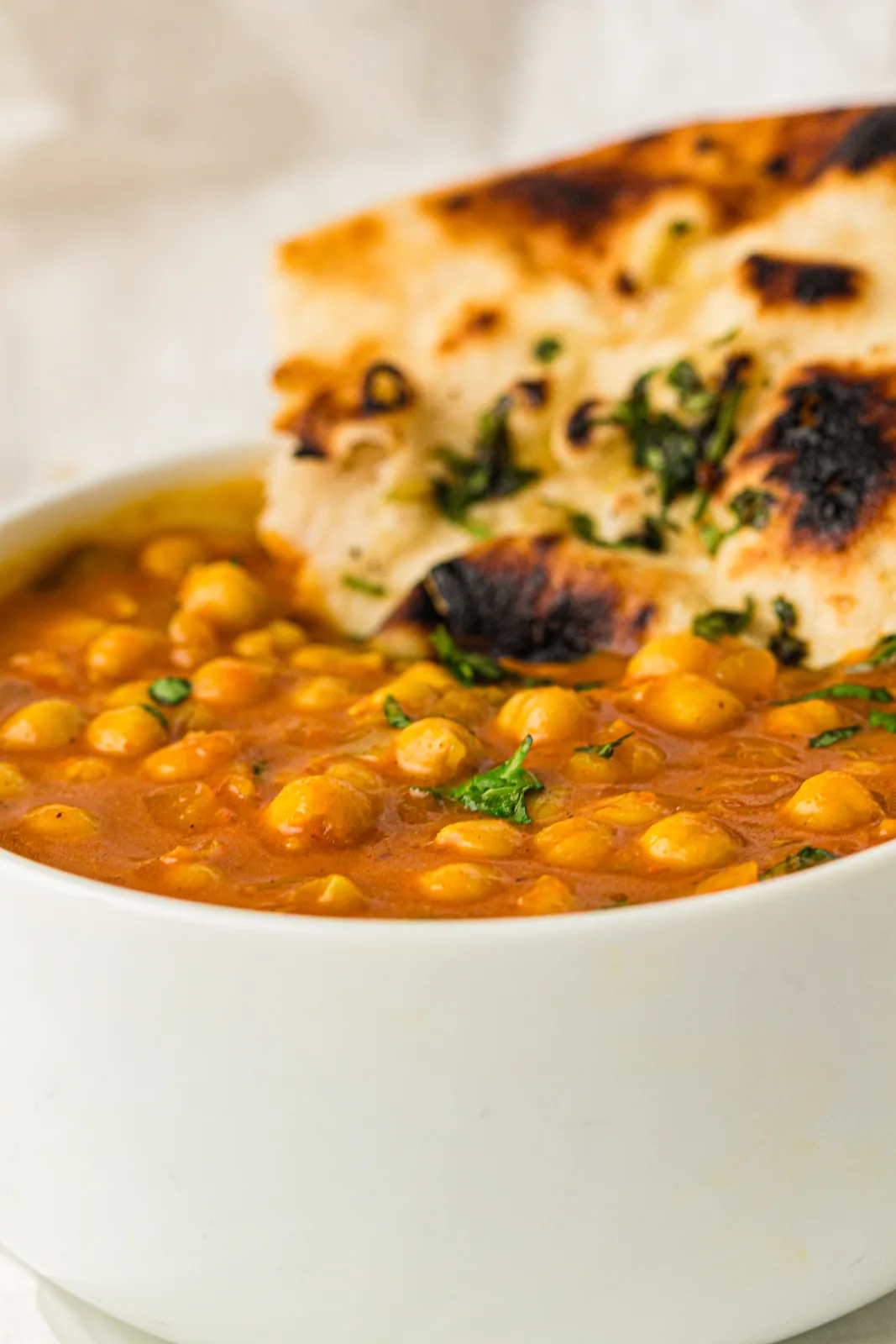
This is the curry I make when the fridge is bare, since it comes almost entirely from tins. Chickpeas, chopped tomatoes and full fat coconut milk simmer with curry spices, while shiitake mushrooms and a little soy sauce bring the savoury depth that meat usually gives. As a result, nobody at my table has ever asked where the chicken went.
Get the Coconut Chickpea Curry recipe →
4. Cauliflower Mushroom Masala
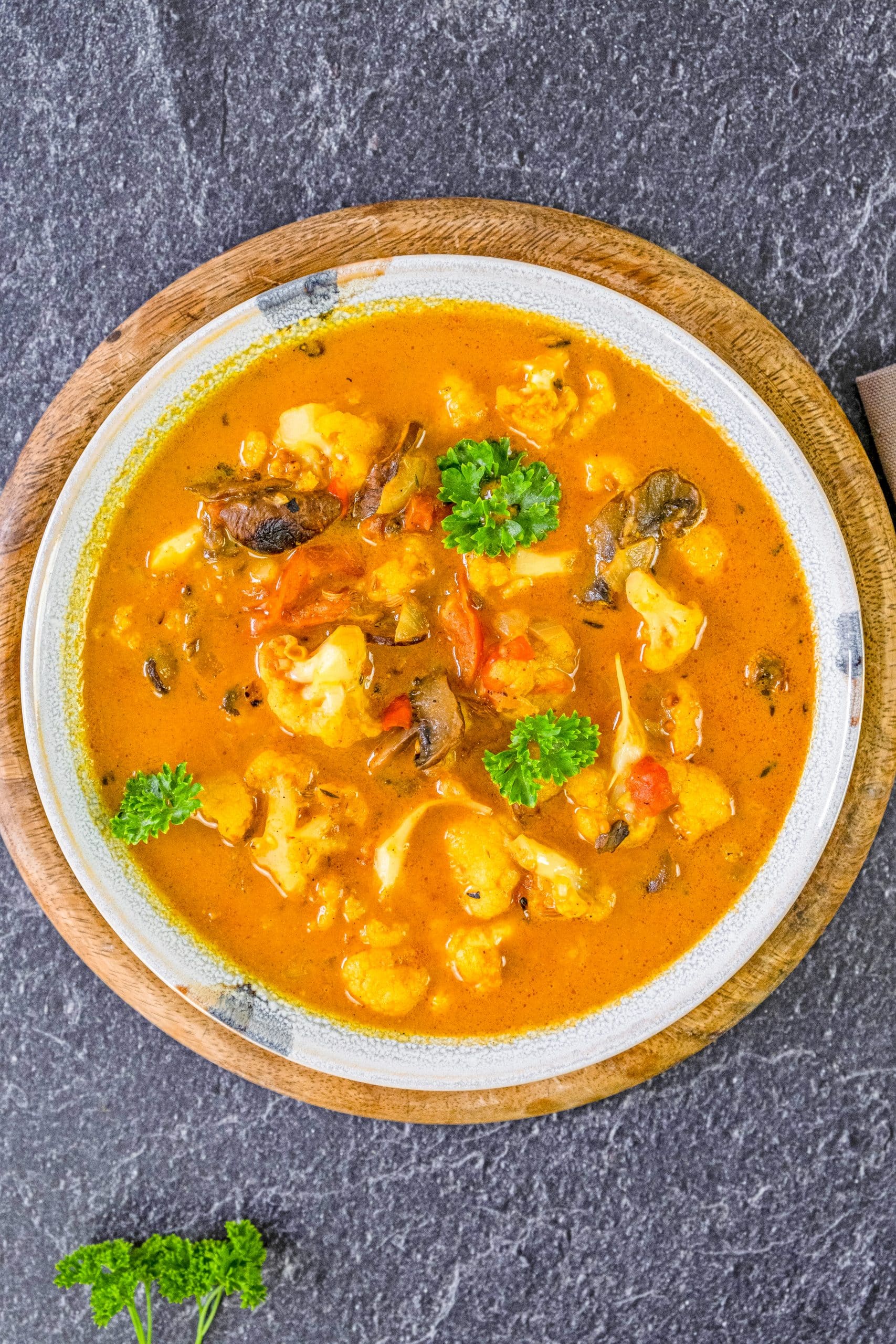
Cauliflower and button mushrooms soak up a gravy of onion, tomato, ginger, garlic and warm spices, then grated coconut is cooked in to make it thick and silky. It is a lovely example of how Indian home cooking has always been brilliant at meat free food. The spices are toasted in oil rather than ghee, so it stays vegan.
Get the Cauliflower Mushroom Masala recipe →
5. Hummus
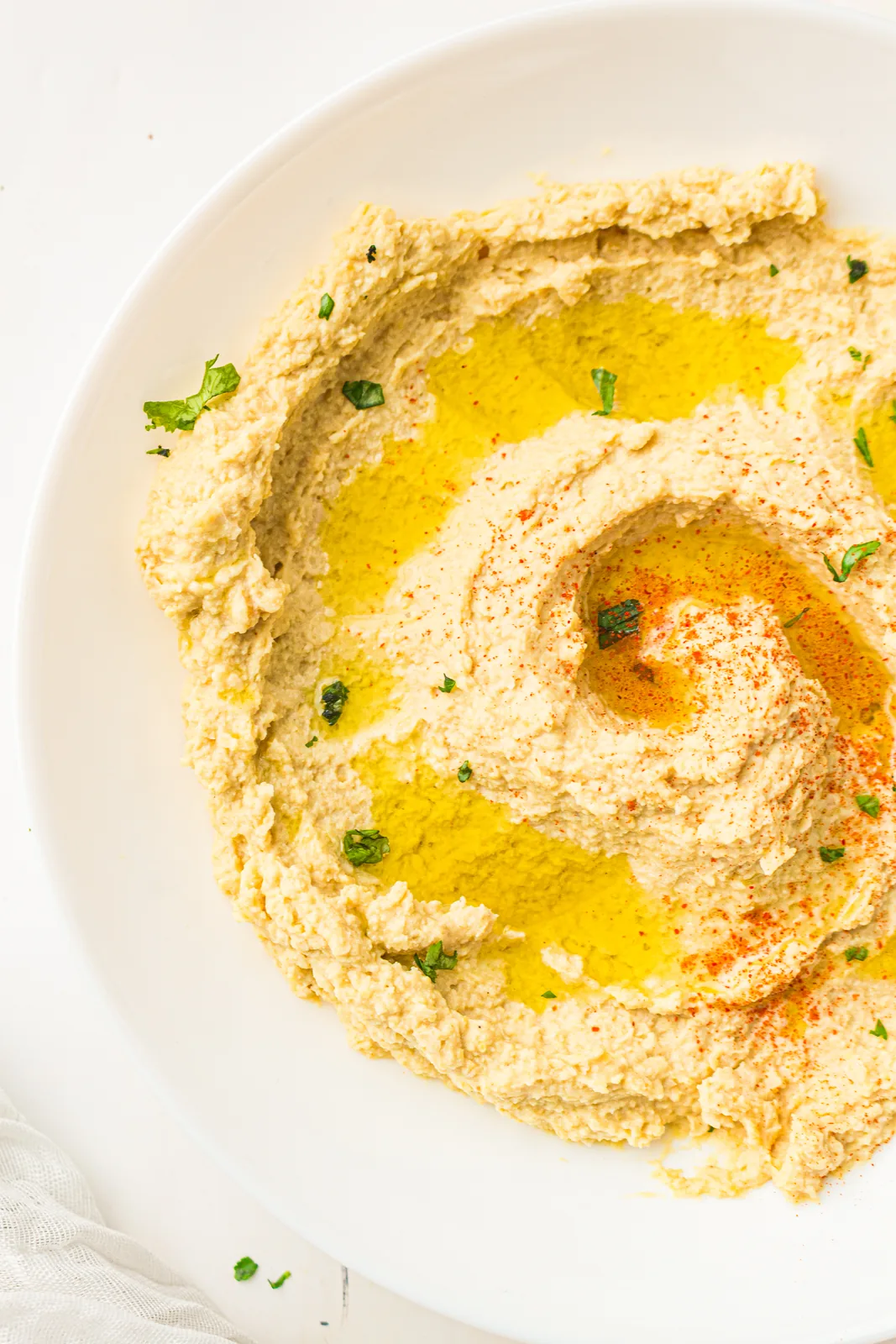
Hummus is one of the easiest vegan foods there is, and homemade is miles better than the tub. One tin of chickpeas, tahini, lemon, garlic, olive oil and cold water is all it takes. My trick is to simmer the chickpeas for ten minutes first, because warm chickpeas blend silky smooth. Tahini is also a handy source of calcium.
Vegetarian Recipes to Try
These five contain dairy or honey, so they are vegetarian but not vegan. Where there is an easy swap to make one vegan, or a cheese to check, I have said so.
6. Easy Baked Ziti
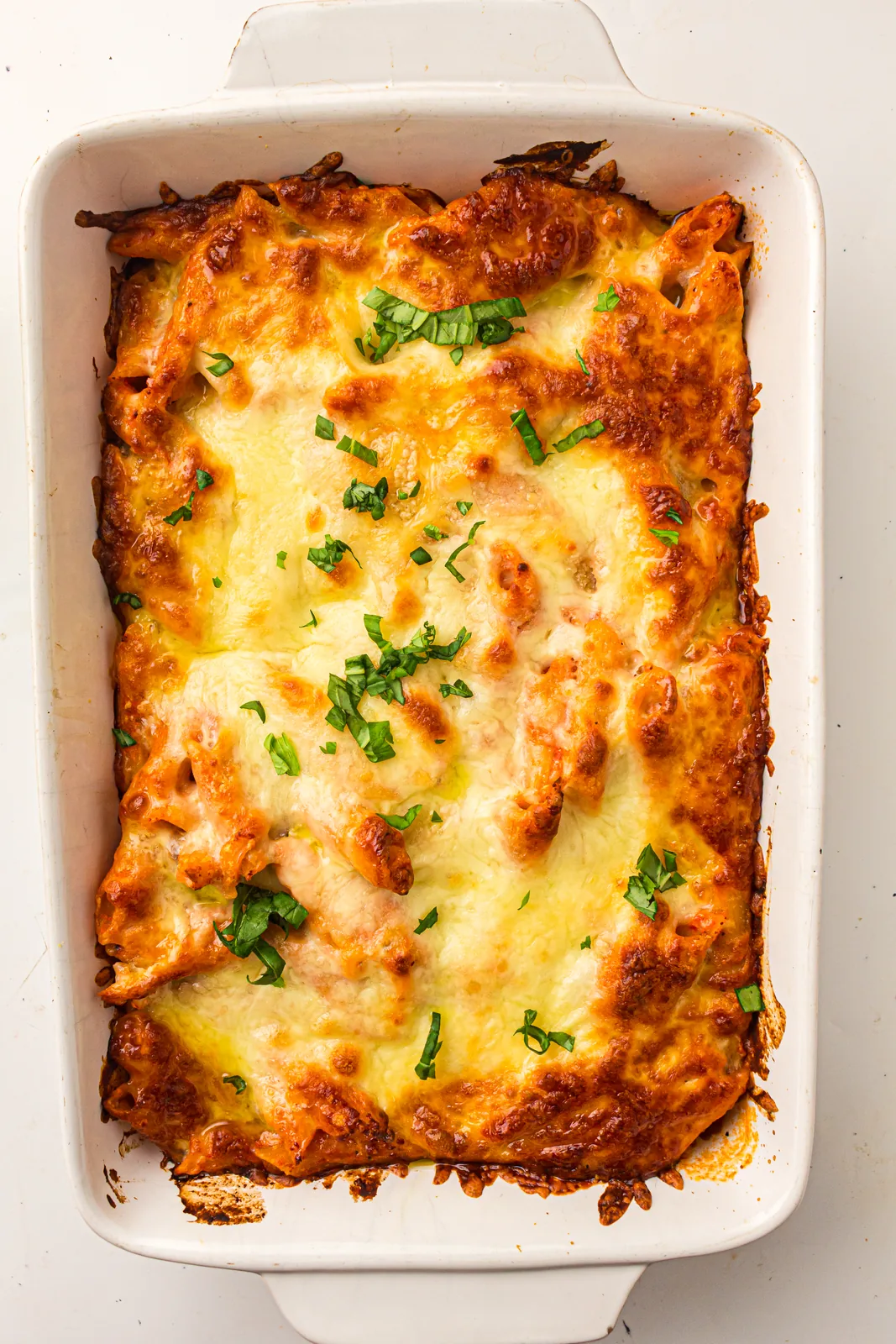
This is my crowd pleaser for Sunday lunch, and nobody misses the meat. Ziti is tossed with marinara and creamy ricotta, then baked under mozzarella and a hard Italian cheese until golden. Because it uses ricotta and mozzarella, it is vegetarian rather than vegan. However, traditional Parmesan is made with animal rennet, so I use a vegetarian hard cheese on top.
Get the Easy Baked Ziti recipe →
7. Greek Pasta Salad
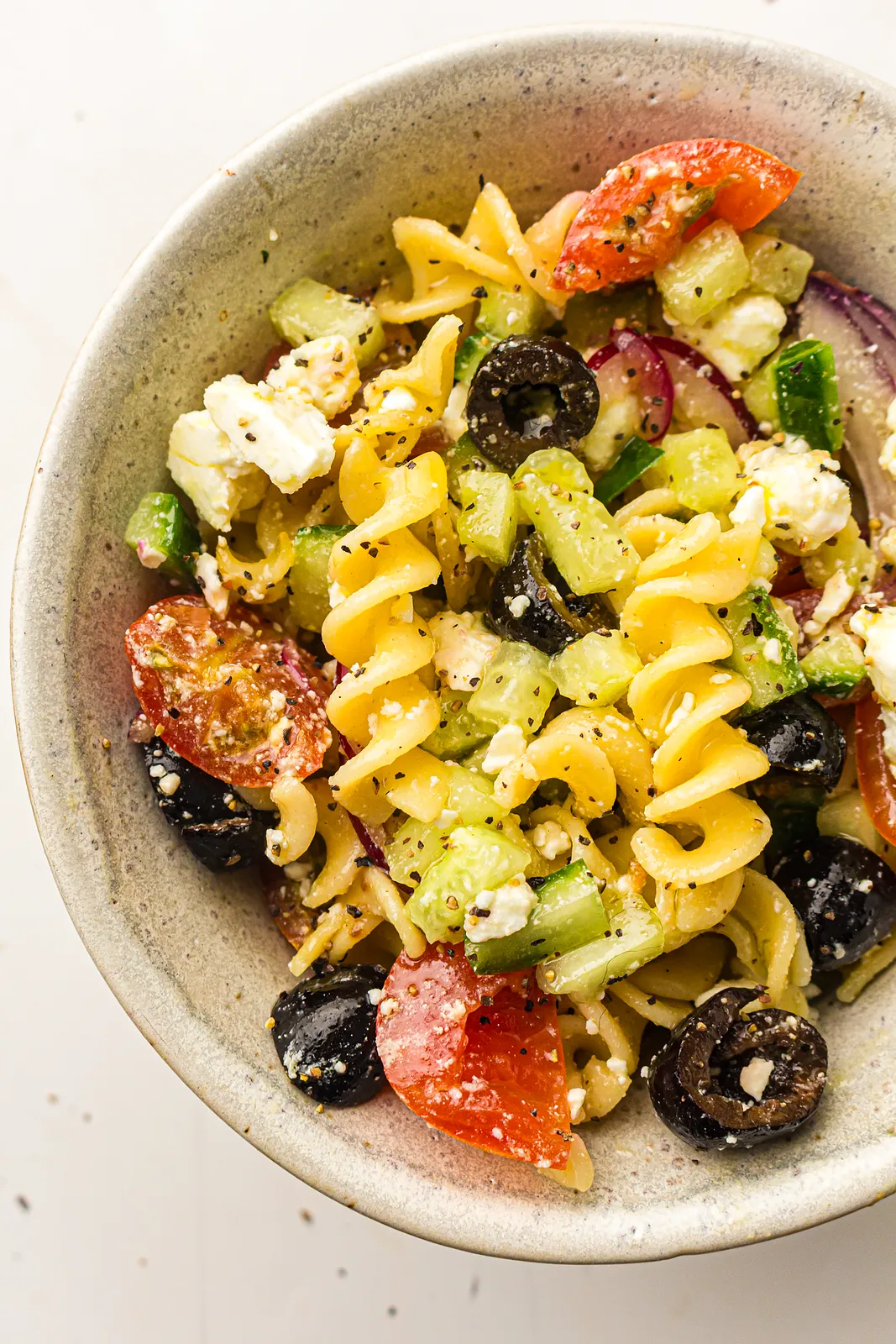
This is the bowl I carry to every barbecue, and it always comes home empty. Rotini, cucumber, cherry tomatoes, red onion, olives and feta are tossed in a sharp red wine vinegar dressing. The feta makes it vegetarian. Better yet, leave the feta out and use an egg free pasta, and you have a vegan salad with almost no extra effort.
Get the Greek Pasta Salad recipe →
8. Chia Pudding
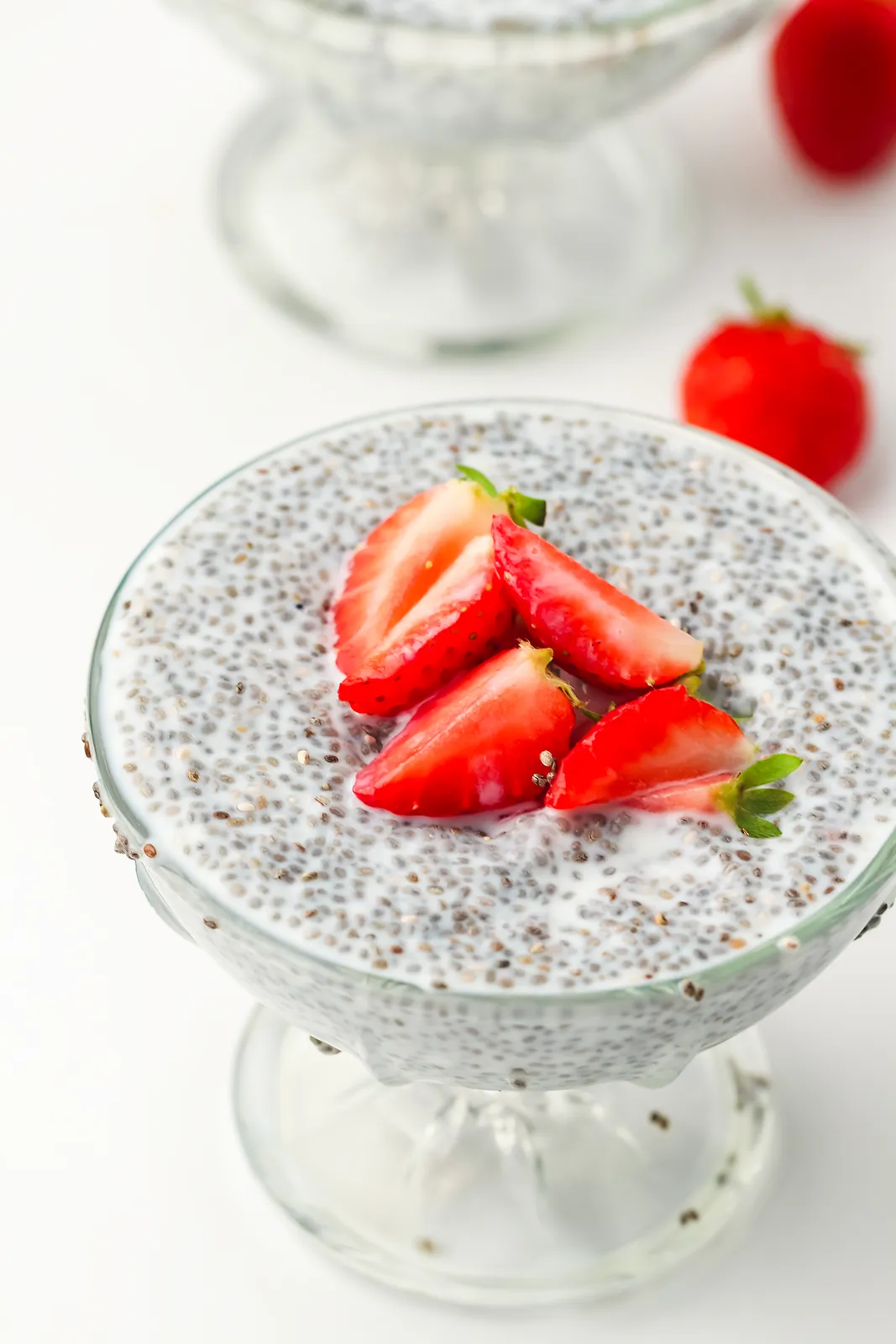
Three ingredients go into a jar on Sunday night, and by morning I have a thick, creamy breakfast. Chia seeds are one of the best plant sources of omega 3, which matters when fish is off the table. As written, it uses milk and honey, so it is vegetarian. That said, switch to oat or almond milk and maple syrup, and it becomes vegan.
9. Baked Mac and Cheese
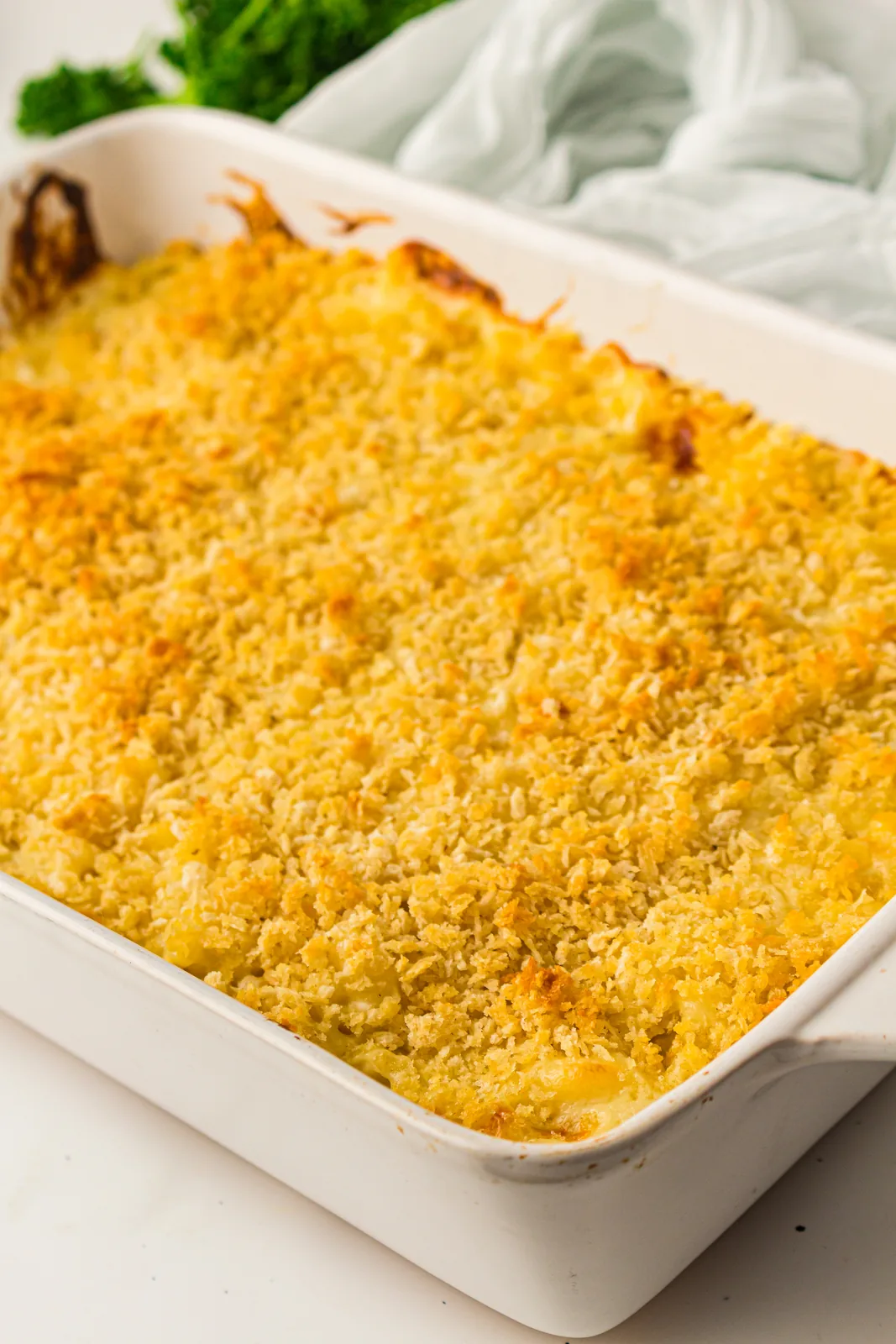
This is the one I carry to potlucks, and the dish always comes home empty. A simple butter and flour roux turns three cups of whole milk into a sauce, then sharp cheddar, mozzarella and Monterey Jack melt in off the heat. Buttered breadcrumbs go over the top and bake into a crisp golden lid. Because of all that milk, butter and cheese, it is vegetarian rather than vegan.
Get the Baked Mac and Cheese recipe →
10. Instant Pot Mac and Cheese
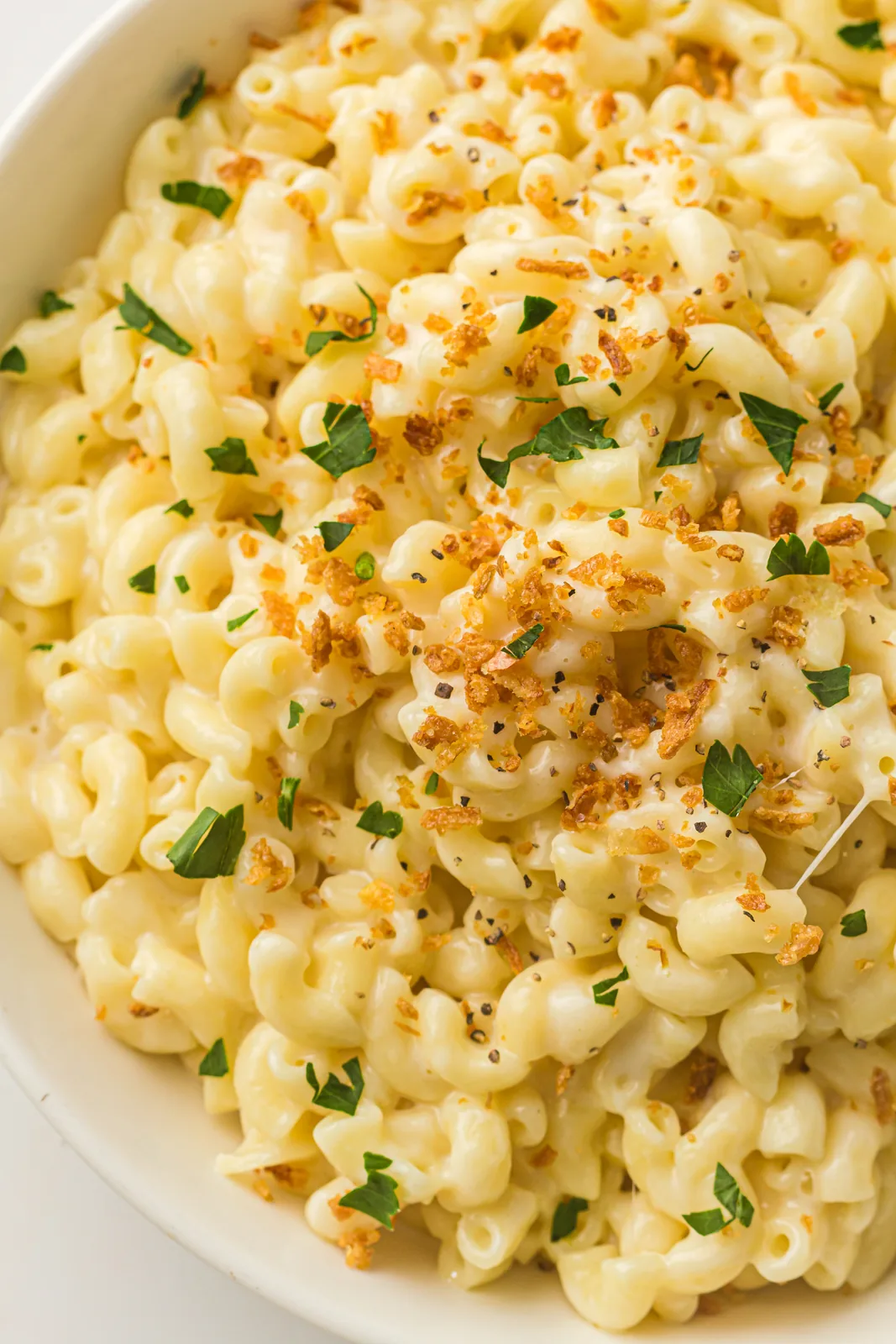
If the baked version is for Sunday, this is the weekday one. Fifteen minutes, one pot, and no roux. The macaroni cooks in just enough water to leave a starchy base behind, then milk, butter and cheddar are stirred straight in. It is vegetarian because of the dairy, and it is the meal my kids request most. Since cheddar can be made with either kind of rennet, I always check the label.
Get the Instant Pot Mac and Cheese recipe →
Frequently Asked Questions
Vegan vs Vegetarian: Eggs, Dairy and Cheese
Are eggs vegetarian?
Yes. Most vegetarians eat eggs, because no animal is killed to produce them. However, vegans do not eat eggs, and lacto vegetarians skip them too.
Is cheese vegetarian?
Usually, but not always. Some cheeses, including traditional Parmesan, are made with animal rennet from calves. So look for cheese labelled suitable for vegetarians or made with microbial rennet.
Do vegans eat dairy?
No. Vegans avoid milk, butter, cream, yogurt and cheese, and they use plant milks, vegan butter and plant based cheese instead.
Honey, Fish and Gelatin
Is honey vegan?
No. Honey is made by bees, so most vegans avoid it and use maple syrup or agave instead. Honey is, however, vegetarian.
Can vegetarians eat fish?
No. Fish and seafood are animals, so they are not vegetarian. Someone who eats fish but no other meat is a pescatarian.
Is gelatin vegetarian?
No. Gelatin is made from animal bones and skin, so it is neither vegetarian nor vegan. Instead, agar agar is a good plant based setting agent.
