 Bity

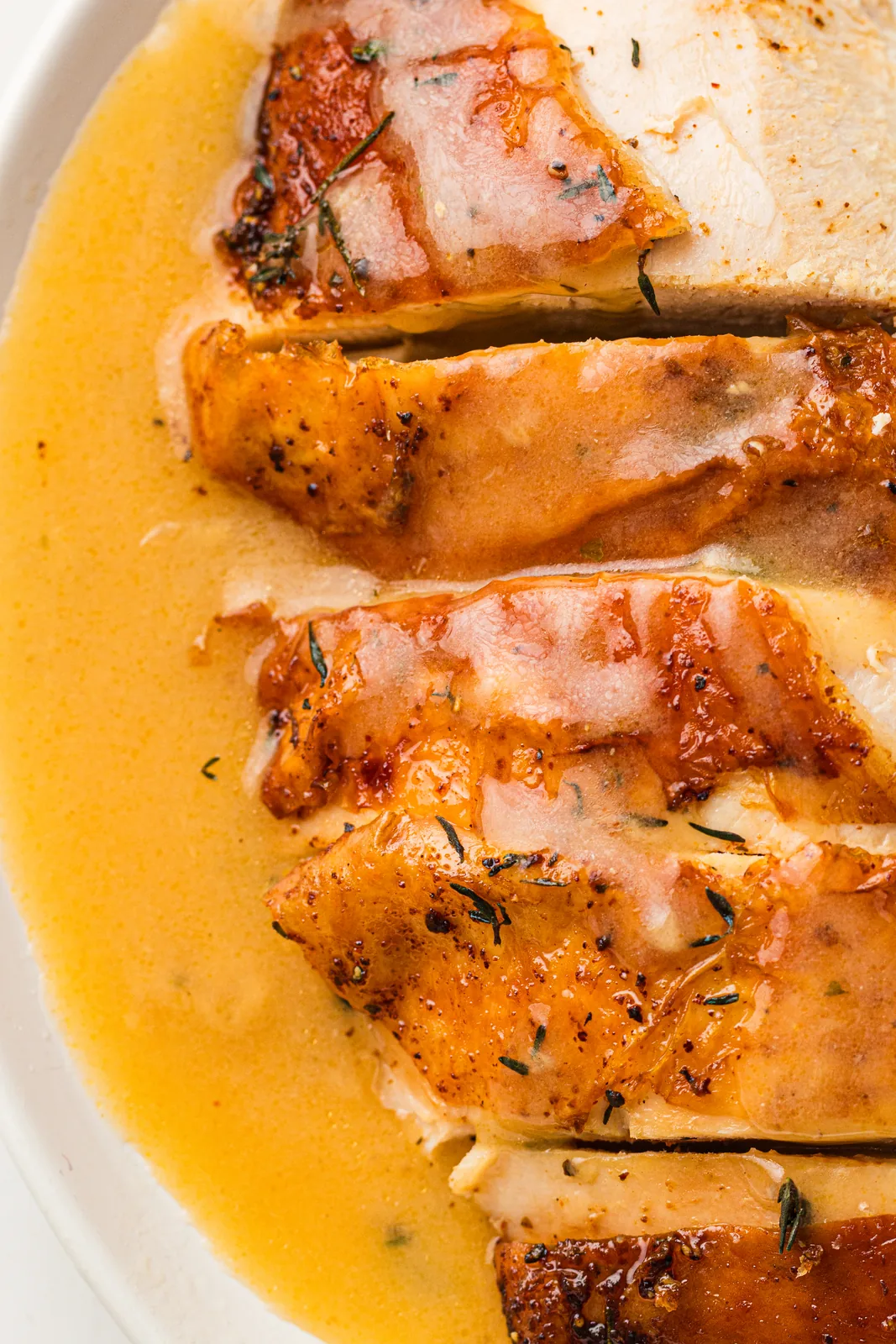
Everything else on the table can be made a day ahead, but turkey gravy is the one thing that has to happen while ten people hover in the kitchen asking if you need help. So it needs to be quick, and it needs to work first time.
This one takes fifteen minutes and three ingredients you already have. The drippings do the flavouring, the flour does the thickening, and the only real technique is adding the stock slowly enough that nothing seizes.

Quick Breakdown
Why You’ll Love This Turkey Gravy
- Fifteen minutes, start to jug. It fits in the window while the bird rests.
- Three real ingredients. Pan drippings, flour and stock, plus salt and pepper.
- No packet needed. Because the drippings carry all the roasted flavour a packet tries to imitate.
- It scales easily. In fact you can double it without changing anything except the pan size.
- Serves four to six. Meanwhile leftovers freeze for three months, which is useful in December.
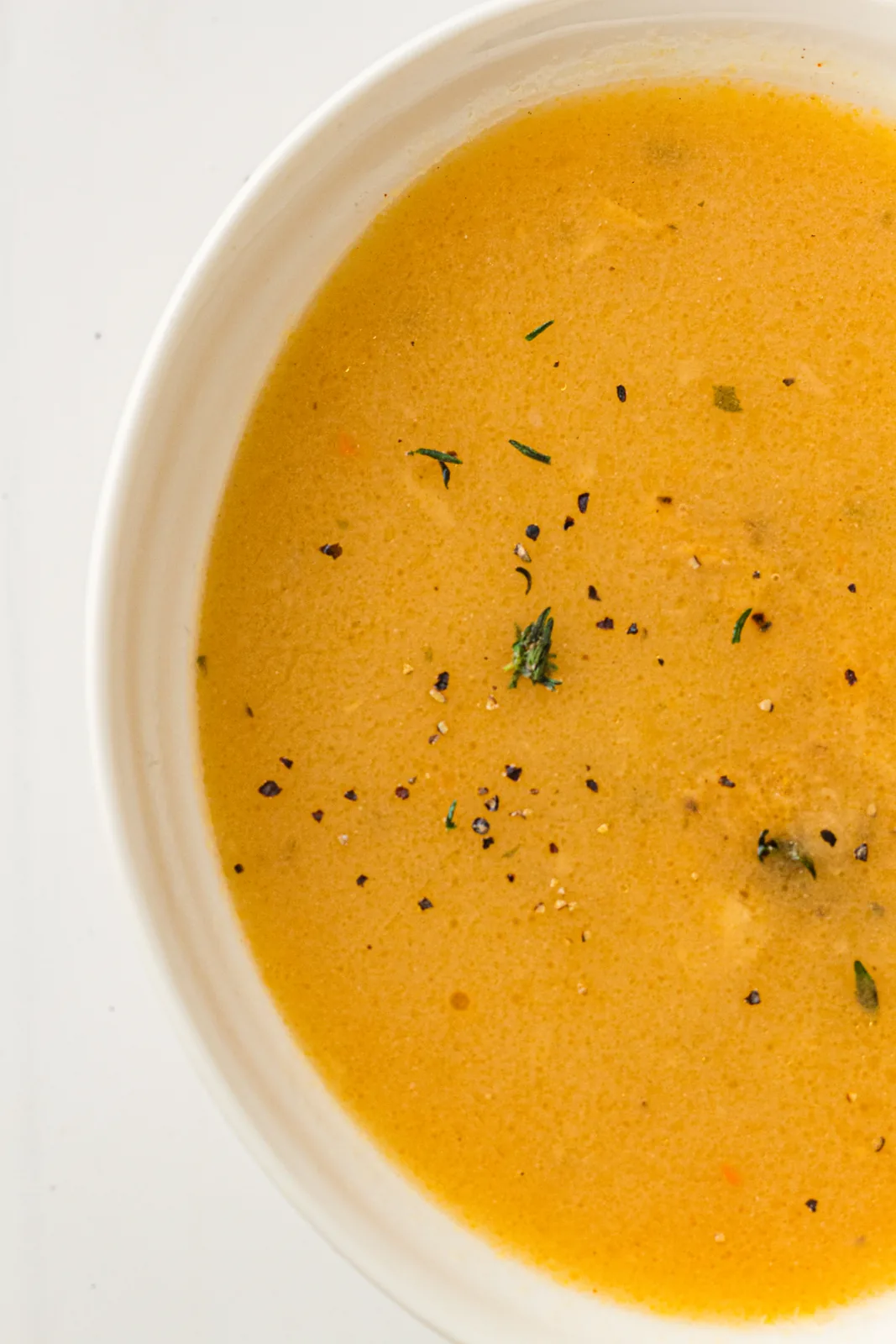
Ingredient Notes
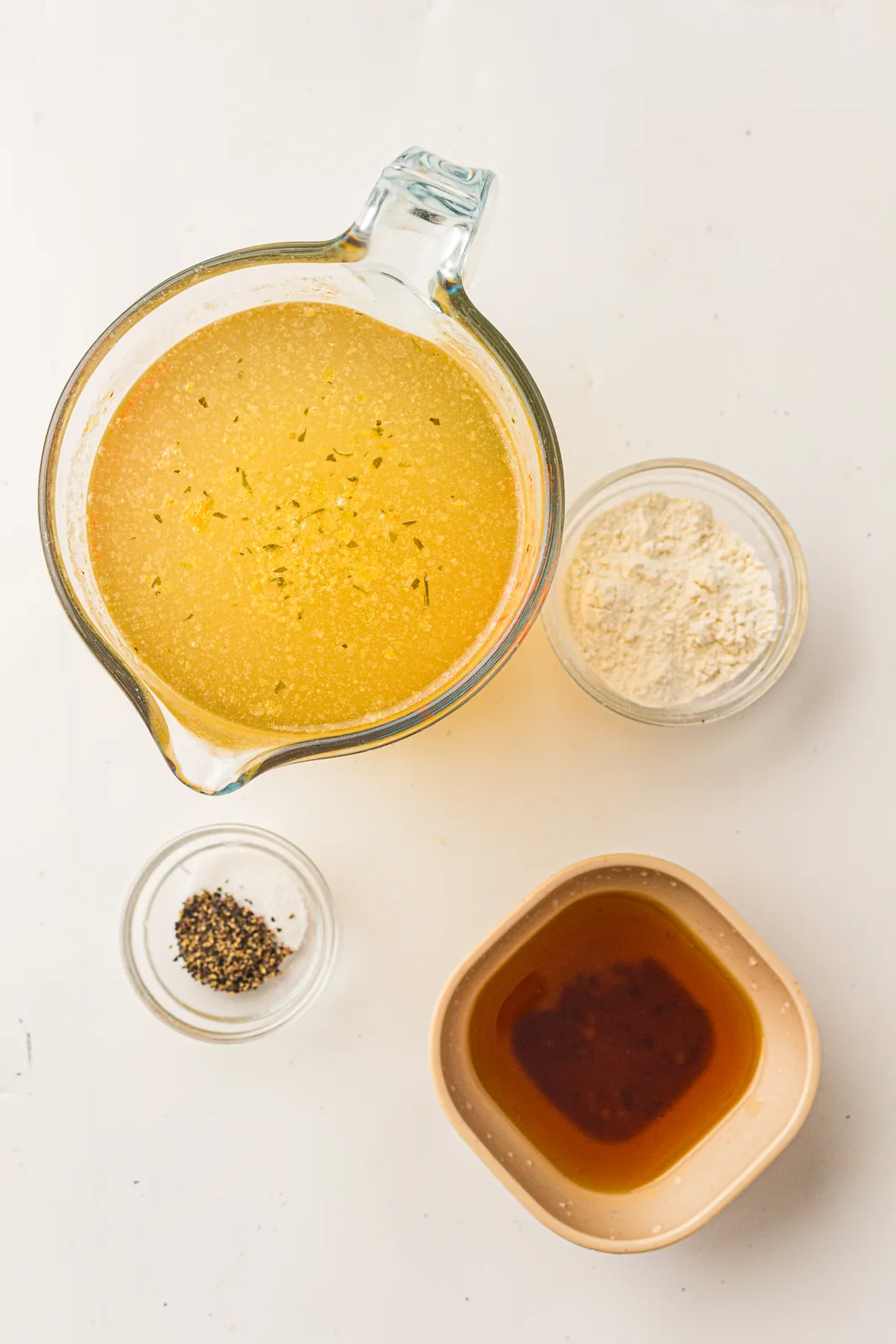
- Pan drippings. Two to four tablespoons of the fat from the roasting tray. This is where the flavour lives, so do not wash that tray out.
- Plain flour. Two tablespoons. Equal in volume to the fat, which is what makes a roux behave.
- Stock. Two cups of turkey or chicken stock. Warm it first if you can, since warm liquid blends in far more smoothly.
- Salt and black pepper. Season at the end, never at the start, because the gravy reduces and concentrates as it simmers.
- Optional herbs. A sprig of thyme dropped in while it thickens, then fished out. Turkey is a genuinely lean bird, and Harvard Health lays out how the rest of the plate stacks up beside it.
What Are Drippings and How Do You Use Them?
Drippings are what collects in the roasting tray while the bird cooks. They come in two layers. Clear fat floats on top and dark savoury juices sit underneath.
You want a little of both. Spoon two to four tablespoons of the fat off the surface for the roux, then add any dark juices to your stock rather than throwing them away.
If the tray has crusty brown bits stuck to it, pour a splash of stock in and scrape them loose with a wooden spoon while the tray is still warm. That is free flavour, and it is the difference between decent turkey gravy and the kind people remember.
When there is a lot in the tray, I pour it all into a fat separator jug so the fat rises to the top and the dark juices come out of the spout underneath.
How To Make Gravy Without Drippings
It happens. You are making the turkey gravy ahead, or the bird is a crown that produced almost nothing, or you are serving it with something else entirely.
Swap the drippings for the same amount of butter. Then use a well flavoured stock, because with no roasting juices the stock is doing all the work on its own.
A teaspoon of soy sauce or a small spoon of Marmite stirred in at the end adds back the savoury depth you lost. It sounds odd and it is the trick I use every single time.
How To Make Turkey Gravy
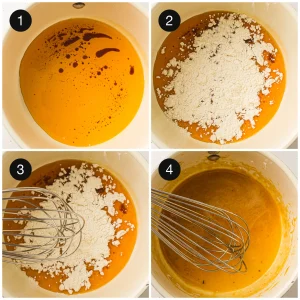
1. Spoon off the fat. First tilt the roasting tray and lift 2 to 4 tablespoons of the clear fat into a saucepan over medium heat.
2. Cook the roux. Next whisk in the flour and keep whisking for a full minute. It should smell nutty rather than raw, and turn a shade darker.
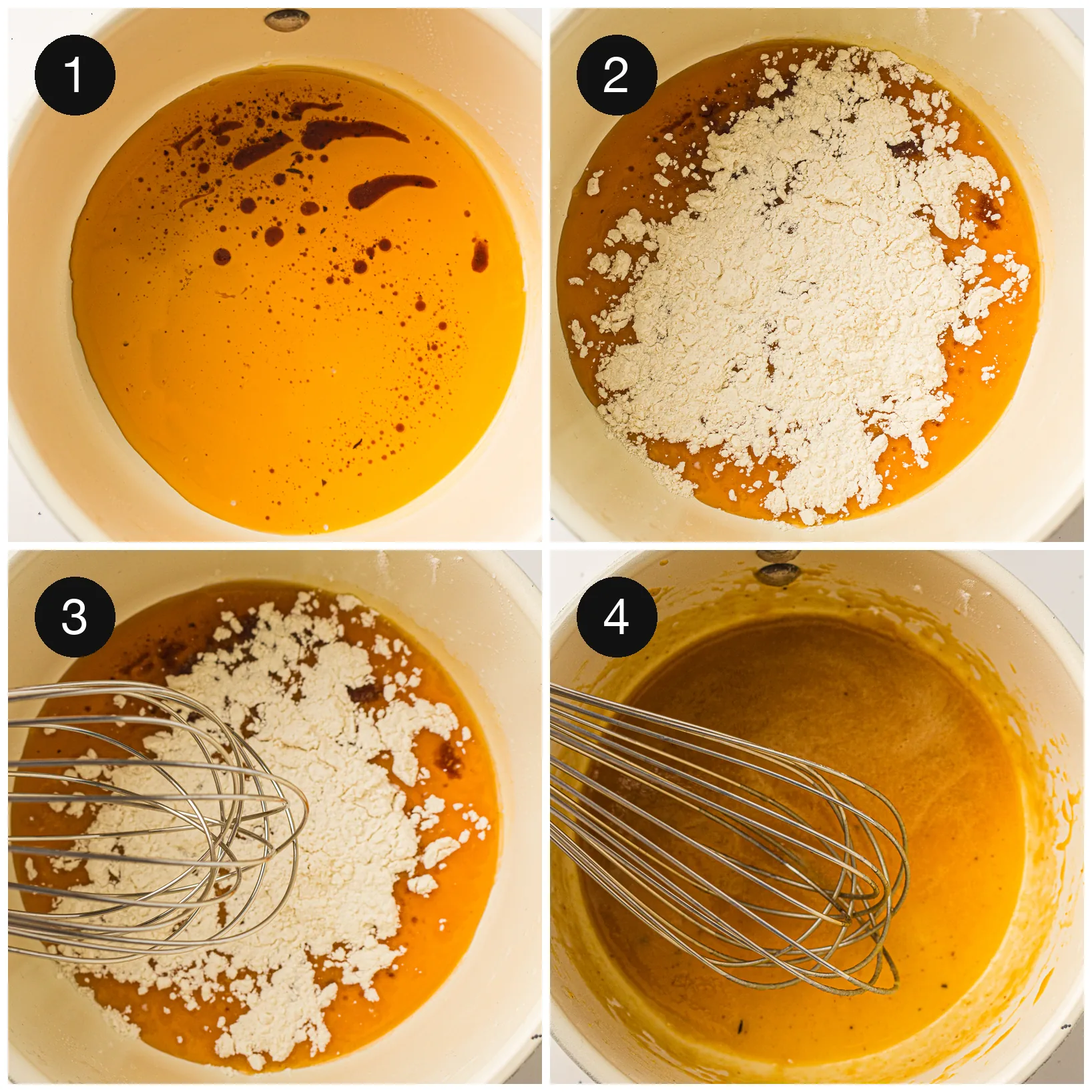
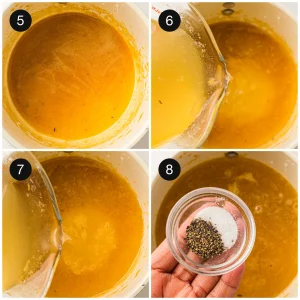
3. Add the stock slowly. Then pour in the stock a splash at a time, whisking after each addition until the paste loosens completely before the next goes in.
4. Bring it together. After that, once about half the stock is in, you can add the rest more freely and whisk until smooth.
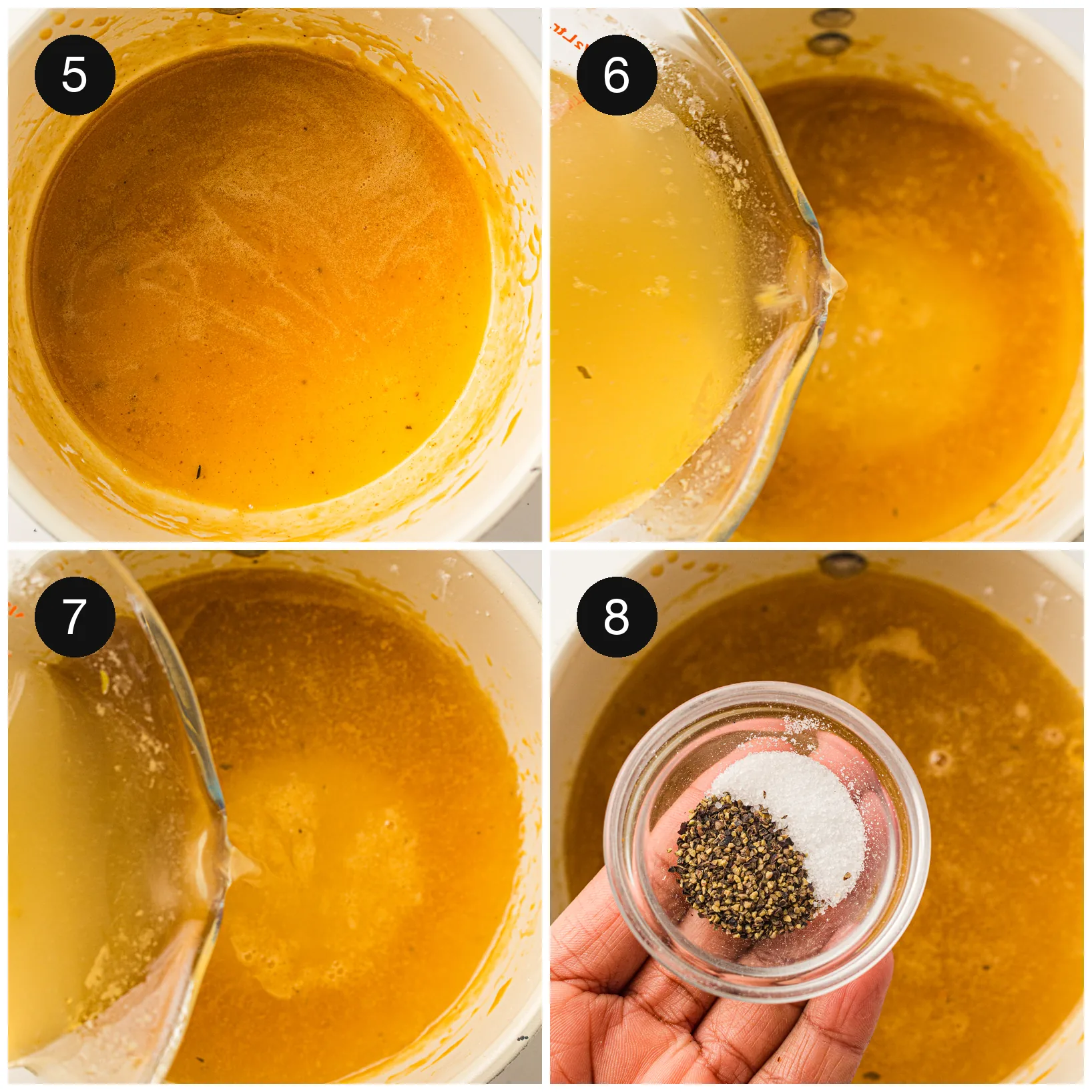
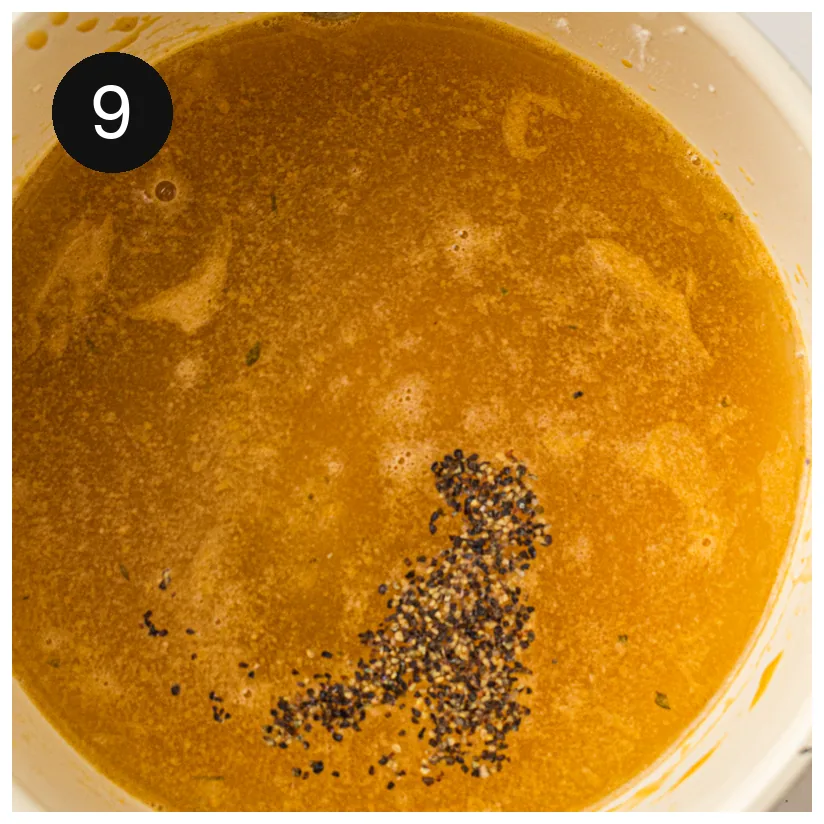
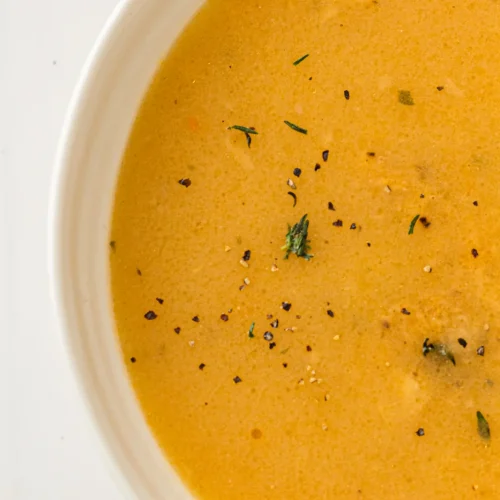
5. Simmer to thicken. Let it bubble gently for 5 to 8 minutes, whisking now and then, until it coats the back of a spoon.
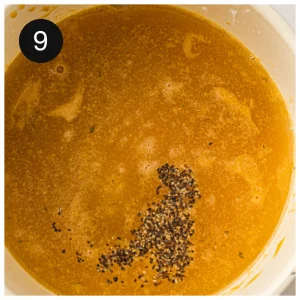
6. Season last. Finally taste it, then add salt and plenty of black pepper. Pour it into a warmed jug so it does not skin over on the way to the table.
How To Fix Lumpy, Thin or Thick Gravy
- Lumpy. Whisk hard first. If lumps remain, pour it through a sieve or give it ten seconds with a stick blender.
- Too thin. Simmer it for another 5 minutes, or whisk a teaspoon of flour into a tablespoon of cold water and stir that in.
- Too thick. Add warm stock a splash at a time until it flows the way you want.
- Greasy. Too much fat went in for the flour you used. Skim the surface, or whisk in a little more flour paste.
- Bland. Usually salt, sometimes acid. A few drops of vinegar or lemon juice wake the whole pan up.
Tips for the Best Turkey Gravy
- Warm the stock before it goes in. Cold liquid hitting a hot roux is the main reason turkey gravy goes lumpy.
- Use a flat whisk if you have one. It reaches into the corners of the pan where flour hides.
- Simmer the giblets and neck in the stock for half an hour while the bird roasts. Discard the liver, which is too strong.
- Keep it warm in a low pan with a lid rather than reheating it later, and stir once or twice.
- Make double. Nobody in the history of Thanksgiving has complained about too much gravy.
Storage and Reheating
- Fridge. Cool it quickly and keep it sealed for up to 4 days. Cold turkey gravy sets almost solid, which is completely normal.
- Reheating. Warm gently on the hob, whisking, and loosen with a splash of stock as it comes back to life.
- Freezer. Up to 3 months in a sealed tub. Thaw overnight in the fridge before reheating.
- Food safety. Get leftovers into the fridge within two hours, following the Academy of Nutrition and Dietetics guidance on leftovers.
Variations and Substitutions
- Giblet gravy. Simmer, chop and stir the giblets in at the end for a chunkier, old fashioned version.
- Gluten free. Use a gluten free flour blend, or make a cornflour slurry and skip the roux entirely.
- White wine. Splash a quarter cup into the pan after the roux and let it cook off before the stock.
- Better stock. Homemade makes a real difference here, and my instant pot chicken stock takes 45 minutes from carcass to jar.
What to Serve With Turkey Gravy
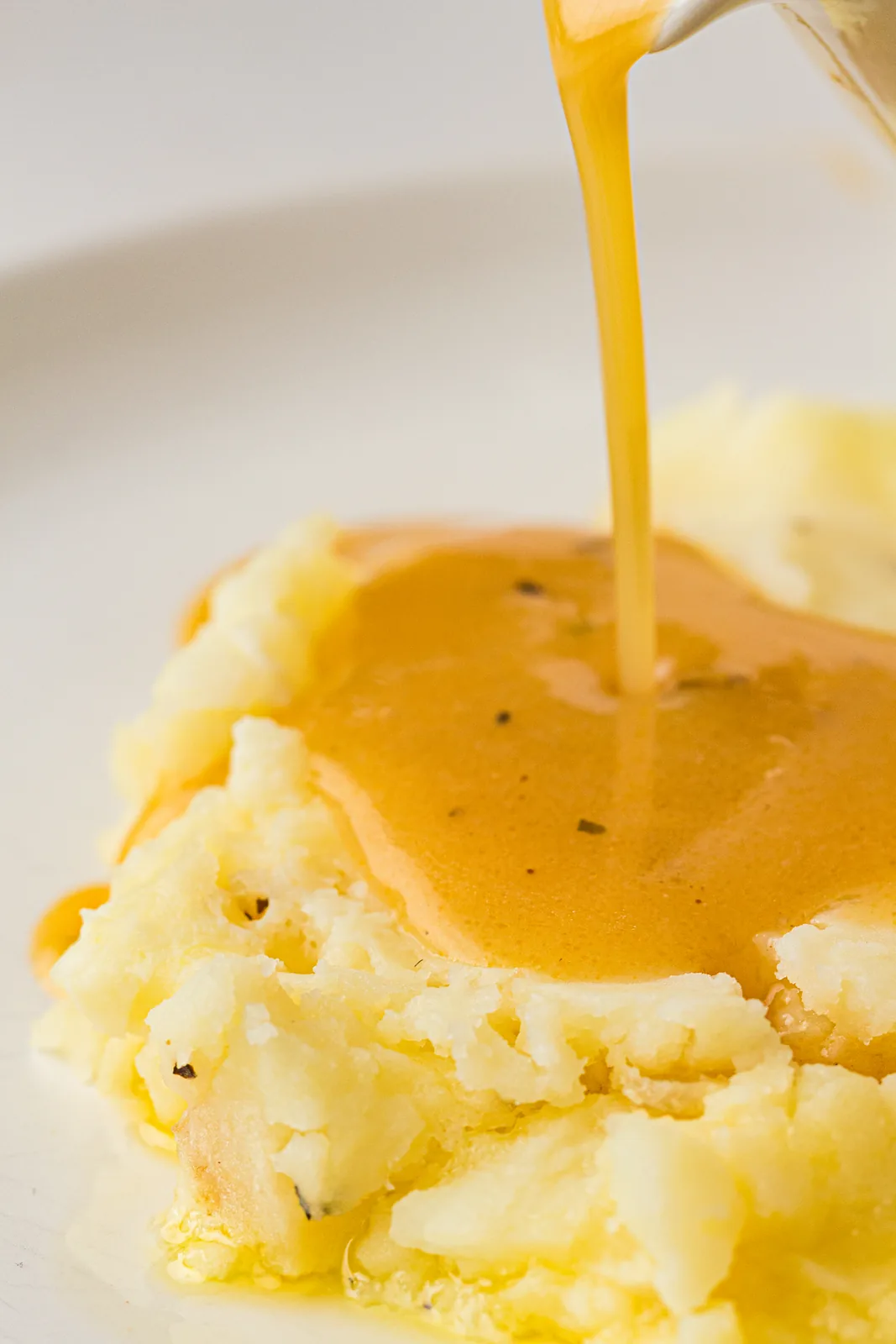
Mashed potato first, obviously. A ladle of turkey gravy over mash and a slice of roast turkey is the plate the whole day is built around.
After that, spoon it over stuffing and roasted vegetables. In addition, fresh green bean casserole and a basket of soft dinner rolls for mopping the plate finish the table properly.
Frequently Asked Questions
Method and Ratios
Can I make this without pan drippings?
Yes. Use butter in place of the fat and a well flavoured stock. A teaspoon of soy sauce at the end replaces the savoury depth the drippings would have brought.
What is the 3:2:1 rule for gravy?
You will find several versions of it online and they disagree, so I would not lean on it. What actually matters is equal volumes of fat and flour, then roughly a cup of stock for every tablespoon of flour.
Why cook the flour for a minute?
Raw flour tastes chalky. A minute in hot fat cooks that off and gives the finished sauce a rounder, nuttier flavour.
Should I use the giblets?
They add a lot if you simmer them in the stock. Leave out the liver though, since it is strong enough to take over the whole pan.
Fixing and Storing
How do I fix lumpy gravy?
Whisk vigorously first. If that fails, push it through a fine sieve or blitz it briefly with a stick blender, and it will come back smooth.
Why is mine too thin?
It needs longer at a simmer, or a little more flour. Whisk a teaspoon of flour into cold water first so it does not clump on contact.
Can I make it ahead?
Yes, up to two days. Reheat gently with a splash of stock, since it thickens considerably in the fridge.
Ingredients
- 2 tablespoons pan drippings up to 4 tablespoons of the fat from the roasting tray
- 2 tablespoons all-purpose flour
- 2 cups turkey or chicken stock warmed
- salt and black pepper to taste
Instructions
- Spoon 2 to 4 tablespoons of pan drippings into a saucepan over medium heat.

- Whisk in the flour and cook for 1 minute, stirring constantly, to form a roux.
- Gradually whisk in the warm stock, a splash at a time, until the mixture is completely smooth.
- Simmer until thickened enough to coat the back of a spoon, about 5 to 8 minutes.
- Season with salt and black pepper to taste, then pour into a warmed jug.