 Bity
Bity
Nobody eats first. Sheet pan pancakes solve the one real problem with pancakes, which is that whoever is cooking stands at the stove flipping in threes while everyone else works through the stack, and the cook ends up eating cold ones.
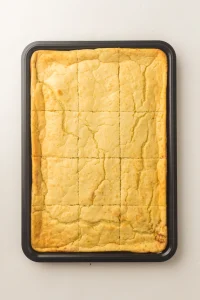
The batter is a completely ordinary buttermilk pancake batter. It just goes into a lined half sheet pan and into a hot oven, and eighteen minutes later there are fifteen squares ready at the same moment.
Quick Breakdown
Why You’ll Love These Sheet Pan Pancakes
- Everyone eats together. Twelve to fifteen squares, all done at once.
- Ten minutes of work. Two bowls, one whisk, no flipping at all.
- Toppings go on in sections. Blueberries at one end, chocolate chips at the other, plain in the middle.
- They freeze and toast. Which turns a Sunday morning into five weekday breakfasts.
- No burnt first batch. The one nobody wants and someone always has to eat.
Ingredient Notes
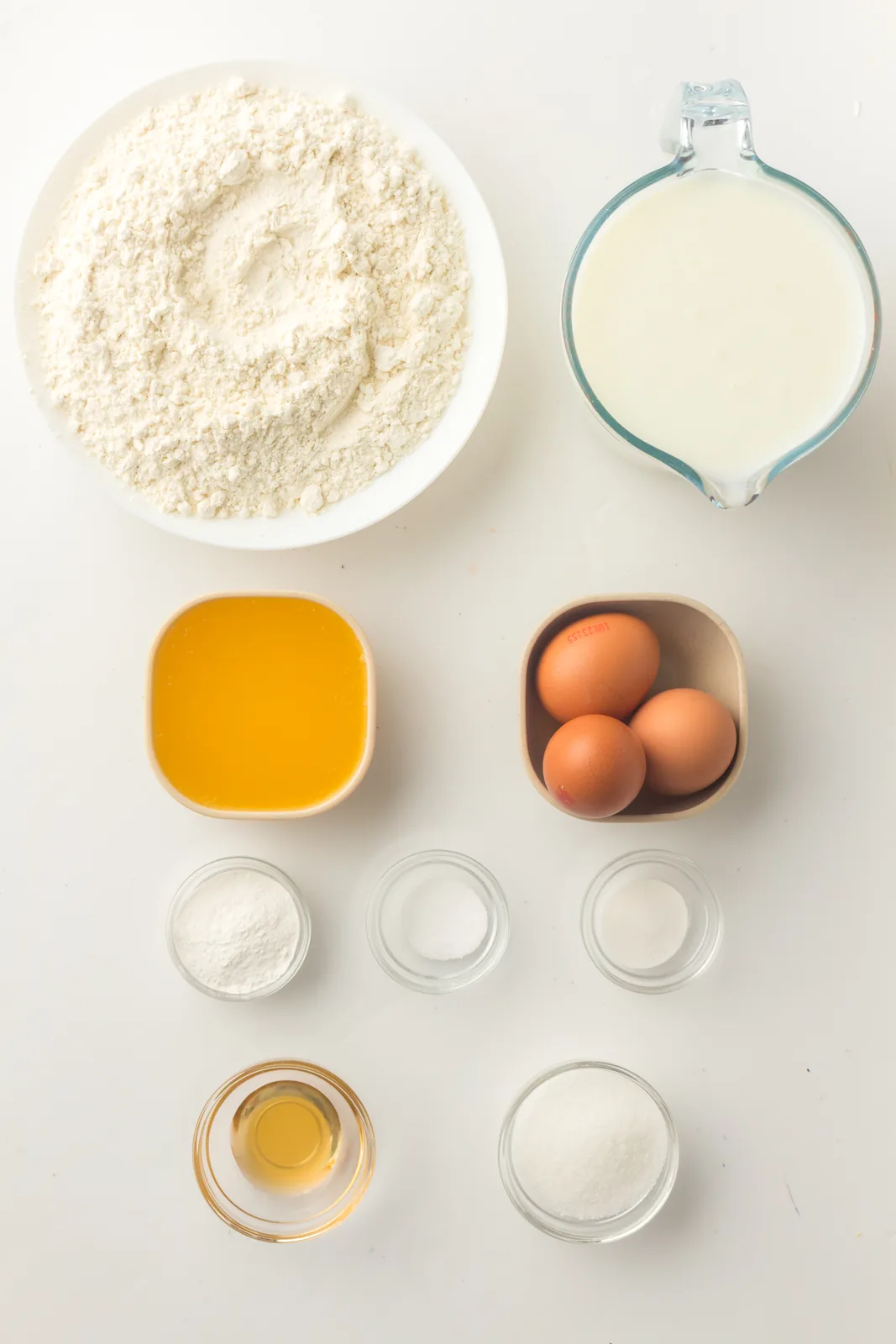
- Plain flour. Three cups. Spoon it into the cup and level it, because a packed cup can add fifty grams and dry the whole tray out.
- Buttermilk. Three cups. No buttermilk? Three cups of milk with one and a half tablespoons of lemon juice, left ten minutes, does the same job.
- Baking powder and soda. One and a half tablespoons and three quarters of a teaspoon. The soda is there to react with the buttermilk’s acid, which is what gives the lift.
- Eggs. Three large. They carry the structure that stops a shallow bake collapsing when you lift a square out.
- Melted butter. Six tablespoons, cooled slightly. Hot butter poured into cold buttermilk seizes into little lumps.
- Sugar and vanilla. Three tablespoons and one and a half teaspoons. Restrained, since the syrup is coming later.
Because breakfast is where most people’s fibre either happens or does not, this is a good place to swap in some whole grain. Harvard Health reported on a large study in which people eating the most fibre, around 29 grams a day for men and 26 for women, were 22% less likely to die from any cause over nine years.
Why Sheet Pan Pancakes Beat the Griddle
A griddle cooks from one side at a time, so every pancake needs watching, turning and judging. An oven cooks from all sides at once at a steady temperature, which removes almost every variable that makes pancakes go wrong.
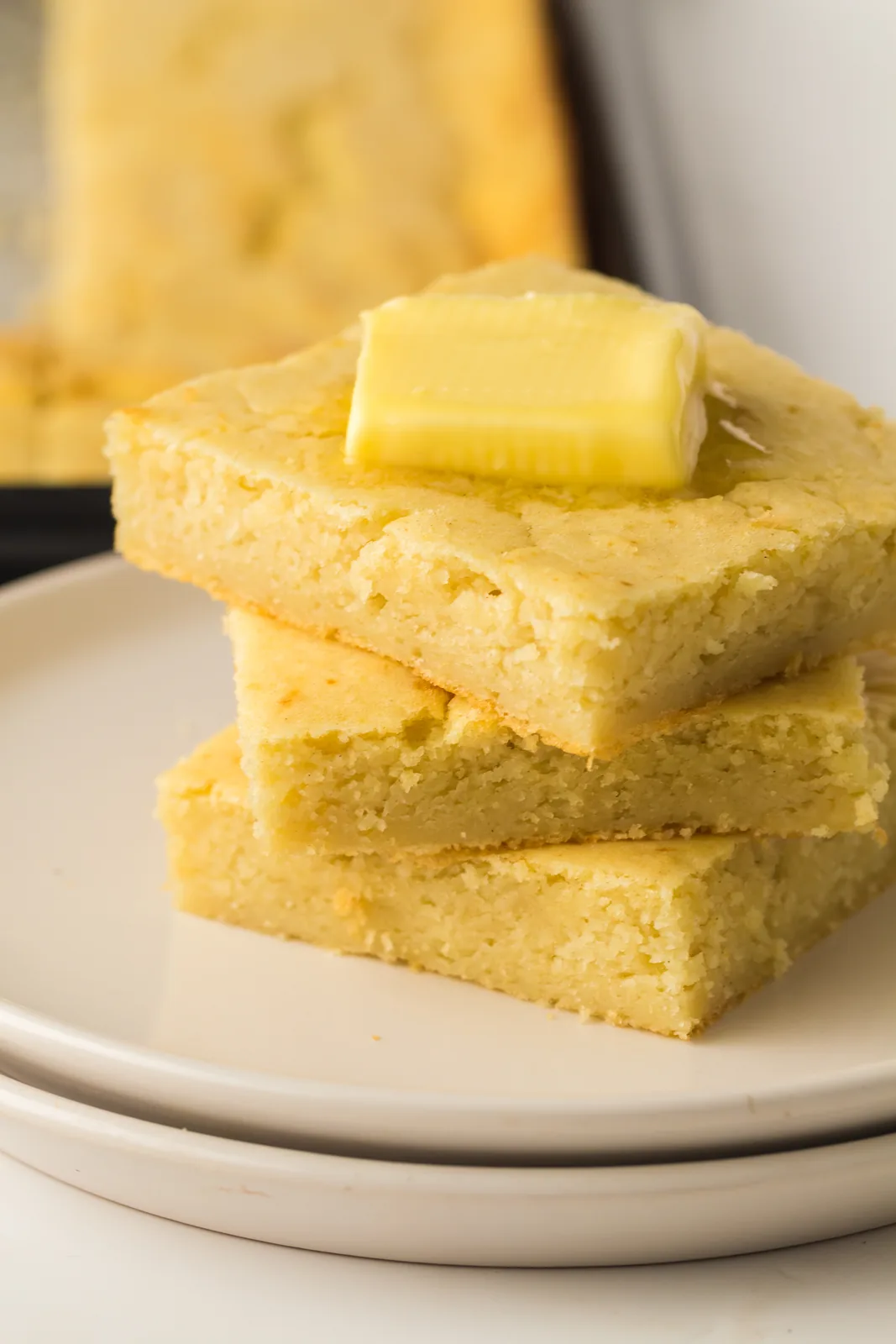
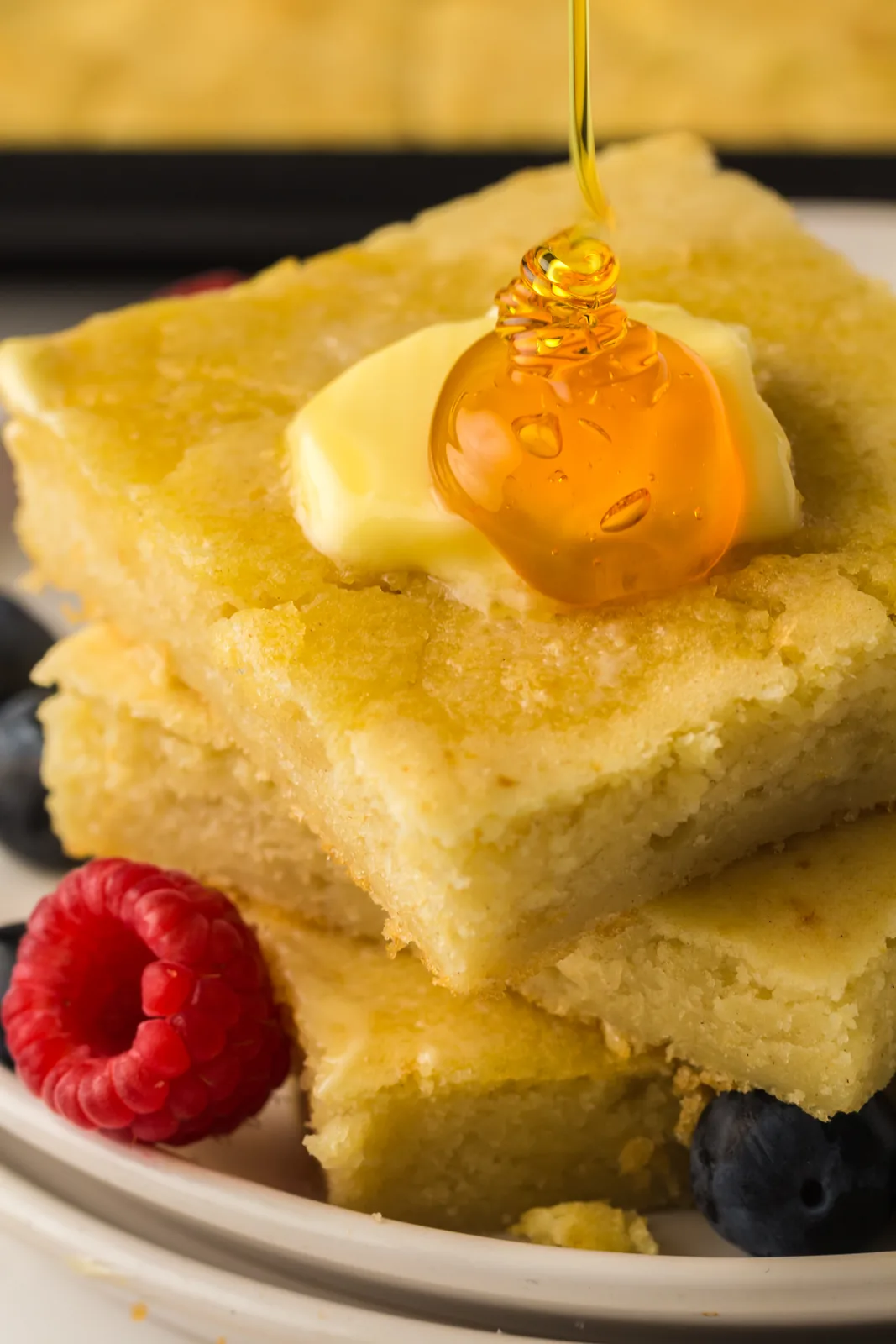
The trade off is honest. You lose the lacy browned edge that a buttered pan gives, and you gain a soft, even, slightly cakey square. In fact, most children prefer the square, because it holds butter in the middle instead of letting it run off the dome.
| Method | Hands on time | Texture |
|---|---|---|
| Griddle, in batches | 25 to 30 minutes standing | Crisp edges, soft centre |
| One sheet pan | Ten minutes, then wait | Even, soft, slightly cakey |
| Frozen and toasted | Three minutes | Crisp outside, soft inside |
There is one thing the oven does that a pan cannot, which is let you serve three different pancakes from one batch. Scatter blueberries across a third of the tray, chocolate chips across another third, and leave the last third plain. Everyone gets what they asked for, nobody has to wait for their version, and you have not cooked three separate batches to get there. That alone is why this has become the weekend default in our house.
How To Make Sheet Pan Pancakes
1. Heat the oven and line the pan. First, set the oven to 400°F. Line a half sheet pan, about 16 by 11.3 inches, with parchment and grease it lightly.
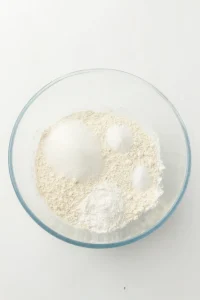
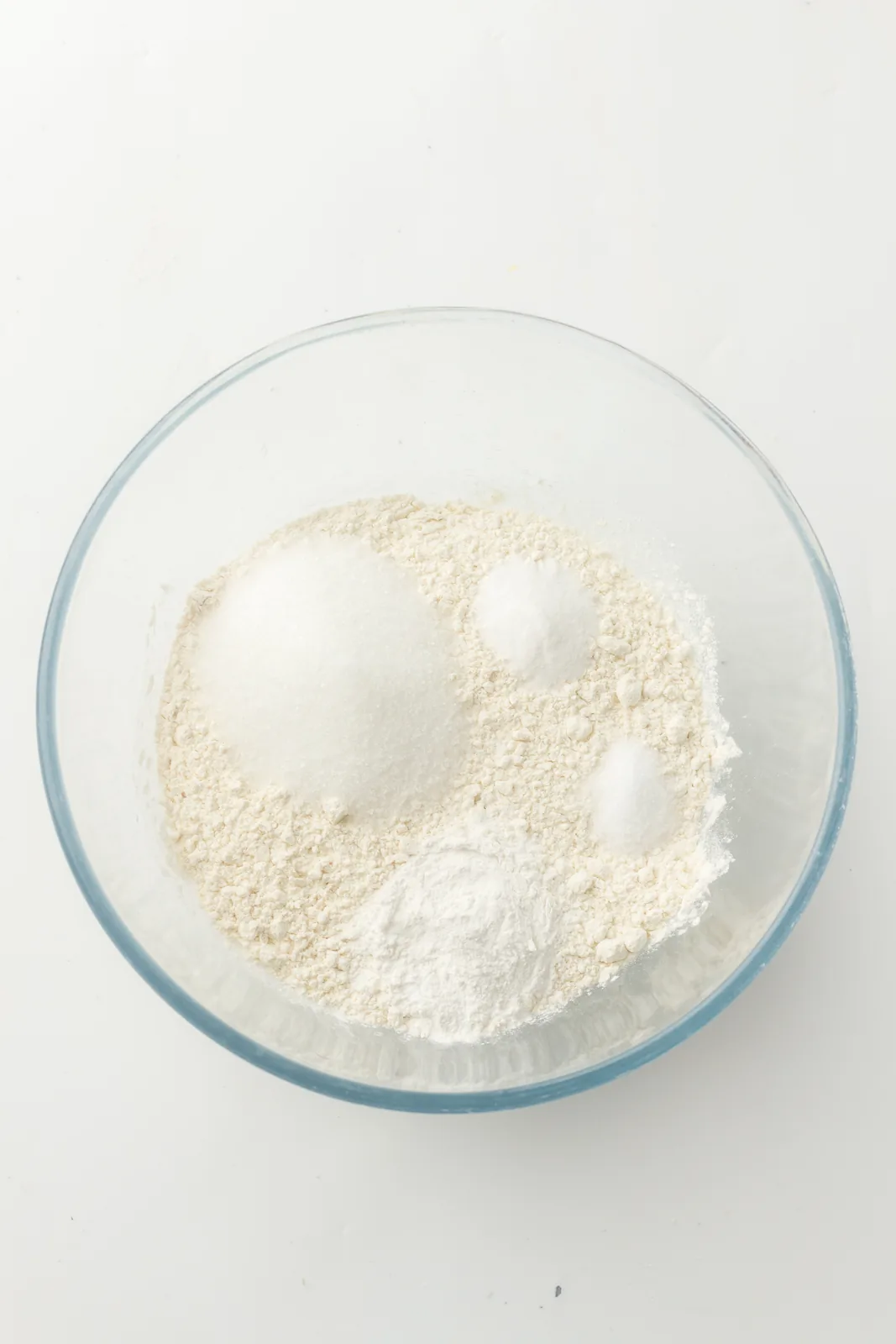
2. Whisk the dry ingredients. Next, combine the flour, sugar, baking powder, baking soda and salt in a large bowl and whisk them properly so the raising agents are evenly spread.
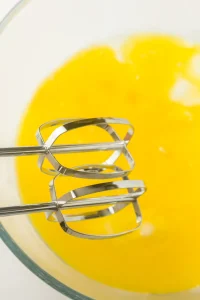
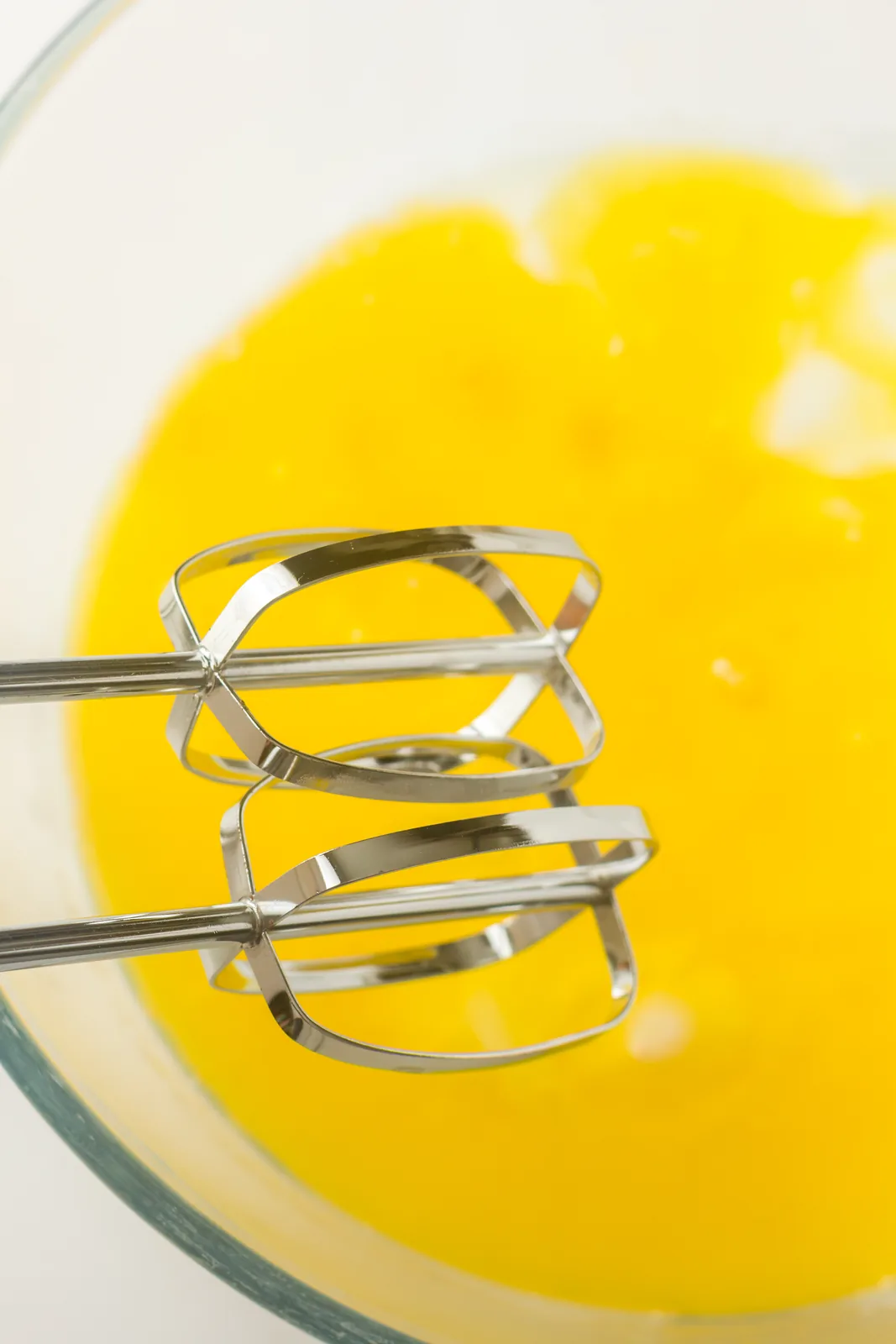
3. Whisk the wet ingredients. Then in a separate bowl beat the buttermilk, eggs, melted butter and vanilla until smooth and pale yellow.
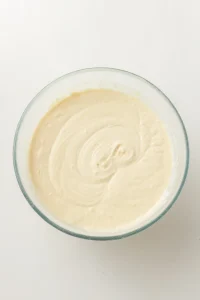
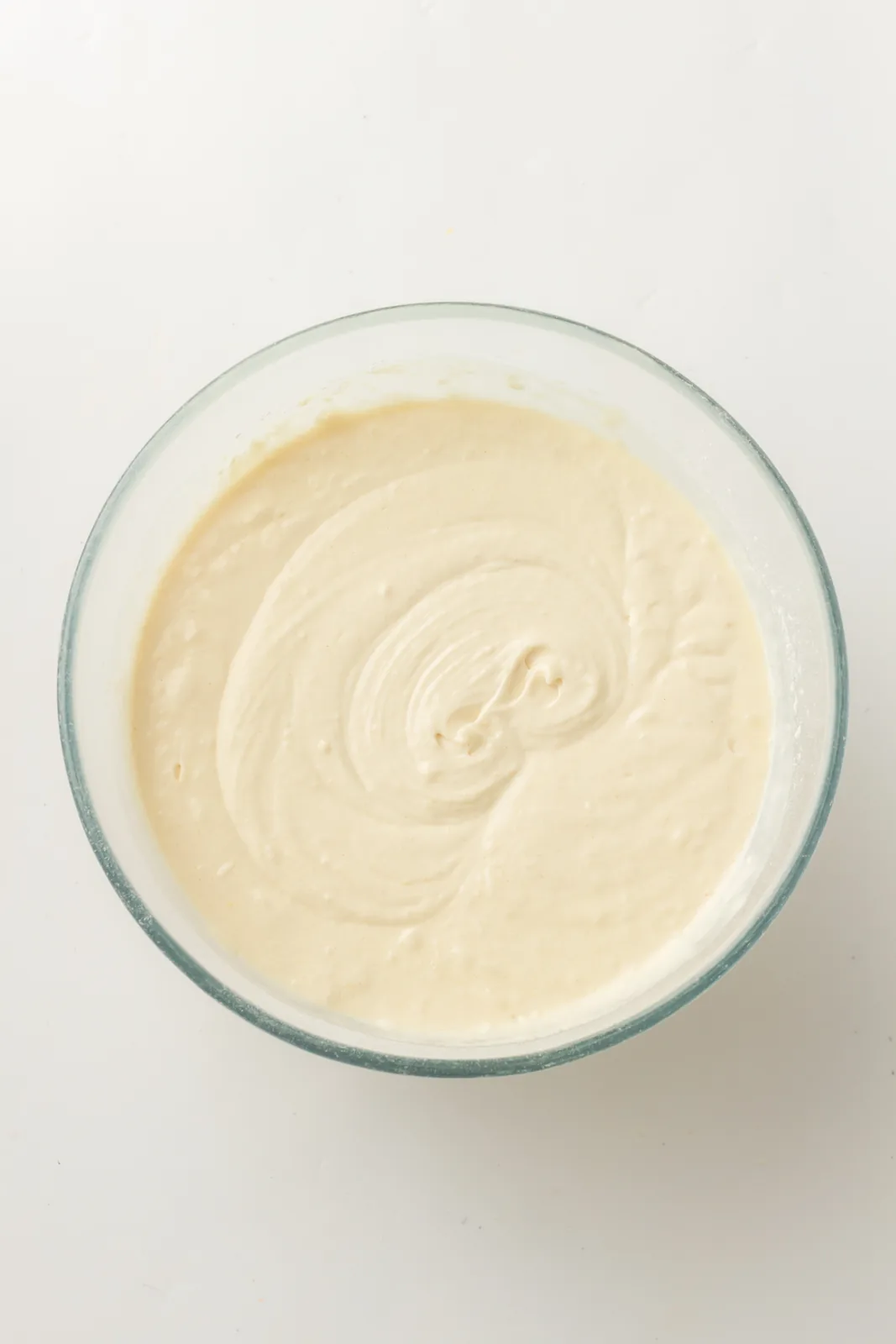
4. Combine gently. After that, pour the wet into the dry and stir only until it comes together. Lumps are fine and welcome. Overmixing is what makes them tough.
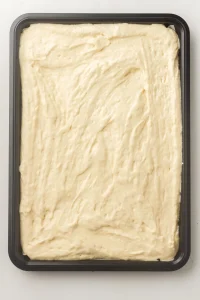
5. Spread and top. Pour the batter into the pan and spread it into the corners, then scatter over blueberries, chocolate chips or diced strawberries if you are using them.
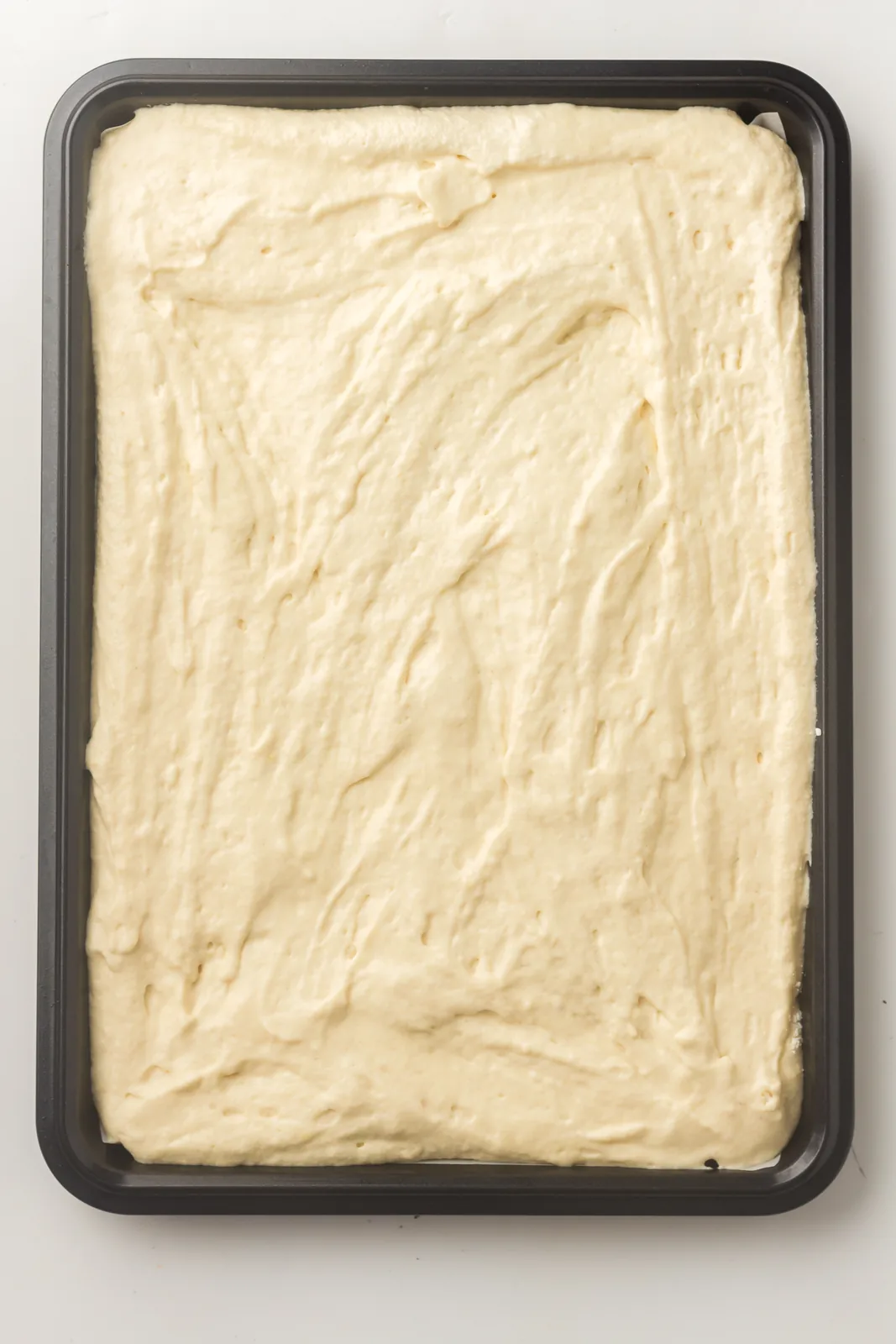
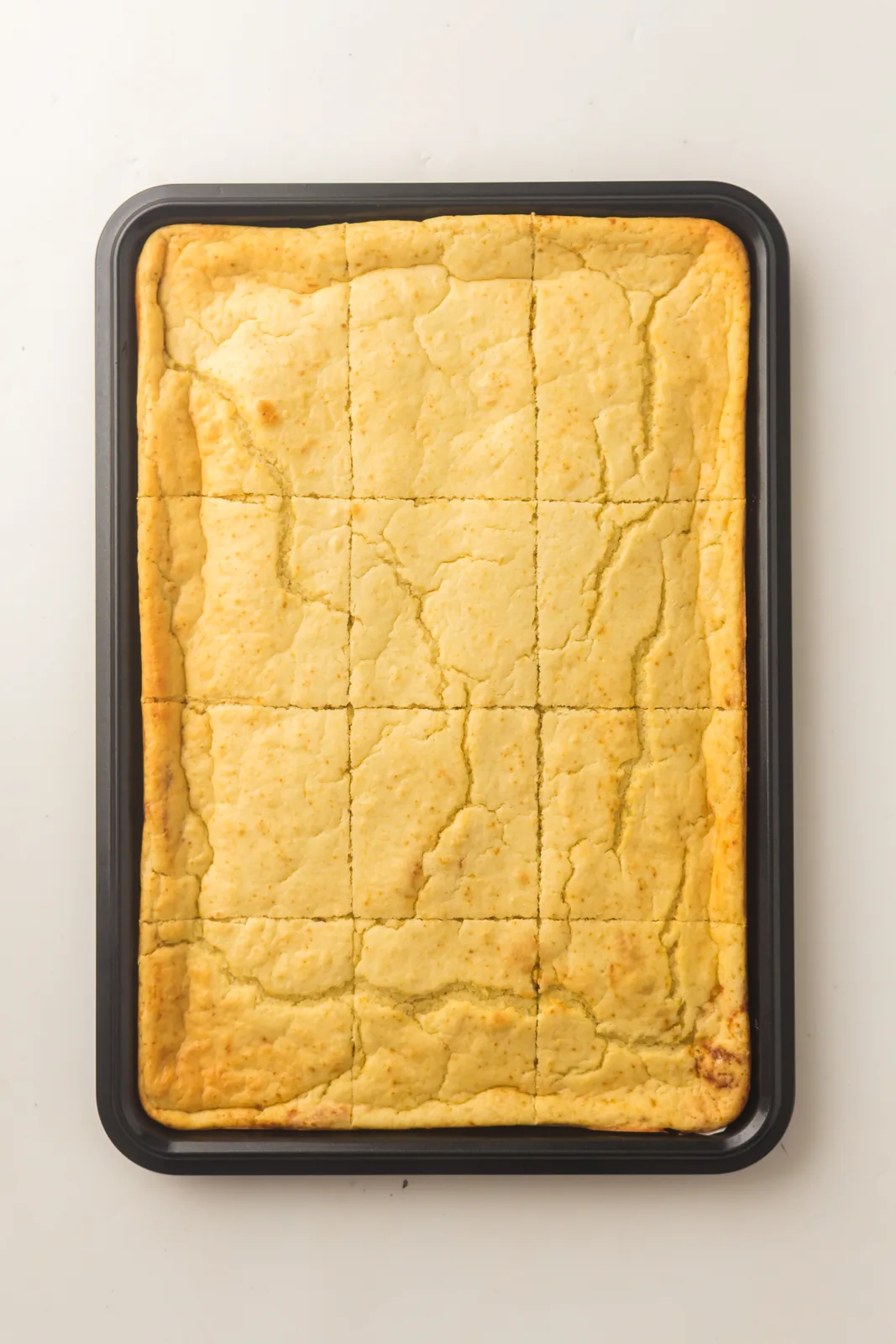
6. Bake and slice. Finally, bake for 15 to 18 minutes until golden and set in the centre, cool slightly, then cut into squares.
Biggest Mistakes to Avoid
- Beating the batter smooth. Lumps disappear in the oven. Overworked gluten does not, and it makes the squares rubbery.
- Using a rimless tray. The batter is pourable. It needs a lipped pan or it goes over the edge.
- Skipping the parchment. Even a greased pan grips, and lifting the whole slab out is half the appeal.
- Adding heavy fruit to the batter. Berries stirred through sink to the bottom. Scatter them on top instead.
- Cutting it hot. Give it five minutes. Warm batter squashes under the knife.
- Baking too long. Sheet pan pancakes go from soft to dry in about three minutes at the end.
Tips for the Best Sheet Pan Pancakes
- Let the batter sit for five minutes before it goes in the pan. The flour hydrates and the raising agents get going.
- Meanwhile, get the oven properly up to temperature. An underheated oven gives a pale, flat result.
- Divide the toppings into thirds across the pan so everyone gets the version they want.
- A pizza cutter slices the slab far more neatly than a knife.
- Push the batter right into the corners, since the middle spreads and the edges do not.
- If the top is browning before the centre sets, drop the oven by 25°F and give it three more minutes.
Storage and Reheating
- Fridge. Up to three days in an airtight container.
- Freezer. Up to two months, layered with parchment between the squares.
- Toaster. Straight from frozen, and arguably better than fresh because the outside crisps.
- Microwave. Twenty to thirty seconds for a soft, warm square.
- Lunchboxes. They travel well cold, which is not something you can say about a griddle pancake.
Variations and Substitutions
- Whole wheat. Swap half the flour for wholemeal. Heartier, more fibre, slightly denser.
- Dairy free. Plant milk with a splash of vinegar in place of buttermilk, and oil instead of butter.
- Banana. Mashed banana folded through takes it towards banana muffins in flavour.
- Savoury. Leave out the sugar, add cheese and spring onion, and serve alongside sausage hashbrown bites.
- Sandwich bites. Spread nut butter and jam between two squares for a packed lunch.
What to Serve With Them
Syrup, yogurt, peanut butter and fresh fruit are the obvious four. For a proper weekend breakfast table, put out bacon, a bowl of berries and air fryer hard boiled eggs for anyone who wants protein rather than sugar. Easy homemade biscuits cover the savoury corner of the same table, and a tray of granola bars made the day before means the leftovers become tomorrow’s breakfast too.
Frequently Asked Questions
Ingredients and Method
Can I use whole wheat flour?
Yes. Substitute half the flour with whole wheat for added fibre and a heartier texture. Going fully wholemeal works but makes them noticeably denser.
How do I make it dairy free?
Use a plant based milk with a splash of vinegar or lemon juice as a buttermilk alternative, and substitute oil for the melted butter.
What if I have no buttermilk?
Add one and a half tablespoons of lemon juice to three cups of milk and leave it for ten minutes. It curdles slightly and behaves the same way.
What size pan do I need?
A half sheet pan, about 41 by 28.8 centimetres or 16 by 11.3 inches. It has to have a rim, because the batter is pourable.
Can I halve the recipe?
Yes. Halve everything and use a quarter sheet pan or a nine by thirteen tin, keeping the oven at 400°F and checking from around twelve minutes.
Storage and Troubleshooting
Why are mine rubbery?
The batter was mixed too much. Sheet pan pancakes want a lumpy batter stirred just until it comes together, since every extra turn develops gluten.
Why did the middle stay wet?
Usually an oven that had not fully preheated, or batter spread thicker in the centre than at the edges. Spread it evenly and give the oven a proper ten minutes first.
Can I freeze them?
Yes, for up to two months. Freeze in layers separated by parchment and reheat in the toaster or a toaster oven straight from frozen.
Can I make the batter the night before?
You can, though the raising agents lose some power overnight. Better to measure the dry and wet mixtures separately and combine them in the morning.
Why did my berries sink to the bottom?
They were stirred into the batter rather than scattered on top. Fruit is heavier than a thin batter, so it drops before the structure sets. Add it once the tray is filled.
Ingredients
- 3 cups all-purpose flour
- 3 tablespoons granulated sugar
- 1 1/2 tablespoons baking powder
- 3/4 teaspoon baking soda
- 3/4 teaspoon salt
- 3 cups buttermilk or 3 cups milk plus 1 1/2 tablespoons lemon juice
- 3 large eggs
- 6 tablespoons unsalted butter melted and slightly cooled
- 1 1/2 teaspoons vanilla extract
- 3/4 cup mini chocolate chips, blueberries or diced strawberries optional
Instructions
- Preheat the oven to 400°F (200°C). Line a half sheet pan (41 x 28.8 cm) with parchment paper and grease it lightly.
- In a large bowl, whisk together the flour, sugar, baking powder, baking soda and salt.

- In a separate bowl, whisk the buttermilk, eggs, melted butter and vanilla until combined.
- Pour the wet mixture into the dry ingredients and stir gently until just combined. Do not overmix.
- Pour the batter into the prepared pan and spread it evenly into the corners. Scatter over the toppings if using, then bake for 15 to 18 minutes, until golden and set in the centre.
- Let it cool slightly before slicing into squares and serving.